Emergency Flood Preparedness Kit: What Every Home Should Have
Don't wait for rising water. Build a complete flood emergency kit today. We cover the top items needed in an emergency kit for a flood/ to keep you ready.
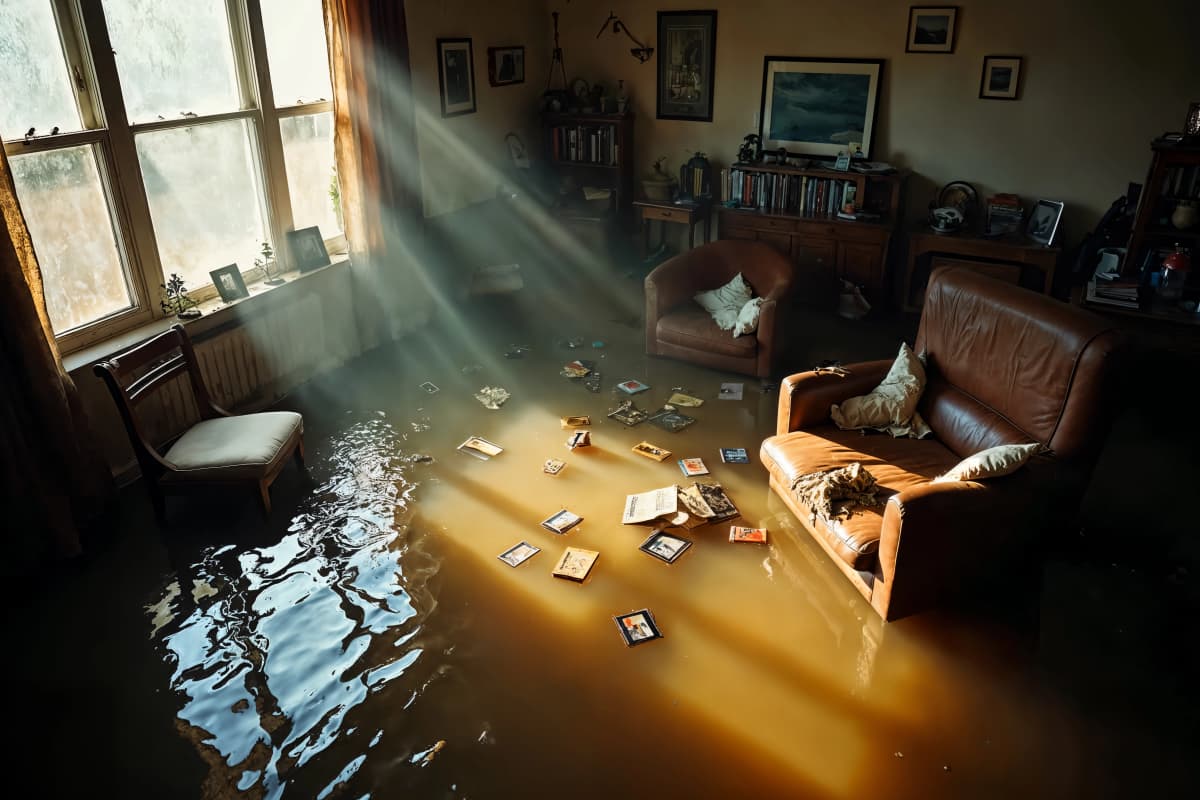
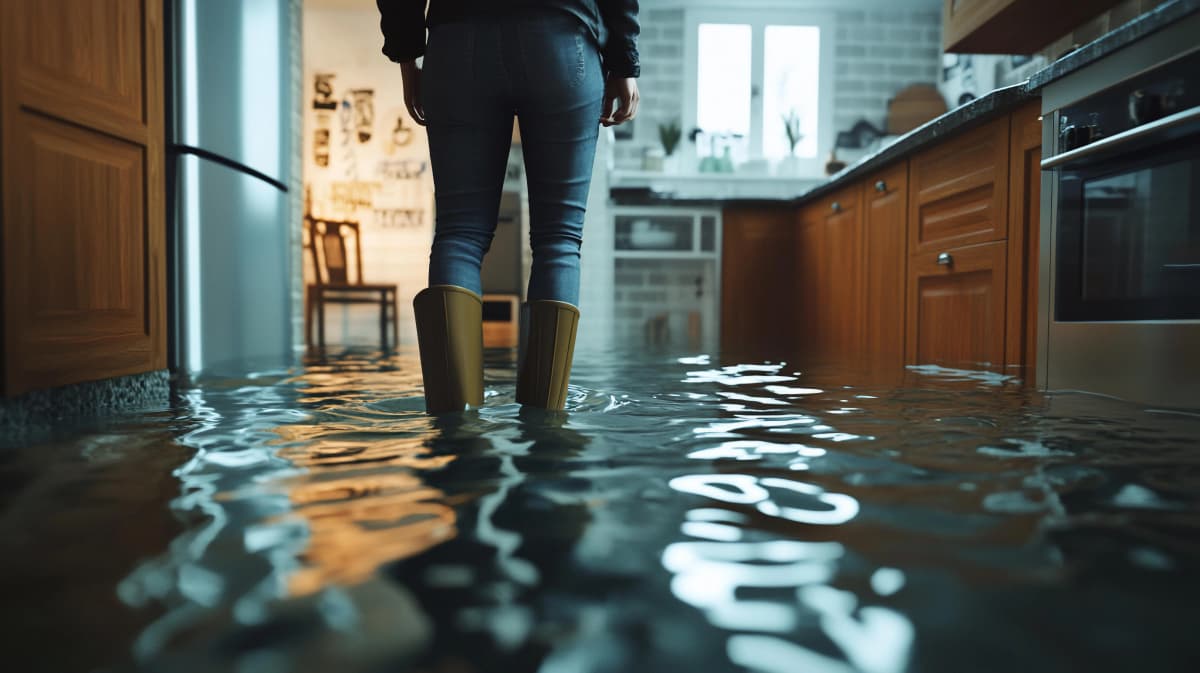
Floods don’t just happen in faraway places you see on the news, but instead occur in familiar neighborhoods, right in the middle of cities, suburbs, and small towns across the United States. In fact, floods are the most common and the most expensive natural disaster our country faces. According to FEMA, even a single inch of water inside your home can cause over $25,000 in damage. That’s not just ruined furniture, waterlogged flooring, and soggy carpets, but often means damaged electrical, plumbing and HVAC systems, warped cabinets, and weeks or months of disruption while repairs are made.
What makes floods especially dangerous is how unpredictable they can be. Sometimes the warning signs come days ahead, like a hurricane forecasted to make landfall. Other times, flash flooding strikes with little notice, turning streets into rivers in a matter of minutes. Either way, the results can be overwhelming if you’re not ready.
The good news is that you don’t have to be caught off guard. Preparing for floods means planning so you can protect your family and your property. One of the simplest and smartest steps you can take is putting together a flood emergency check list and kit. Think of it as your family’s lifeline when floodwaters rise. Being ready reduces panic, keeps people safe, and helps you act quickly when every second counts.
By the end of this guide, you’ll know exactly what belongs on a flood preparedness checklist and in an emergency kit, how to store it properly, and why being ready today makes all the difference.
Why Every Home Needs a Flood Emergency Check List and Kit
If you’ve ever been through a flood, you know how quickly everyday life can turn upside down. Grocery store shelves clear out, electricity cuts off, and even getting clean drinking water can be difficult. In these moments, a flood preparedness checklist and emergency kit can be your safety net.
An emergency check list can help you:
- Reduces Stress and Mistakes: Emergencies are stressful, leading to oversights; checklists keep you focused on critical actions, preventing panic and errors.
- Ensures Essential Supplies: They guarantee you gather necessities like water, non-perishable food, medications, hygiene items, and important documents (ID, insurance).
- Creates a Clear Plan: Checklists prompt you to create communication plans (out-of-state contacts), identify safe spots, establish meeting places, and know how to shut off utilities.
- Saves Time: Having items in a "grab-and-go" kit means you can quickly evacuate, focusing on immediate safety rather than scrambling for supplies.
- Protects Vulnerable Family Members: They remind you to include specific needs for pets, seniors, infants (diapers, formula), and others.
- Facilitates Recovery: Preparedness helps avoid catastrophic loss and makes post-disaster recovery smoother.
An emergency kit can help you:
- Evacuate more quickly without wasting time gathering supplies.
- Stay safe and have needed items if you’re stuck at home without power or clean water.
- Keep important documents safe so you can recover financially.
- Provide peace of mind for children, pets, and elderly family members who rely on you.
Families who prepare and systematically go through a checklist and have an emergency kit ready, will build resilience, ensuring your family can manage immediate needs and respond effectively. Maintaining a sense of calm when normal systems fail, turning potential chaos into controlled action.
Flood Preparedness: Essentials to Include in Emergency Kit
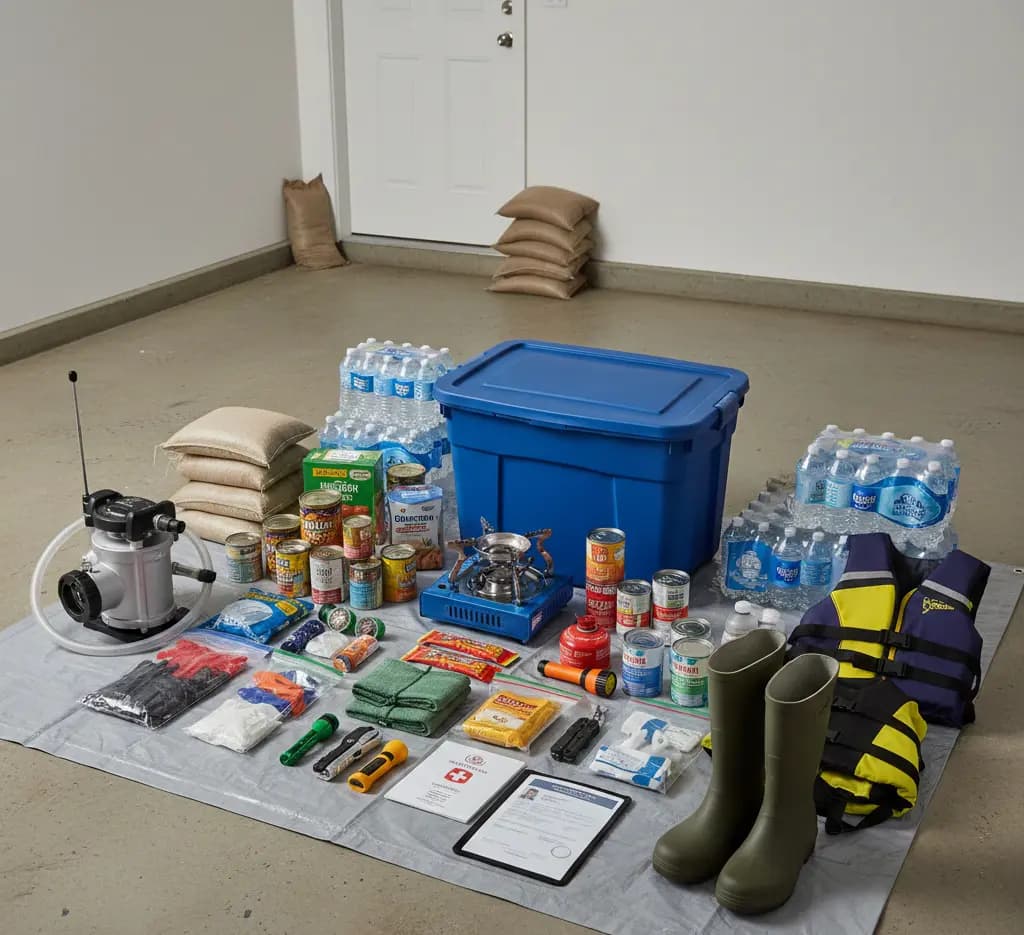
When it comes to floods, having the right supplies can make the difference between feeling helpless and staying in control. The best flood emergency kit covers the basics such as food, water, safety, and communication, while also accounting for your family’s unique needs. Let’s break it down.
Emergency Supplies
Think of this as your family’s lifeline. FEMA recommends at least one gallon of drinking water per person per day for a minimum of three days, but if you can stretch that to five days, you’ll be even better prepared. For food, focus on non-perishables that require little or no cooking: canned beans and vegetables, canned tuna and chicken, canned pasta, dried meats/jerky, granola bars, peanut butter, and dried fruit. Don’t forget a manual can opener.
Safety and Survival Gear
Floods often leave homes cold, damp, and without electricity. Packing emergency blankets, ponchos, and dust masks can make those conditions more bearable. Add flashlights, headlamps, portable radio, and plenty of spare batteries. A couple of fully charged power banks or solar chargers will keep your phones alive when the power is out. A small multipurpose tool can help with unexpected tasks, while waterproof matches or a lighter are helpful if you need heat. Often forgotten, a whistle is a simple, lightweight item that can help rescuers locate you if you’re trapped or stranded.
Documents and Financial Preparedness
Water ruins paper, and losing documents after a flood can make recovery much more complicated. Seal copies of IDs, insurance policies, medical information, and bank details in a waterproof pouch. Store both paper and digital versions.
Cash is another often-overlooked item. During flood events, ATMs may not work and card readers may be down, so some cash on hand can cover essentials like food or fuel until systems are restored.
Special Needs Items
Parents of infants should pack baby formula, bottles, diapers, and wet wipes. Pet owners need to pack items like pet food, water bowls, leashes, and carriers. Anyone with medical conditions should prepare extra prescriptions, inhalers, insulin, or hearing aid batteries. Consider what essentials you would need if you had to leave home for a week and couldn’t get to a pharmacy or store.
Building a Flood-Specific Kit vs. a General Emergency Kit
Many families already keep a general emergency kit for storms or earthquakes. But floods have unique risks. For example, storing supplies in a basement makes sense for tornadoes, but in a flood, that basement is the first area that will be impacted by flood waters.
That’s why a flood kit needs extra attention:
- Store supplies in waterproof, floatable containers.
- Add backup power options like solar chargers.
- Keep the kit in a spot that remains accessible even if lower levels of your home are flooded.
Flood Emergency Kit: Items Often Forgotten
Even the most prepared households can miss some of the little yet essential items while preparing a flood emergency kit. These things may not be so crucial in the comfort of your own home, but during an evacuation, they can make all the difference.
- Paper maps: While smartphones and GPS programs are excellent, they're not reliable when cell towers fail or batteries run out. A plain paper map of your county or city provides a way to find shelters, safe paths, or family members' residences, even without those conveniences.
- Spare keys: In emergencies, confusion is inevitable, and having only one set of house or vehicle keys to lose means added stress. Having a second set stashed in your kit saves precious minutes.
- Excess clothing and footwear: Flooding usually means wading through filthy water, mud, or wreckage. Having a dry set of clothing and a strong pair of shoes/boots may prevent injury and illness if you have to be out in the flooded area.
- Water filters or water purification tablets: Bottled water is bulky. If you are stranded for longer than anticipated, carrying light filters or purification tablets provides added protection.
Tips for Storing and Maintaining Your Flood Emergency Kit
A flood emergency kit requires regular maintenance to ensure it’s ready when you need it most. Here are some tips to ensure that yours is maintained:
- Store your kit in a waterproof backpack or heavy-duty plastic bin with a tight-fitting lid. This way, it remains dry even if water gets into your storage area.
- Don’t stash your kit in a basement or garage, where rising water could ruin it before you even get to it. Instead, keep it in a closet, on a high shelf, or upstairs where it’s easy to grab.
- Food, water, batteries, and medications all have expiration dates. Rotate supplies twice a year (maybe when you change clocks for daylight savings) so everything stays usable.
- Make sure flashlights still work, batteries aren’t corroded, and power banks are charged.
- Don’t keep the kit a secret. Everyone in your house should know where it is and what’s inside. Go over it with kids so they know what to grab if you’re not home.
Family and Community Flood Preparedness
Preparedness is strongest when it’s done as a community. Sit with your family and create an evacuation plan with defined meeting points. Write down emergency contacts and share plans with neighbors, especially those who may need extra help. A flood check list and emergency kit makes your family safer, but a connected, prepared community makes the whole neighborhood more resilient.
Quick Grab-and-Go Flood Kit (Mini Kit)
Not every flood gives you hours of warning. Sometimes you have only minutes. That’s where a grab-and-go flood kit comes in handy. This mini kit should contain essentials like IDs, cash, medications, chargers, snacks, and water bottles. Think of it as your last-second backup if you need to run out the door fast.
The complete kit is your safety net for several days. The mini kit is your lifeline when every second counts.
FAQs
1). How much water should a family store for floods?
2). Should a flood emergency kit include cash?
3). Can one emergency kit work for all disasters?
4). How often should I update my kit?
5). Where should a flood kit be kept?
Conclusion
Floods are unpredictable, but your preparation doesn’t have to be. Having a flood emergency check list to follow along with a well-stocked emergency kit gives you and your family the confidence to handle sudden evacuations, extended power outages, and days without easy access to food or water.
Your check list indicates that the best time to build your kit is before the water rises. Start small with essentials like water, food, flashlights, portable radio and batteries, and add more as needed. Over time, your kit becomes a shield against panic, uncertainty, and unnecessary risk. For more robust protection against flood damage, you also need the right flood insurance. Advantage Flood’s experts can guide you through your options, explain NFIP and private flood insurance coverage, and make sure your property is truly safeguarded.
Build your flood preparedness checklist and emergency kit today and give yourself the peace of mind that you’re ready when the next flood comes.