
Flood Insurance in Houston: Why Flood Zones in Houston TX Make It a 2026 Must-Have
Understand rcv vs acv flood insurance and how flood insurance replacement cost works so you can make smarter, clearer decisions during claims.
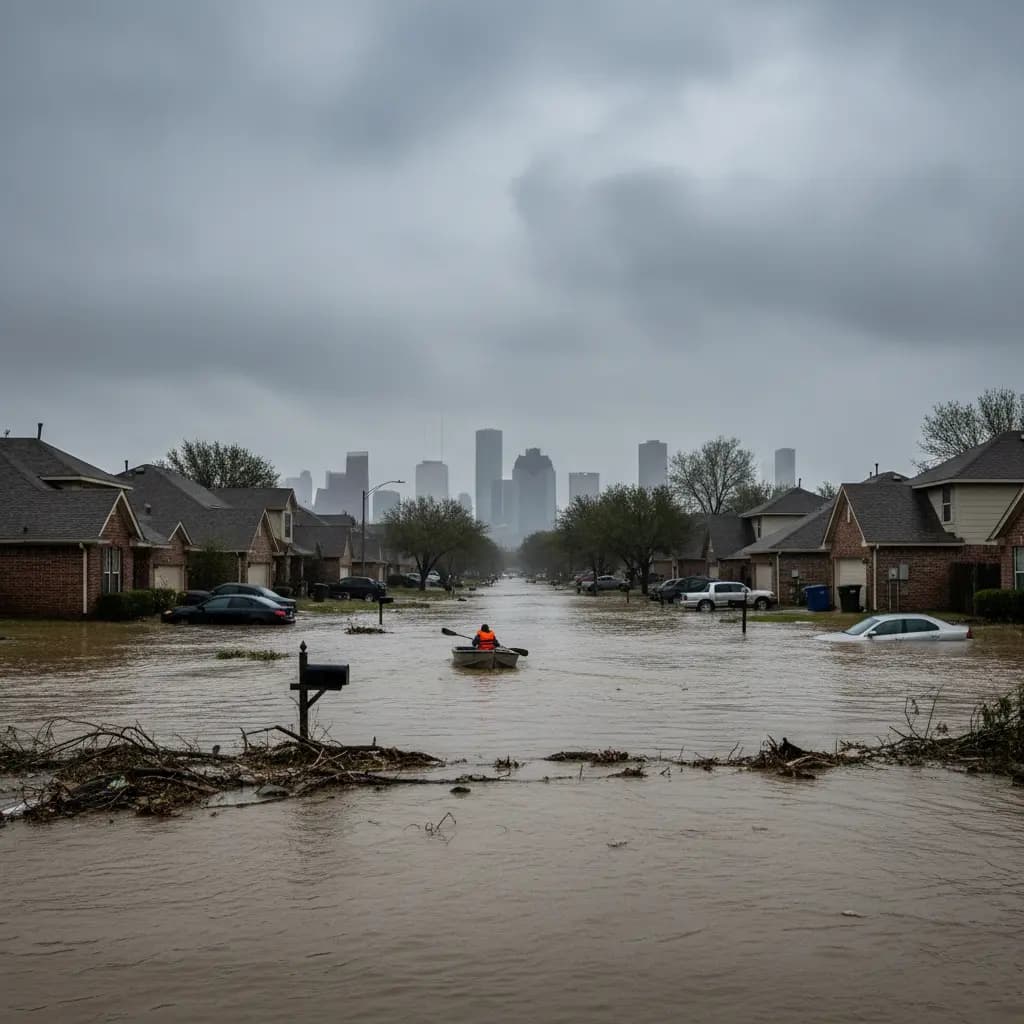
Stretching from the bayous to the Gulf Coast, Houston, Texas, has consistently ranked among the most flood-prone urban centers in theUnited States. But even with this reputation, many people assume that they're safe if their property isn’t in a high-risk zone. That's a dangerous assumption to make in 2026.
In this article, we'll talk through why understanding flood zones in Houston, TX, is essential, even if you're in an area that’s classified as low-risk. We'll also break down why flood insurance in Houston isn’t optional anymore, and how getting coverage now could save your property and provide you with peace of mind.
Introduction
If you live in Houston, chances are you’ve heard the refrain: “I’m not in a flood zone, so I don’t need flood insurance.” But what if I told you that everyone is in a flood zone and that just because you’re not in a high-risk zone doesn’t mean your property is safe from flooding?
Houston was one of the hardest-hit cities during Hurricane Harvey in 2017 . But flooding isn’t just a coastal problem anymore. Flash floods have invaded neighborhoods miles from bayous and creeks. With rising sea levels, heavier rainfall, and rapid urbanization, flood zones in Houston, TX, are shifting more rapidly than many people realize. That's why this article is a must-read now, and why flood insurance in Houston matters more than ever.
The Reality of Flooding in Houston
Houston’s flood history reads like a dramatic timeline of extreme weather events.
- Hurricane Harvey (2017): Accumulated over 50 inches of rain in some parts of Harris County, causing catastrophic damage
- Memorial Day floods (2015): Over 11 inches of rainfall in a single evening.
- July 2018 storms: Parts of the city received as much as 8 inches of rain in a few hours
- Winter freeze in 2021: powerful runoff swamped homes
According to FEMA, flood damage claims in Texas rank among the highest of any state, no surprise for a city that continues to develop despite frequent floods. Since 2017, maps have been updated; however, flood zones continue to expand due to climate change, the increased prevalence of impervious surfaces, and shifting drainage patterns.
Add in soaring development and paved over green spaces, and you get accelerated runoff—water that drains into surrounding neighborhoods rather than absorbing into the ground. Post-Harvey adjustments and ongoing heavy rainfall underscore the importance of understanding flood zones in Houston, TX, particularly for those considering flood insurance in the area.
Understanding Flood Zones in Houston, TX
The Federal Emergency Management Agency (FEMA) uses a system of flood zones to signal risk. In Houston, these zones are relevant for insurance, mortgages, and emergency planning.
Here’s a quick breakdown of key zones in Houston:
- Zone A (A, AE, AH, AO, A1–A30): High-risk flood areas with 1% annual flood chance, often near bayous, creeks, and rivers
- Zone VE/V (V, VE): High-risk coastal zones prone to storm surge
- Zone X (shaded B, C, X): Lower-risk areas with reduced risk
- Zone D: Flood risk undetermined due to insufficient data
Surprisingly, Zone X covers many Houston suburbs. People living there assume safety, until heavy rain or an unexpected storm reveals otherwise. According to FEMA, approximately 40% of flood claims occur in these lower-risk zones.
How can you check your zone?
- Visit FEMA’s Map Service Center - FEMA Flood Map Service Center | Search By Address
- Enter your Houston address
- View the flood map overlays online or download PDFs
- Check for changes if your property falls into newly reclassified zones
FEMA provides mobile-friendly flood map tools, and some jurisdictions in Houston offer their own GIS flood mapping. Understanding flood zones in Houston, TX, empowers you to make more informed insurance decisions, and that awareness is the first step toward comprehensive protection.
Why You Need Flood Insurance in Houston, Even in Low-Risk Zones
Breaking it down simply: many insurance policies won’t help once water enters your home. After Hurricane Harvey, thousands in Zone X found out the hard way.
Typical homeowners insurance policies do not cover flooding. And when water floods from storms, runoff, or broken drainage systems, you’re on your own, unless you have flood insurance in Houston.
Consider the hypothetical example of Mr. and Mrs. Rodriguez, who live in a Zone X suburb. Their home was raised, with proper drainage, and they believed they were safe. Still, when a sudden storm rolled in, floods overwhelmed their street, entered their home, ruining floors, cabinets, and appliances. Without flood insurance to cover repairs, reconstruction and personal property loss, they paid tens of thousands of dollars out of pocket.
On the other hand, their neighbors who had purchased flood insurance in Houston before the storm had peace of mind. They didn’t put home repairs on hold, and they didn’t fall behind financially.
Flood premiums in Houston typically reflect local risk. In low-risk zones, flood insurance in Houston can cost as little as $400–600 per year for structure-only coverage. Considering the average cost of flood damage in Houston runs into the tens of thousands of dollars, this is a small price to pay for protection.
As we move towards 2026, we are likely to understand just how much storm surges from the hurricane season (June–November), rapid rainfall, and shifting soil saturation patterns will redefine old assumptions. If you’re in Zone X or elsewhere, the ever-changing nature of flood risk means a simple, affordable insurance policy can mean the difference between manageable inconvenience and financial disaster.
What Does Flood Insurance in Houston Cover?
Flood insurance provides comprehensive protection that exceeds the coverage offered by standard property policies.
Here’s what flood insurance typically covers in Houston:
1. Structure Coverage
- Building at described location
- Plumbing fixtures, light fixtures, carpet permanently installed over unfinished flooring, HVAC systems, furnaces/radiators, hot water heaters, elevator equipment, fire sprinkler systems, permanently installed cupboards/bookcases/cabinets/ paneling/ wallpaper/wall mirrors, etc.
- Appliances like ranges/cooking stoves/ovens, built-in dishwashers, refrigerators, built-in microwave ovens, garbage disposal units
- Detached structures like garages (subject to limits)
2. Contents Coverage
- Furniture, electronics, clothing
- Portable air conditioners, carpets not permanently installed over finished flooring/carpets install over finished flooring, clothes washers and dryers, food freezers and food in any freezer, portable appliances (microwave ovens and dishwashers)
- Basement-specific coverage for portable air conditioning units, clothes washers and dryers, food freezers and food in any freezer.
3. Optional Add-Ons (only with private insurers):
- Enhanced basement coverage
- Replacement cost for contents
- Additional Living Expense Coverage
- Increased limits for valuable items
If you opt for the NFIP, you can receive coverage limits up to the NFIP maximums for the structure and contents. Private providers may offer more flexibility in coverage amounts and optional coverages, and though they’re not always the default choice in Houston, they’re worth evaluating, based on your home’s profile and coverage needs.
How to Get the Right Policy
Here’s your safety checklist for shopping for flood insurance this year:
- Decide between NFIP and private coverage. Both offer robust protection; choose based on your affordability and coverage options.
- Use your FEMA map knowledge to assess your flood zone exposure.
- Compare multiple quotes from competitive providers, including NFIP and private options.
- Opt for both structure and content coverage to guard everything of value in your home.
- Explore available discounts:
- CRS discounts through your county or municipality
- Elevation credits with a FEMA Elevation Certificate
- Elevation credits with a FEMA Elevation Certificate
- Consider private flood add-ons such as replacement cost contents coverage, enhanced basement protection, and Additional Living Expense (Loss of Use) coverage to round out your flood protection.
Documentation matters. If your policy promises replacement cost, gather receipts, installation records, and photos to support future claims.
FAQs
1). Is all of Houston considered a flood zone?
2). What are the main flood zones in Houston, TX?
3). What is the difference between Zone AE and Zone X in Houston?
4). How do I determine my flood zone if I live in Houston?
5). Do I need flood insurance if I’m in a Zone X area in Houston?
6). Why are flood zones in Houston, TX, being redrawn or updated?
Conclusion + Call to Action
Flooding isn’t just a problem for coastal or bayou-facing homes; it’s a statewide risk. As Houston continues to grow and the weather becomes increasingly unpredictable, understanding flood zones in Houston, TX, and investing in flood insurance are wise choices.
If you’re in a low-risk zone, you won’t be burdened by premiums, and NFIP and private flood policies are exceptionally affordable. But even high-risk zones have coverage options with private insurers offer flexibility and broader limits.
Don’t wait until the next storm hits. Secure your property, protect your financial investment, and gain peace of mind. Get your free flood insurance quote today and stay one step ahead of the flood.