Renting in a Flood Zone? Here's What You Need to Know
Renting in a flood zone? Discover why flood insurance for tenants is vital. Learn if renters need flood insurance to protect personal property from damage.

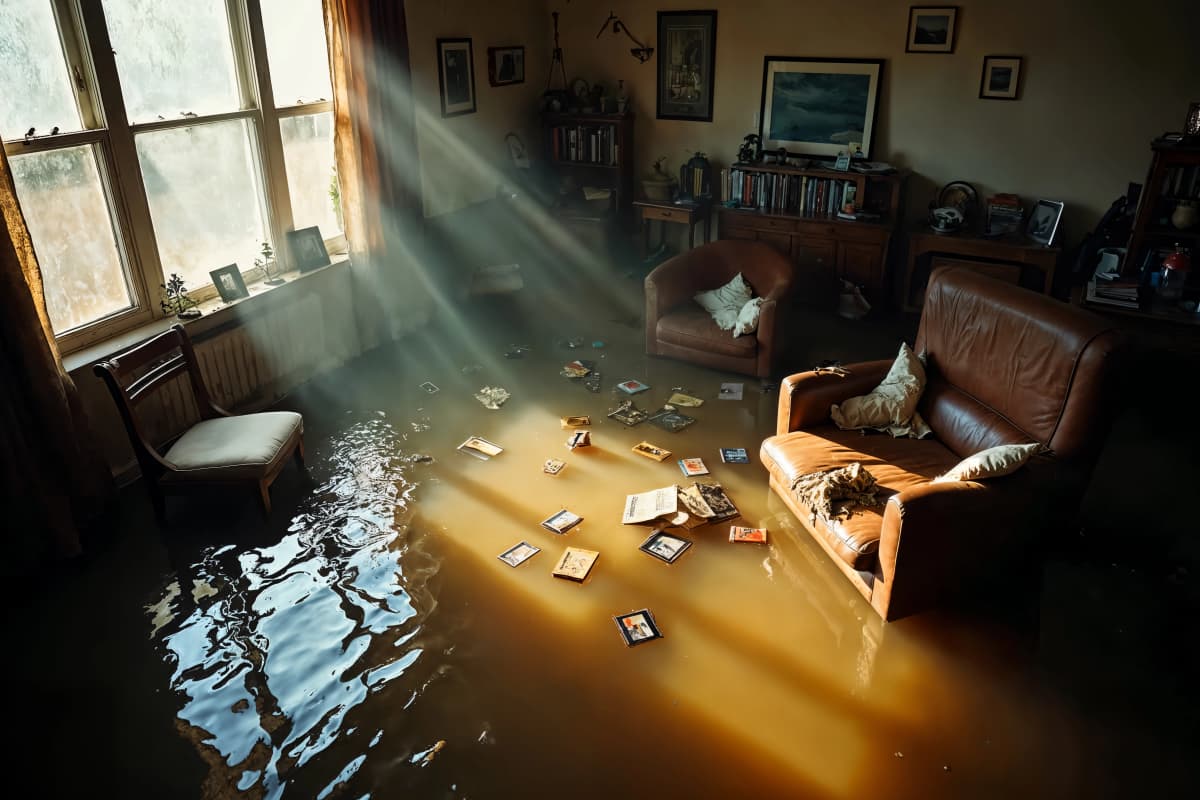
The most frequent and expensive natural disaster in the United States is flooding. According to FEMA, only one inch of water can result in over $25,000 in damage. And yet, millions of Americans reside or rent in flood zones without even knowing the danger. For renters, though, the confusion is often greater: Who is liable if a flood destroys the building? Does the landlord's insurance cover your things? And most importantly, do renters need flood insurance?
If you rent in a flood zone, and every property is in a flood zone, you need to know these things to protect yourself financially and avoid losing everything. Let’s break it down.
What Is a Flood Zone?
A flood zone is a geographical area that FEMA has determined to have some degree of flood risk. These areas are delineated on Flood Insurance Rate Maps (FIRMs) and are applied by communities, lenders, and insurers to decide building codes, insurance requirements and premium cost.
- High-risk areas: These are Zone AE, A, AH, AO, and coastal VE. These areas have a 1% or greater chance of flooding annually (also referred to as a "100-year floodplain").
- Moderate to low-risk areas: These are Zone X or shadowed areas. Although the threat is not as significant, it still should not be overlooked because around 30% of all NFIP claims are made in these moderate to low-risk areas.
Before signing a lease, renters should always check the property’s flood zone status using the FEMA Map Service Center (FEMA Flood Map Service Center | Search By Address) or ask their landlord directly.
Risks of Renting in a High-Risk Flood Zone
Leasing in a high-risk flood zone has risks that most tenants do not consider until it's too late. Some of the most significant concerns include:
- Damage to personal belongings: When floodwaters enter, they can inflict damage rapidly. In just a few minutes, you can lose furniture, electronics, clothes, and things that mean a lot to you. The biggest surprise for most renters? Your landlord’s insurance only covers the structure of the building, and not your belongings. Without your own flood insurance policy, replacing everything comes straight out of your pocket.
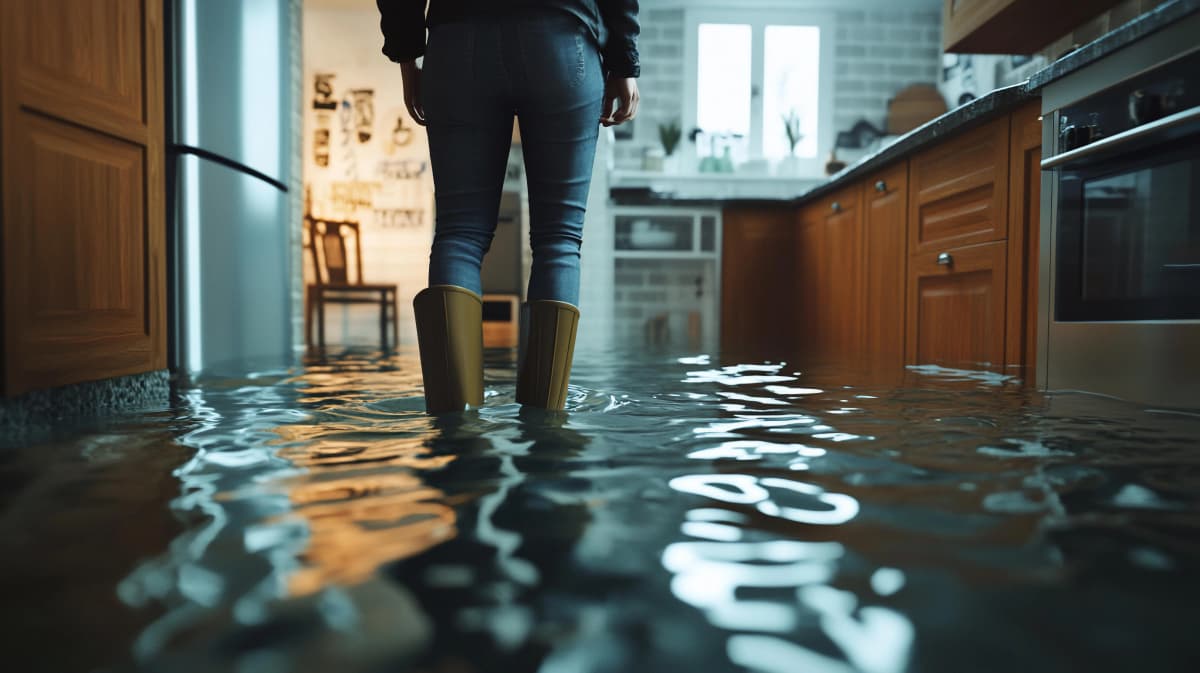
- Displacement and repair time: It can take weeks or even months to fix apartments or rental homes once they've been flooded. During that time, you may be forced to find temporary housing such as hotels, short-term rentals, or stay with family. Unless you have a policy that helps cover these extra costs, that’s another significant financial burden you’ll need to shoulder on your own.
- Financial loss without coverage: It’s easy to assume your standard renters insurance policy has you covered, but most renters policies exclude flood damage. That means if a hurricane, storm surge, or heavy rainfall floods your unit, you could lose everything with no compensation. Many tenants only learn this after a disaster, which makes flood insurance one of the smartest (yet most overlooked) protections renters can have.
Do Renters Need Flood Insurance?
Renters are not legally required to buy flood insurance (not even if you’re renting in a high-risk flood zone). But here’s the catch: just because it’s not mandatory doesn’t mean it isn’t a wise move.
Think about it this way. Your landlord’s flood insurance (if they even have it) only protects their investment, which is the building itself. That means things like the walls, the foundation, the plumbing, the electrical systems, and the roof. However, it does absolutely nothing for your stuff inside. Your furniture, your TV, your laptop, your clothes, even your fridge or washer/dryer, if you own them, is your responsibility. If a flood destroys your belongings, you’re on your own unless you have a flood insurance policy.
According to FEMA, less than 4% of renters in the U.S. actually have flood insurance. That means millions of tenants, with thousands of dollars each in belongings, live with no safety net if the water rises. Imagine losing everything in your apartment overnight, and then realizing there’s no payout coming to help you replace it. That’s the reality for most renters after a flood.
So, do you need flood insurance? Legally, no. But practically? If you live near a river, lake, coast, or even in an area that’s had severe rainstorms and flash floods before, then yes, you’ll probably want it. Think of it less like extra insurance and more like a low-cost way to buy peace of mind. For just a couple of hundred dollars a year, you can avoid the nightmare of starting over from scratch.
What Does Flood Insurance for Tenants Cover?
For tenants, flood insurance is offered as a contents-only policy under the National Flood Insurance Program (NFIP) or by private flood insurance providers. Coverage generally includes:
- Household furnishings & furniture (beds, sofas, tables, appliances)
- Electronics (TVs, laptops, gaming consoles)
- Appliances (owned by the tenant)
- Clothing and personal property
However, a few items are not covered, such as:
- Vehicles (have to be covered separately with auto insurance)
- Outdoor furniture (grills, hot tubs)
- Cash and precious metals
- Temporary housing expenses (some private flood insurance providers offer this coverage as an option)
How to Get Flood Insurance as a Renter
Getting flood insurance as a tenant is straightforward:
- Check eligibility: Almost all rental properties in NFIP-participating communities are eligible.
- Choose coverage limits: Most renters, depending on their personal belongings, select from $20,000 up to the $100,000 maximum coverage limit.
- Apply through NFIP or a private flood provider: NFIP and private flood policies are sold by local insurance agents. Private flood providers may offer additional options like temporary living expense coverage.
- Budget the cost: Policies average $150–$500 per year, depending on flood risk, coverage amount, unit location, and building characteristics.
Tenant vs. Landlord Responsibilities
One of the more confusing facets of renting is determining what is a tenant's responsibility and what is a landlord's responsibility.
- Landlord's role: Insuring building structure (roof, walls, electricity, plumbing).
- Tenant's role: Insuring personal property within the unit.
- Temporary housing: Unless specified in the lease, tenants are usually responsible for their own relocation expenses after a flood.
This makes it critical to review your lease agreement carefully and consider adding renters' flood insurance to fill the gap.
Tips for Renters
If you’re thinking about renting in a high-risk flood zone, don’t panic; plenty of people do it safely. The key is being proactive. Here are some smart, real-world steps to protect yourself before and after you sign that lease:
- Ask about flood history: This one’s simple but powerful. Before you sign, straight-up ask your landlord: Has this property ever flooded? You’d be surprised how often renters skip this question. Also, ask if the building itself carries flood insurance. Even though that doesn’t cover your belongings, it gives you an idea of whether the landlord takes the risk seriously.
- Double-check FEMA maps: Head to the FEMA Flood Map Service Center (it’s free) and type in the address (FEMA Flood Map Service Center | Search By Address). You’ll see whether the unit is in a high-risk zone (like AE or VE) or a moderate to low-risk area. Knowing the flood zone can help you decide how urgent it is to buy flood insurance.
- Bundle insurance for savings: Flood insurance doesn’t have to break the bank. In fact, some insurers will knock down your costs if you bundle flood insurance with your regular renters insurance.
- Have an emergency plan: This is the step that most people neglect until it's too late. Have a plan ready to go: know your route out of there, stash your most important documents (passport, lease agreement, insurance policy) in a waterproof folder, elevate your contents to limit flood damage, and have a go-bag prepared in case you have to evacuate suddenly. It's also a good idea to discuss with your landlord or roommates how you'll get in touch in the event of flooding.
Bottom line? Renting in a high-risk flood zone isn’t necessarily a dealbreaker, but it does mean you need to go in with your eyes wide open. With a bit of planning and the right coverage, you can protect yourself from nasty surprises down the road.
Case Examples
- Case 1: No Coverage, Total Loss A tenant in Florida lost over $30,000 in belongings during Hurricane Helene. Their landlord’s insurance rebuilt the unit, but the tenant received no compensation for the personal property they had to replace.
- Case 2: Flood Insurance Saved the Day A Florida renter with a contents-only NFIP policy received nearly $25,000 to replace furniture, clothes, and electronics after Hurricane Helene flooded their apartment, which allowed them to replace the damaged property without massive debt quickly.
FAQs
1). Is flood insurance offered by landlords?
2). How do I determine what flood zone I’m in?
3). Is renters' flood insurance the same as renters' insurance?
4). Can I buy flood insurance after I move in?
Conclusion
Renting in a moderate to low-risk or high-risk flood zone does require extra awareness and preparation. Floods can strike suddenly and leave renters with devastating financial losses if they’re uninsured. Since a landlord’s policy won’t cover your belongings, a contents-only flood insurance policy for tenants is one of the smartest investments you can make.
For less than $500 a year, and often as little as $150 a year, you can protect yourself from losing everything in a single flood event. If you’re a renter, don’t wait until the waters rise. Secure your coverage today.