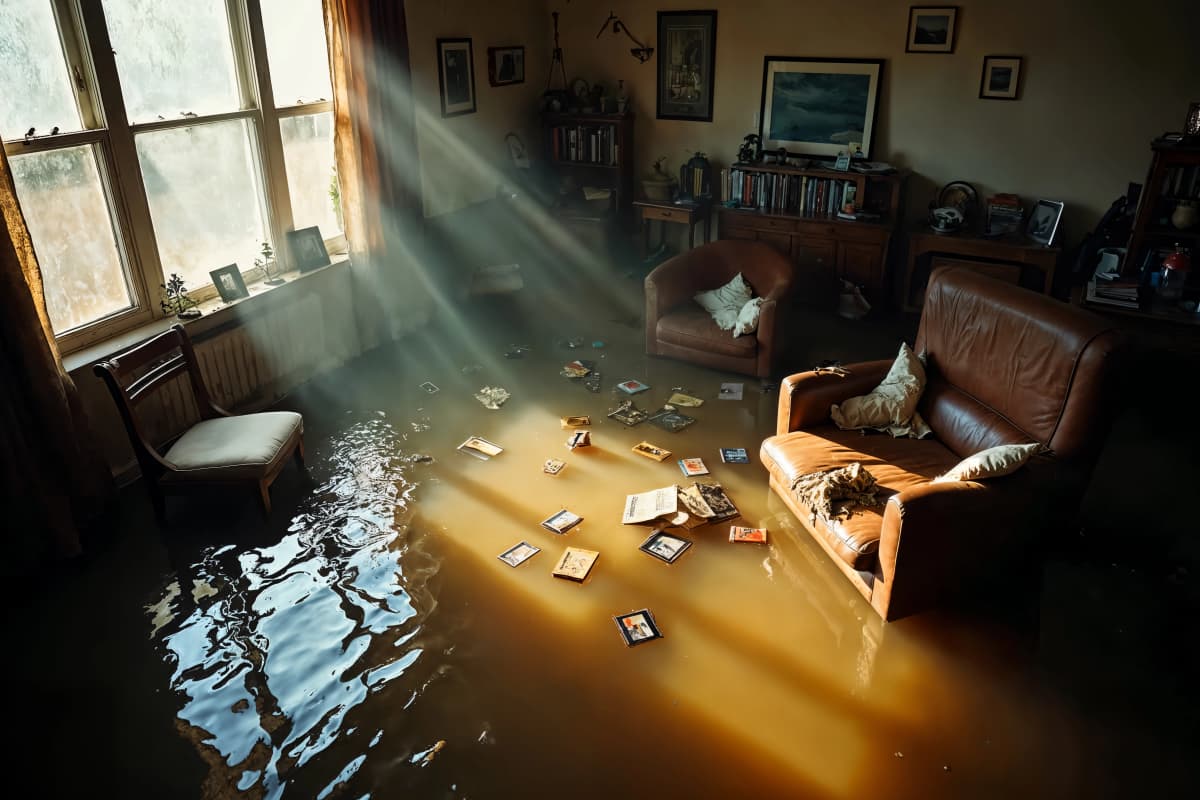
What is Flash Flooding? Flash Flood Causes, Risks, and How to Stay Safe
Learn what is flash flooding, why flash floods occur, and key flash flood causes. Understand major risks and how to stay safe during sudden flood events.
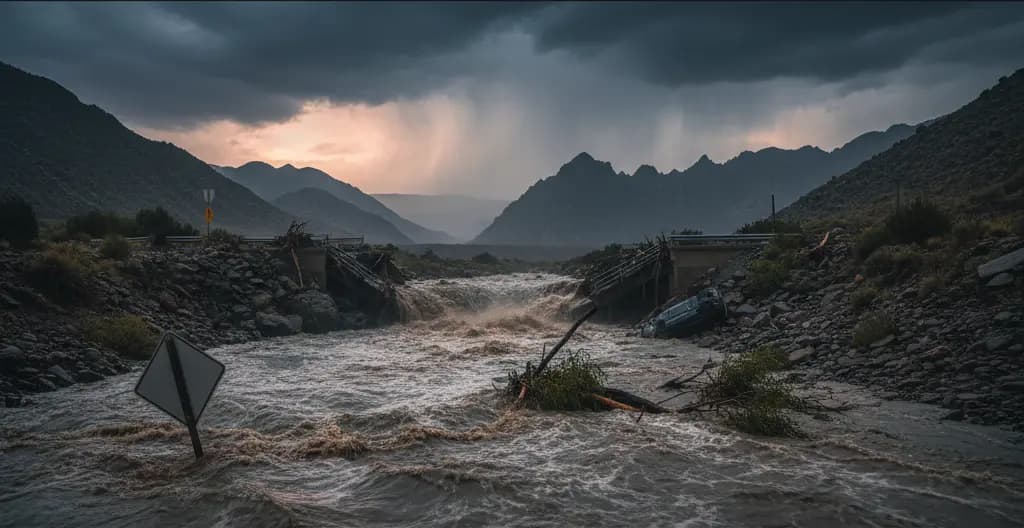
Flash floods are sudden, intense surges of water triggered by heavy rainfall, dam or levee failures, or rapid snowmelt. Unlike traditional flooding, which can build slowly over time, flash floods strike fast and without warning, often leaving little time to react or evacuate.
One moment, it’s drizzling. Next, your street is under water. Your neighborhood is inundated, vehicles are swept away, and power is knocked out in a matter of hours. That’s the destructive power of a flash flood. In 2024, the National Weather Service issued over 90 flash flood emergencies, which is the highest number of such emergencies in a single year since 2003.
In this guide, we’ll help you understand everything you need to know to stay safe, including:
- A clear explanation of flash floodings
- The most common causes of flash floods
- Why they’re among the deadliest natural disasters
- How to identify your level of flash flood risk
- Practical safety tips for before, during, and after a flood
- Why having flood insurance is a crucial part of your protection plan
Let’s break down each of these key areas so you can prepare, respond, and protect what matters most when minutes make the difference.
What is Flash Flooding?
A flash flood is a sudden and violent surge of water, usually produced by heavy rainfall or a failure in water-control systems. These floods can form in minutes to a few hours, making them incredibly unexpected and quick. The differences between flash floods when compared to regular floods are:
| Feature | Flash Floods | Regular Floods |
|---|---|---|
| Onset Time | Minutes to a few hours | Hours to days |
| Common Locations | Urban areas, deserts, and mountains | River valleys, basins, and coastal plains |
| Typical Causes | Intense rain, structural failures | Long-term rainfall or snowmelt over days |
| Warning Time | Often, little or no warning | Usually, hours to days advance notice |
| Primary Risk | Rapid, powerful water surge | Gradual water rise in rivers and reservoirs |
These distinctions highlight why flash flooding is so dangerous. Its speed and force can catch you off guard, causing large-scale damage in a matter of minutes.
Causes of Flash Floods
Understanding the causes of flash floods allows you to better predict risks and plan for them. Here is a detailed look at some of the causes of flash floods:
- Heavy rainfall: When storms unleash torrential downpours, particularly after the earth has been saturated, runoff overwhelms drainage systems, resulting in fast-moving water channels that cause flash flooding.
- Rapid snowmelt: A sudden rise in temperature or warm rain can rapidly melt snowpack, spilling massive amounts of cold water into rivers and streams. This overflow can exceed natural waterways, resulting in flash floods.
- Dam or levee failure: Dam breaches or levee overtopping can cause enormous amounts of water to flow downstream. This structural failure causes some of the deadliest flash floods, leaving little time to warn people.
- Urbanization: Cities laden with concrete and asphalt substantially reduce natural ground absorption. Rainwater funnels into storm drains at high speed, making urban center streets vulnerable to flash floods even in light storms.
- Wildfires and Scorched Terrain: Burned soil becomes "hydrophobic," repelling water instead of absorbing it. Rainfall over recently burned landscapes can generate explosive runoff and debris-laden flash floods, even with minimal rain.
Why Are Flash Floods So Dangerous?
Flash floods are deceptively lethal. Their destructive power stems from these key threats:
- Rapid onset: Floodwaters can rise 1–2 feet in minutes, giving little time for reaction.
- Powerful currents: Just a few inches of floodwater can knock a person off their feet; two feet of water can sweep vehicles away.
- Limited warning: Weather systems often develop too swiftly for early alerts, leaving people trapped.
- Infrastructure damage: Critical services such as roads, power, and sewage can fail instantly, complicating emergency response.
- High fatality rate: n the U.S., flash floods currently kill more people annually than hurricanes.
Real-Life Case Study
In early July 2025, significant rain fell across Central Texas, causing multiple flash floods. The Guadalupe River rose roughly 26 feet in a mere 45 minutes. Floodwaters raged across the region, sweeping through homes, tearing through property lines, and leaving behind ruin. Tragically, more than 130 people died, including 25 young girls that were attending a summer camp program.
Flash Flood Risk Factors
Households near water may worry more, but flash floods can strike unexpectedly across a range of locations. Risk factors include:
- Low-lying terrain: Valleys, basements, and underpasses fill quickly.
- Proximity to creek beds or channels: Dry or seasonal waterways are channels for water flow.
- Poor drainage systems: Old or clogged urban drains may lead to street floods.
- Rapid urban expansion: Growing suburbs often outpace infrastructure upgrades.
- Climate change: More intense storms mean faster water volume accumulation.
- Limited warning systems: Rural areas may not receive alerts on time.
How to Stay Safe from Flash Flooding
Before a Flash Flood
- Monitor the weather. You can use NOAA apps or local alert systems for notices.
- Build an emergency kit. Include a flashlight, water, food, medications, radios, and chargers.
- Move electronics and documents to waterproof containers off the ground.
- Identify multiple high-ground escape paths for your family and pets.
During a Flash Flood
- Move uphill immediately, and avoid low-lying areas or basements.
- Don’t drive or walk through floodwater. Even shallow water can be unpredictable.
- Avoid downed power lines and open drains. Water conducts electricity and can be dangerous.
- Continue listening to weather and emergency broadcasts for information.
- Be prompt in evacuating
After a Flash Flood
- Wait for the official "all clear" before returning.
- Document damage with photos and videos.
- Inspect structural damage and utilities. Check wiring, gas lines, and hotspots.
- Follow local guidance to boil or filter water before drinking.
- Discard contaminated food, as anything touched by floodwater should be considered unsafe.
- Clean thoroughly, ventilate, and dry impacted areas quickly to address mold. Clear gutters, drains, and repair minor damage before mold sets in.
Why Flood Insurance Matters
Many homeowners don’t realize that flash floods are not covered by standard homeowners’ or renters' insurance. And yet, fast-moving water can cause massive damage in minutes.
- Flash floods can destroy structures and personal possessions in moments.
- Even one inch of floodwater can lead to over $25,000 in damages, which is a cost many can't absorb out-of-pocket.
- FEMA aid is limited, requires a Presidential disaster, and often comes as repayable loans with caps, insufficient for full recovery.
The Value of Flood Insurance
By investing in flood insurance, you unlock:
- Coverage for your structure and contents impacted by flooding
- Claim payouts without waiting for federal aid
- Optional living expense reimbursement if your home becomes uninhabitable (private flood only)
- Peace of mind knowing you're financially protected
Advantage Flood specializes in flood policies that protect you from flash flooding and are personalized for your location. Get covered today and reduce your financial risk before the next storm.
FAQs
1). What is flash flooding, and how does it vary from normal floods?
2). What are the main causes of flash floods?
3). Why are flash floods so dangerous?
4). Can there be flash floods in urban area
5). How can I plan for a flash flood in advance?
6). Is flood coverage for flash floods included in homeowners' insurance?
7). What should I do if I am caught in a flash flood?
8). How long does a flash flood last?
Conclusion
Flash floods are rapid, furious, and increasingly widespread, particularly in cities and vulnerable areas. Knowing what flash flooding is, identifying flash flood causes, analyzing your personal risk, planning wisely, and investing in flood insurance are your greatest defenses.
Don't wait until floodwaters reach your door; take action immediately. Contact Advantage Flood and get a quote for flood insurance and establish a strong safety plan against natural disasters. Stay vigilant. Stay prepared. Stay safe with Advantage Flood.