Building in a Floodplain: Is It Safe?
Learn the risks of building on a floodplain, how flood insurance can protect your property, and tips to stay safe from potential flood damage.
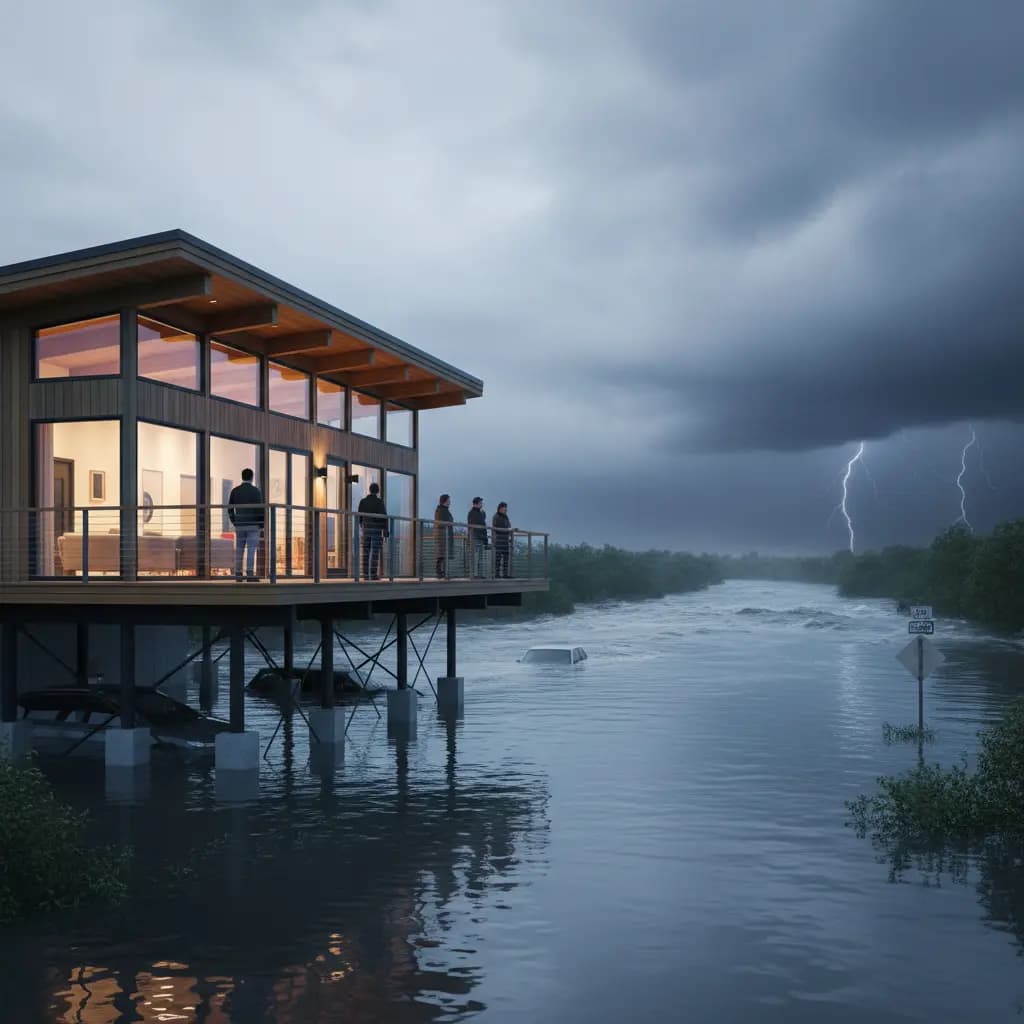
Living on the waterfront has long been the dream. Homes along rivers, lakes, and coastlines are often surrounded by beautiful scenery and fertile soil, and frequently come with a higher market value. But with these benefits comes a greater risk. Floodplains, which are the low-lying areas near bodies of water, are at particular risk of flooding.
For buyers, homeowners, and builders, then, a key question is: Is building in a floodplain safe?
Building in a floodplain can be safe, but it is also accompanied by strict building codes, regulatory hurdles, financial implications, and insurance requirements that should never be overlooked. Read on to explore the risks of building in a floodplain and the essential role of flood insurance in protecting these properties.
What Is a Floodplain?
Even before we get to whether it's safe to build in a floodplain, let's first talk about what a floodplain is. A floodplain is land that is next to a river, lake, stream, or coastal area and has the potential to experience flooding. Flood Insurance Rate Maps (FIRMs) from the Federal Emergency Management Agency (FEMA) designate these areas into zones such as:
- Zone AE: A high-risk floodplain that has a 1% risk of flooding in any given year.
- Zone VE: A coastal floodplain that is at high risk as it is subject to wave action and storm surge.
- Zone X: Areas with moderate to low risk.
The first step in determining whether you can build in a floodplain is to check your property's flood zone.
Is It Legal to Build in a Floodplain?
Yes, it is, but with certain conditions. Most U.S. municipalities allow construction in floodplains, but strict building codes and permitting rules apply.
- Building codes and permits: Building in a Special Flood Hazard Areas (SFHAs), or high-risk zones, requires compliance with floodplain management regulations and community building codes.
- Floodplain management regulations:Participating communities in the National Flood Insurance Program (NFIP) are required to administer FEMA's minimum standards for floodplain management.
- Elevation requirements: Local regulations, in accordance with FEMA, generally mandate that buildings be constructed at or above the Base Flood Elevation (BFE), defined as the expected elevation of the floodwater in a base flood occurrence.
In other jurisdictions, development is strictly limited to preserve wetlands or prevent disaster hazards. Buyers and builders should always verify requirements with local planning authorities before proceeding.
Risks of Building in a Floodplain
Property owners need to weigh the financial, safety, and long-term consequences carefully before committing to building in a flood plain. Here are some of the risks:
High Flood Probability
Floods are the most frequent and costly natural disaster in the U.S. According to FEMA, just one inch of water can cause more than $25,000 in damage, and many flood events bring far more than that.
Homes in SFHAs face a 1% chance of flooding in any given year, which translates into a 26% chance of flooding over the course of a 30-year mortgage. That’s higher than the lifetime odds of experiencing a house fire. Coastal floodplains (Zone VE) are even riskier because storm surge and wave action can compound flooding damage.
Insurance Costs
Living in a floodplain almost always means higher flood insurance premiums. Properties in SFHAs must carry coverage if the owner/buyer has a federally backed mortgage, and premiums can be higher than for properties outside these high-risk zones.
Even if you own your home outright, skipping flood insurance is a gamble. Standard homeowners’ insurance does not cover flood damage so a single event could wipe out years of investment.
Hidden Recovery Costs
Flood damage extends far beyond water extraction and drywall replacement. Floods frequently leave behind:
- Foundation damage
- Damaged electrical systems
- Damaged HVAC, furnace, hot water heater, etc.
- Appliances (Refrigerator, range, dishwasher, etc.) and built in cabinets
- Sewage backups and tainted floodwaters
Even in cases where repair or replacement is covered, most secondary expenses (such as temporary living, landscaping loss, and lost business profits) are not covered. These unforeseen expenses can drive recovery costs much higher than homeowners expect.
Safety Measures & Building Standards
If you do opt to build in a floodplain, sound engineering and construction practices can lower risk substantially:
- Elevation: Elevating the building’s lowest floor above the base flood elevation or the adjacent grade decreases exposure.
- Mechanicals: Elevate building mechanicals (HVAC, furnace, hot water heater, etc.) above the lowest floor of the building
- Flood-resistant materials: Employ concrete, ceramic tile, pressure-treated wood in lower floors.
- Drainage & retention ponds: Develop the property to divert stormwater away from the building.
- Dry floodproofing: Seal walls, doors, and foundations to prevent water intrusion.
- Wet floodproofing: Permit controlled entry of water within lower floors to reduce structural stress.
Can You Get Flood Insurance on a Property in a Floodplain?
Yes, you can, and generally, you have to. Flood insurance is usually of two types:
- NFIP (National Flood Insurance Program): Offers standardized coverage with fixed limits (up to $250,000 for residential homes and $100,000 for personal property).
- Private Flood Insurance: Offers higher coverage limits and customizable policies, often at competitive rates.
Premiums are calculated based on:
- Flood risk characteristics and flood zone designation
- Building elevation relative to adjacent grade or BFE
- Property type and replacement cost
- Choice of deductible
Because lenders are required to mandate proof of flood coverage for federally backed mortgages, flood insurance is essential for buyers considering floodplain properties.
Flood Insurance for Properties in the Floodplain
If your property is in a high-risk flood area (AE, VE, etc.), federally backed mortgages require flood insurance. Even without a mortgage, the financial exposure of being uninsured is considerable.
Flood insurance provides coverage for:
- Structure including foundation
- Plumbing, electrical, HVAC
- Appliances, flooring, and built-in cabinetry
- Personal belongings (if contents coverage is added)
There are a number of exclusions that flood insurance will not cover. These include, but are not limited to:
- Vehicles
- Outdoor property (decks, pools, landscaping)
- Temporary housing costs or lost business revenue
Tips Before You Buy or Build in a Floodplain
Building or purchasing in a floodplain doesn't necessarily have to be a deal-breaker, but it involves a bit more effort and more deliberate planning. Before committing to anything, follow these steps to safeguard both your investment and your sanity: Review FEMA Flood Insurance Rate Map (FIRM)
Begin with the FEMA Map Service Center (MSC) FEMA Flood Map Service Center | Search By Address, which publishes official FIRMs. These maps indicate if a property is in a Special Flood Hazard Area (SFHA) like Zone AE or VE.
Remember: FIRMs are revised from time to time. What is a moderate to low-risk area today may be classified as high-risk tomorrow.
Obtain an Elevation Certificate
An Elevation Certificate (EC), which a licensed surveyor or engineer completes, shows the property's elevation compared to the adjacent grade, as well as the Base Flood Elevation (BFE) which is the height the floodwaters are expected to reach in a flood.
Why this is important:
- If your building’s lowest floor is higher above the ground level or the BFE, you'll likely pay lower premiums.
- If your building's lowest floor is at ground level or is lower than the BFE, you'll have higher premiums and increased loss exposure.
Insurers may require this document, but it's also used by the community as a pre-construction decision-making and completed construction compliance tool.
Study the Local Flood History
FEMA FIRMs only convey part of the tale. In some areas, repeated flooding occurs even beyond mapped SFHAs. Investigate:
- County flood history records and local planning department records.
- Local news articles about flooding events in the neighborhood.
- Input from long-term residents or neighbors, who usually have first-hand knowledge of where water accumulates.
This additional step can uncover "unofficial flood areas" that FIRMs cannot always identify.
Talk Early on to Insurance Agents
Waiting until you buy to investigate flood insurance may not be the best strategy. A pre-purchase discussion with experts such as those at Advantage Flood will provide you with an understanding of:
- Whether lenders will require flood coverage.
- Possible premium ranges depending on flood risk, elevation, construction, foundation, and building type.
- Alternatives under the National Flood Insurance Program (NFIP) or private insurers.
Knowing this in advance allows you to budget accordingly and prevent surprises.
Consider Resale
Floodplain homes might be more challenging to sell. Buyers might be deterred by insurance needs or fear of future flood loss. To safeguard your long-term investment:
- Document any flood mitigation features (raised first floor, elevated mechanicals, flood vents, drainage upgrades, etc.).
- Record insurance history and claims. Openness can make future buyers feel more secure.
FAQs
1). What is considered a floodplain?
2). Can I get a mortgage for a home in a floodplain?
3). How much does flood insurance cost in a floodplain?
4). What is Zone AE/VE, and what does it mean?
5). Can floodplain status change over time?
Conclusion
So, is it safe to construct in a floodplain? Technically, yes, but having an understanding of the building and insurance requirements is critical. Construction is permitted if the plans are compliant with local building codes and floodplain management regulations. However, building in compliance doesn’t eliminate flood risk. That is why flood insurance isn't only mandated for most purchasers; it's smart money that safeguards your home and financial future.
The bottom line: Construction in a floodplain is only as secure as the planning you invest in. Consult flood maps, adhere to local building codes, and obtain flood insurance coverage.