
Does Flood Insurance Cover Basements? What You Need to Know
Learn does flood insurance cover basements and what’s protected. Understand basement flood insurance, limits, exclusions, and smart steps to stay covered.
Understanding Basement Coverage in Flood Insurance
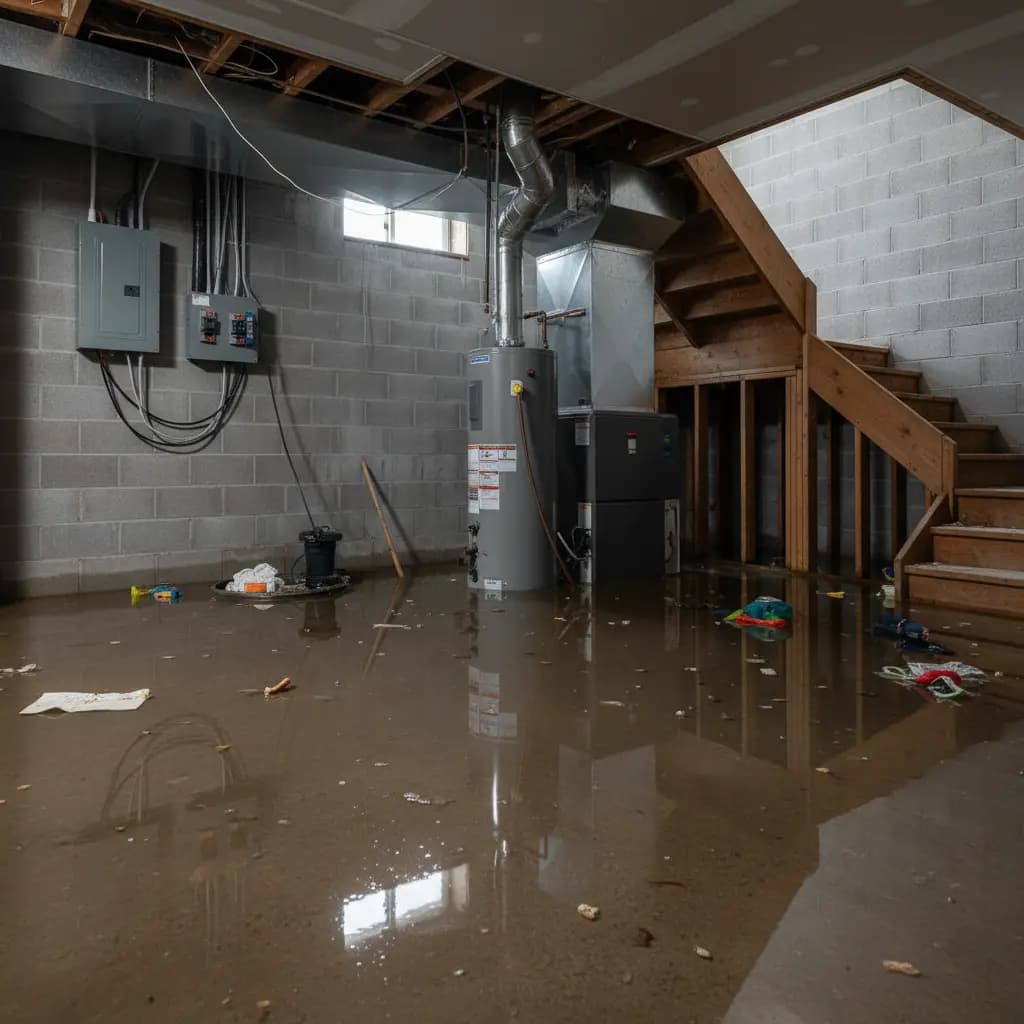
You wake up to the sound of water running—not from a faucet, but across the concrete floor below. When you enter your basement, you notice puddles forming on the floor, soaking into boxes, and running along the foundation walls. Panic sets in. You think to yourself, "Does flood insurance cover my basement?" You always assumed that flood insurance would cover everything, especially your basement. But now you are unsure.
This instance exemplifies a widespread misconception: homeowners believe flood insurance covers the entire structure, including the basement. The facts are much more complicated. Basements may not be covered with flood insurance, and if you don't have the correct coverage, you may have to foot the bill yourself.
In this blog, we'll discuss flood insurance coverage in a basement under FEMA criteria, clarify what is and isn't covered, dispel myths, compare NFIP and private solutions, provide prevention tips, and walk you through the claim process. In conclusion, you won't be asking, "Does flood insurance cover my basement?" Instead, you'll be well informed..
What Is Considered a Basement in Flood Insurance?
Before answering the question "Does flood insurance cover basements?" it's important to understand how FEMA and the National Flood Insurance Program (NFIP) define a basement. This definition impacts whether you have a “basement” and what is covered in a basement by your flood insurance policy.
According to FEMA, a basement is any interior space that has a floor below grade on all sides. This would encompass typical basements and sunken rooms. It does not typically include crawlspaces or above-grade floors.
Understanding this definition matters because the NFIP limits coverage in a basementto structural and essential systems only. If your space meets FEMA's basement definition, the policy has specific guidelines for what is and isn’t covered.
What Does Flood Insurance Typically Cover in a Basement?
Now that we've defined basements, let's get to the main question: Does flood insurance cover basements completely? The quick answer is: “no”, not completely.
Here's what NFIP normally covers in a basement.
What Is Covered Under Building Coverage (if installed in their functioning locations and, if necessary for operation, connected to a power source):
- Foundations, footings, other foundation walls
- Unfinished dry wall (walls and ceiling) and insulation
- Electrical junction and circuit breaker boxes, outlets, and switches
- Heat pumps, furnaces, central air conditioners, and hot water heaters
- Fuel tanks and fuel in them; cisterns and the water in them; well water tanks and pumps
- Sump pumps
- Water softeners (including chemicals), water filters, and faucets installed as part of plumbing system
- Stairways and staircases
- Elevators, dumbwaiters and related equipment
- Clean-up
What Is Covered Under Contents Coverage (if installed in their functioning locations and, if necessary for operation, connected to a power source):
- Clothes washers and dryers
- Food freezers (other than walk-in) and the food in any freezer
- Air conditioning units, portable or window type
What’s Not Covered by Basement Flood Insurance:
- Carpeting, rugs, and removable floor coverings (these are considered personal belongings)
- Furniture, electronics, and personal items
- Furniture, electronics, and personal items
- Finished walls, ceiling tiles, and other non-structural finishes
Understanding what is and isn’t covered is key. In a basement, NFIP flood insurance covers structural and mechanical systems. Not covered are finished walls or floors and personal property located in the basement. Many homeowners, unfortunately, only learn about these details after being affected by a flood event.
Common Misconceptions About Basement Flood Coverage
Homeowners frequently feel that flood insurance covers "everything" in a basement. Let us clear up some of these myths:
- Myth: Flood insurance covers everything in a basement. Reality: NFIP flood insurance only covers structural and mechanical/electrical systems, and not everything in a basement.
- Myth: My regular homeowners' insurance will cover flood damage to my basement. Reality: Most standard home insurance policies do not cover flood-related damage.
- Myth: Sump pump failure is included. Reality:Unless you’ve added specific endorsements to your homeowners policy (or have private insurance), sump pump failures aren’t part of basement coverage with NFIP flood insurance.
- Myth: My finished basement is protected. Reality:NFIP flood insurance doesn’t pay for finished walls, flooring, furniture, or other personal property, even if the basement is beautifully done.
Private Flood Insurance vs NFIP: Is There a Better Option?
After realizing only covered items like structural and mechanical/electrical systems are covered, many homeowners ask: Is private flood insurance better than NFIP?
NFIP Benefits:
- Standardized policy backed by the federal government
- Known coverage limits and predictable exclusions
- Serves as a reliable fallback for high-risk properties
NFIP Benefits:
- Basement finishes and personal property coverage are not included
- Provided basement coverage limitations may leave you with uncovered costs
- There is a 30-day waiting period before the policy goes into effect
Private Flood Insurance Advantages:
- Often includes coverage for basement finishes and contents, or provides coverage as an optional add-on, depending on the policy and insurer
- Higher coverage limits and replacement-cost options for contents
- Possible endorsements for sump pump failure and “pump-back” costs
- Usually shorter waiting periods such as 7 days before the policy goes into effect.
Private Policy Possible Limitations:
- Policy terms and coverage depend on the individual insurer, and must be reviewed closely
- Not available everywhere and may be a higher cost in high-risk zones
Advantage Flood helps homeowners weigh their NFIP options and compare them to private coverage, helping them find a solution that truly protects basement contents and finishes, not just the foundation and appliances.
How to Better Protect Your Basement
Knowing what’s covered is only half the battle. You can also reduce the risk of basement damage through simple and effective upgrades.
Practical Prevention Tips:
- Raise mechanical/electrical systems, like hot water heaters, HVAC, and electric panels above water levels
- Fit backflow valves in sewer and drain lines to avert sewage backups in the case of floods
- Regularly check sump pumps, and have a battery backup or water-powered sump pump
- Seal cracks in foundations with waterproof sealants or epoxy to keep seepage out
These measures not only safeguard your property but can also garner lower rates or more favorable terms of coverage from insurers.
Filing a Flood Claim with Basement Damage: What to Know
Despite best efforts, flooding can still happen. If it does, here’s a step-by-step guide to filing a flood insurance claim with basement damage:
Step 1: Safety First
- Disconnect the electricity at the breaker if safe to do so
- Do not come into direct contact with floodwater, which could be contaminated by sewage or chemicals
- Put on safety equipment such as boots and gloves when inspecting damage
Step 2: Document Everything
- Take a lot of photographs and videos of the water level, damage to structures, mechanical components, and the entire impacted area
- Don't relocate or discard damaged items until after documentation
Step 3: Notify Your Insurer As Soon As Possible
- Notify your flood insurance company immediately.
- Advantage Flood assists you in filling out the forms, linking you with adjusters, and keeping records.
Step 4: Organize Your Records
- Retain receipts for any cleanup—e.g., water pumping, removing damaged items, replacing covered mechanical equipment
- Keep record of phone calls, emails, adjuster visits, and policy notifications
Step 5: Know What to Expect
- NFIP will assign adjusters to inspect damages and covered items; they will confirm eligibility for cleanup
- Private insurers may assess more broadly, including finishes and contents. Review your policy thoroughly
- Advantage Flood acts as your liaison to make sure your claim is handled fairly and in line with policy coverage
With careful documentation and knowledgeable support, you can maximize your claim and get back to normal faster.
Conclusion
If your basement floods, you will likely find that flood insurance basement coverage only covers the damaged parts, mainly structural elements and mechanical/electrical systems. Finished walls, furniture, carpeting, and personal belongings are not covered under the standard NFIP policy. That leaves many homeowners with out-of-pocket costs for restoring what FEMA considers nonessential or nonstructural.
The good news is that private flood insurance often provides more comprehensive basement protection, and Advantage Flood can assist you in determining the best option. Proper flood insurance coverage combined with preventive measures (such as elevating appliances, fixing cracks, and installing backflow valves) can reduce risk and produce better results in the case of flooding.
Contact Advantage Flood today for a no-obligation basement flood insurance review and comparison. Your home demands comprehensive protection—from the ground up.