Flood Insurance for Renters in Florida: Your Guide to Flood Insurance for Rental Properties
Explore flood insurance for renters in Florida. Learn how renter flood insurance protects your belongings and what coverage you need as a tenant.
Complete Guide to Flood Insurance for Renters
Did you know Florida is the most flood-prone state in the entire United States? With over 1 million properties at risk of flooding, Florida's combination of flat terrain, frequent hurricanes, tropical storms, and heavy rainfall makes flooding not just possible, but inevitable in many areas.
Yet despite this well-known risk, millions of Florida renters remain uninsured against flood damage. Many assume that because they don't own the property, the responsibility lies with the landlord. Others believe their standard renters' insurance policy will take care of any damage.
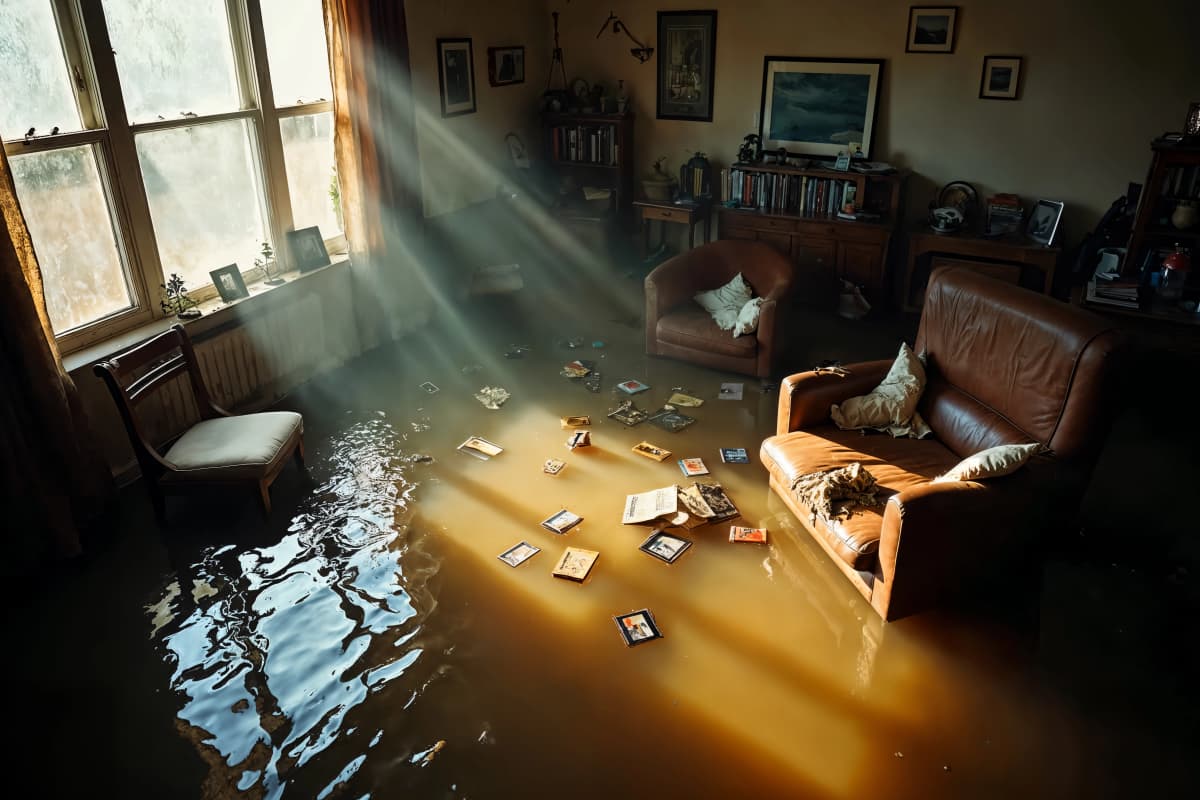
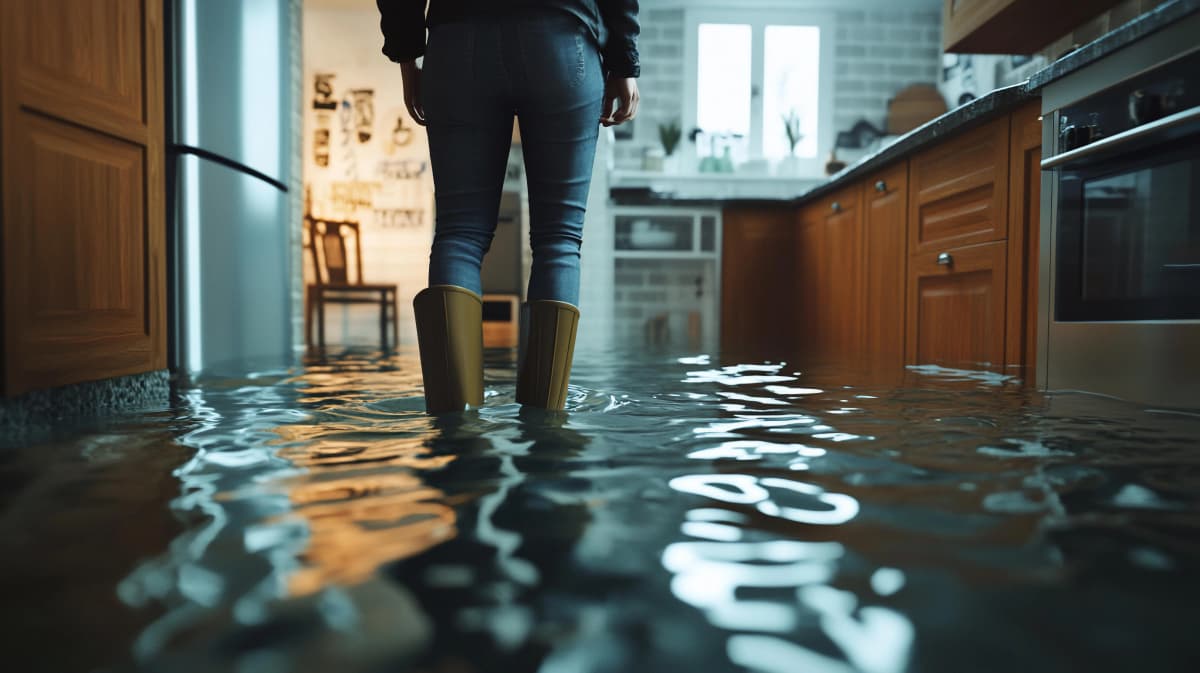
Here's the harsh truth: your landlord's insurance will not cover your personal belongings, and traditional renters' policies don't cover flood damage. If your ground-floor apartment floods during a storm, you could lose everything (furniture, electronics, clothes, documents) and get nothing in return.
That's where flood insurance for renters comes into play.
This guide is built specifically for Florida renters. Whether you live in a Miami high-rise, a Tampa duplex, a single-family ranch in Orlando, or a Pensacola beach cottage, this article will take you through:
- Why flood insurance for renters is essential in Florida
- What does flood insurance cover for renters
- How much does it cost, and how do I get it
- Real stories of flood damage from renters
- Frequently asked questions
- How flood insurance for renters in Florida is uniquely valuable
Let's dive in and protect your property, even if you don't own your home.
Why Renters in Florida Need Flood Insurance
Florida Flood Risk
Florida ranks highest in the U.S. for flood risk. Rising sea levels, frequent tropical storms, and soggy summer rainfall mean flooding isn’t just a coastal issue—it can happen almost anywhere.
Yet many renters believe their standard renters' policy will cover their losses. That’s false. A typical HO-4 renters policy excludes coverage for damages caused by a flood. You need flood insurance for renters to protect your personal property in case of a flood.
Hurricane & Inland Flood Threats
- Coastal flooding and storm surge can push ocean water into coastal rentals.
- Inland flooding from heavy summer downpours or tropical systems can inundate city streets and drainage systems.
- Flash floods from sudden storms can flood buildings and low-level units quickly.
Myth Bust: "My Landlord’s Insurance Has Me Covered"
Landlord policies cover the building structure and any contents furnished with the lease, not your personal property items. Without flood insurance for renters, your furniture, electronics, clothing, etc. could be lost with no reimbursement.
Florida-Specific Risks
The state’s high groundwater levels and porous limestone mean even low-lying and inland rentals can face flooding. Your best protection? Flood insurance for renters in Florida ensures you’re covered even if your area is labeled “moderate to low-risk.”
What is Flood Insurance for Renters?
Flood insurance for renters is a policy that covers the things that matter to you—your personal belongings. It differs from homeowners' or landlord insurance in a few key ways:
1. Coverage
- Landlord policies insure the building structure and any contents furnished with the lease.
- Flood insurance for renters provides coverage for your contents, such as furniture, clothes, and electronics.
2. NFIP vs. Private
- The National Flood Insurance Program (NFIP) offers content-only policies for renters.
- Private insurers provide both NFIP-style and enhanced renter flood insurance, often with higher limits and quicker service.
What It Covers
- Furniture and electronics
- Area rugs and personal fixtures
- Kitchen items and portable appliances
- Clothing, bedding and other personal items
What It Doesn’t Cover
- The building structure (your landlord handles that).
- Pre-existing damage or neglect
- Mold or mildew, unless directly caused by a covered flood
Why It Matters
Data shows over 40% of flood insurance claims come from low-risk flood zones. That means that even if you live in a zone that’s not categorized as high-risk, you need flood insurance for renters in Florida for peace of mind.
Cost of Renter’s Flood Insurance in Florida
Average Costs
- NFIP flood insurance for renters starts around $100/year, depending on coverage limits.
- Private insurers may charge between $150–$300/year, but offer higher limits and optional coverages.
Factors That Influence Cost s
- Location of the rental property
- Elevation of the rental property
- Coverage limit you choose for contents
- The # of floors in the building and the floor of your unit
- Optional coverages selected
NFIP vs. Private
- NFIP offers standardized limits up to $100,000 for contents coverage.
- Private insurers may offer up to $500,000 in contents coverage and include temporary living expenses automatically.
In Florida, that extra cost is worth it. For renters facing hurricane season, a small annual premium now can save you from total loss later.
How to Get Flood Insurance as a Renter in Florida
1. Check Your Flood Zone
Visit FEMA’s Map Service Center (FEMA Flood Map Service Center | Search By Address) to see your rental’s flood risk. Even “moderate to low-risk” zones flood—so don’t let that steer you away from flood insurance for renters in Florida.
2. Get a Quote
Use Advantage Flood’s online tool or talk to an agent for personalized quotes for flood insurance for renters.
3. Choose NFIP or Private Flood Insurance
- NFIP is budget-friendly with standard protection.
- Private insurers offer broader and optional coverages.
4. Buy Early
NFIP has a 30-day waiting period before coverage starts. Private policies generally become effective within 7 days.
5. Document Your Belongings
Photos or video inventory helps your claim process if a flood strikes.
Early preparation pays. Don’t wait until storm warnings hit to secure flood insurance for renters.
Illustrative Scenarios Where Renters Need Flood Insurance
Scenario 1: Hurricane Impact
Maria, a Tampa renter, lost everything when storm-surge flooded her first-floor unit. She didn’t have flood insurance. Her furniture, electronics, and keepsakes were ruined, and her landlord’s policy only covered the building structure. She was on the hook for over $15,000 worth of damaged property.
Scenario 2: Covered & Recovering
Chris, another Florida renter, had flood insurance for renters via Advantage Flood. His unit flooded during a heavy inland rainstorm. Because he had loss-of-use coverage in addition to coverage for his personal property, Advantage Flood reimbursed his temporary housing costs while his place was cleaned and repaired—saving him thousands of dollars and a significant amount of stress.
These examples show why flood insurance for renters is essential, especially in hurricane-prone Florida.
FAQs
1). Can my landlord require me to buy flood insurance?
2). Will FEMA help me after a flood?
3). What’s the difference between contents and dwelling coverage?
4). Can I get renter's flood insurance even outside a high-risk flood zone?
5). Does a homeowner's or renter's insurance cover flooding?
6). How soon after purchase does coverage start?
How Advantage Flood Helps Florida Renters
Advantage Flood specializes in flood insurance for renters, with Florida-focused expertise:
- Extensive knowledge of Florida's flood maps and hurricane risks
- Quick online quotes—no long waits
- Choices between NFIP and private flood insurance
- Coverage guidance that explains what your policy protects
- Supportive claims process, so you don't navigate a disaster alone
Renters in Florida deserve comfort as much as coverage, and Advantage Flood delivers both.
Conclusion
Renters in Florida face real flood risk from hurricanes, coastal surges, flash storms, and inland rains. Standard renter’s insurance won't cover the cost of replacing your PC, electronics, couch, or wardrobe if they are damaged. That's why flood insurance for renters is essential.
Don't wait for the next forecast. Protect your belongings, reduce stress, and get covered.
Get your free flood insurance quote for renters today through Advantage Flood and start living worry-free, even in Florida's wettest seasons.