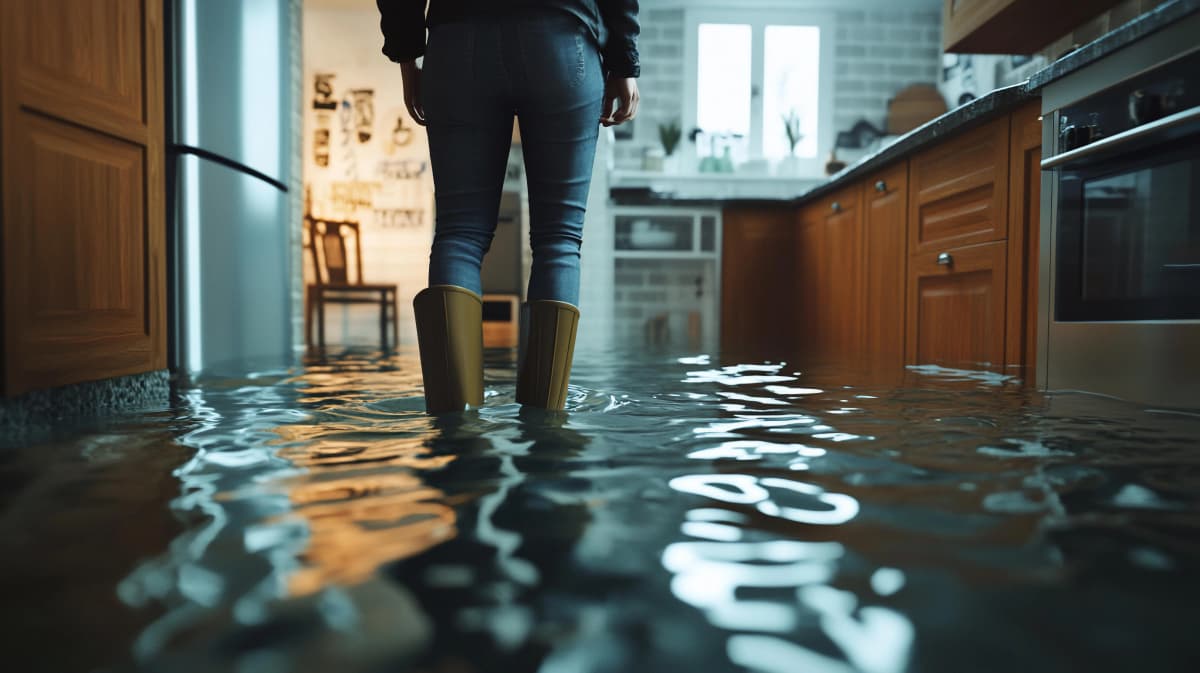
Flood Insurance Renewal Checklist: When and Why to Do a Policy Review Insurance Update
Stay protected with a timely flood insurance renewal. Learn when to review your policy, what updates matter most in 2026, and how a flood insurance checklist ensures full coverage before disaster strikes.
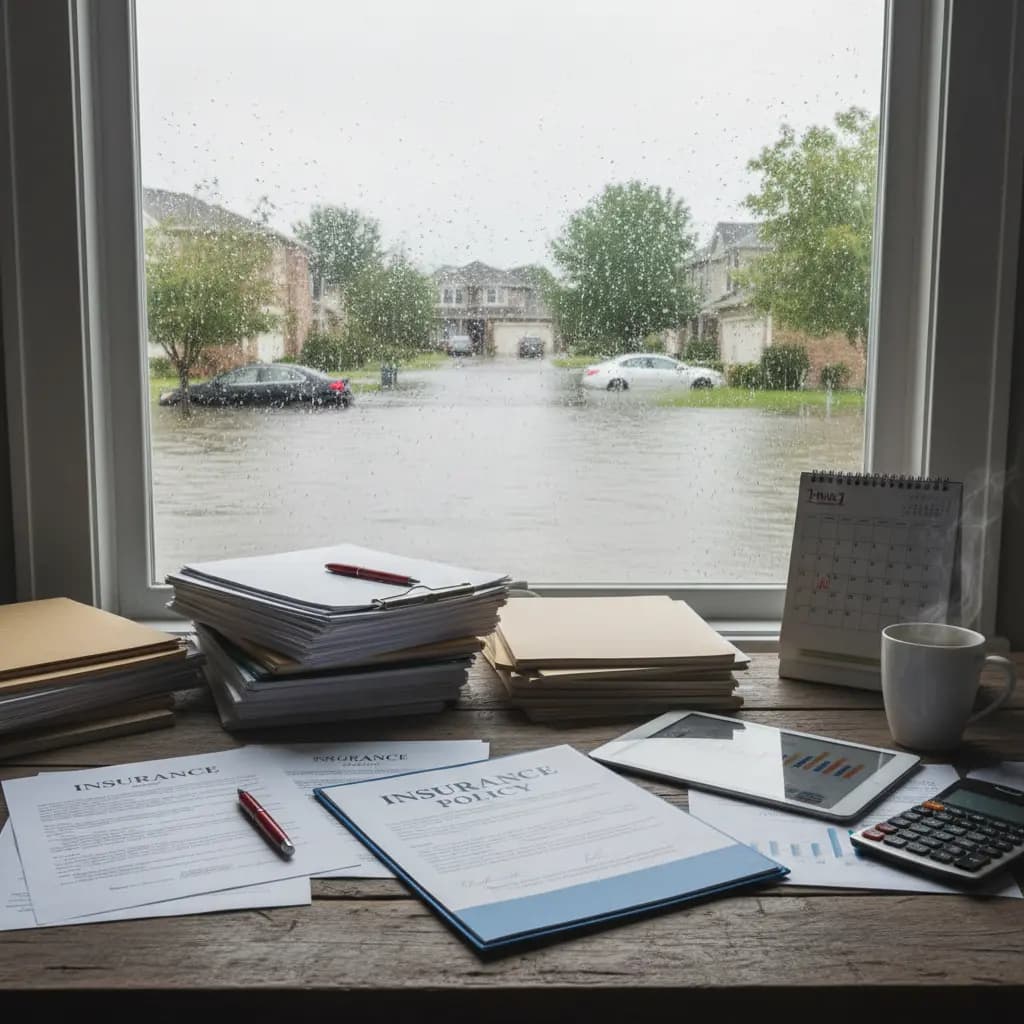
Flood insurance is a crucial protection for homeowners, renters, landlords, and small business owners, particularly in flood-prone states like Texas, Florida, and Louisiana. However, many people forget that staying covered is not a one-time exercise. Regularly renewing your flood insurance and updating your comprehensive insurance policy review might make the difference between continuous peace of mind and unexpected financial loss. In this guide, we'll explain why renewing your policy is essential, what to put on your renewal checklist, common mistakes to avoid, and how to guarantee your coverage evolves with changes to your property and community.
Why Timely Flood Insurance Renewal Matters
A lapse in your flood insurance policy, however brief, can leave you uninsured when tragedy strikes. Consider torrential rains or a tropical storm arriving just days after your policy ends. You'd be left without recovery funding because homeowner policies typically exclude flood damage. A lapse can also interrupt mortgage terms and result in force-placed coverage, and insurance payments that are significantly higher than market rates.
Mortgage lenders also typically require ongoing coverage in high-risk flood zones throughout the life of the loan. If your policy is not renewed on time your lender may force-place coverage to cover their interest in your property, and you could be responsible for repair/rebuilding costs following a flood, without the assistance of your lender.
Furthermore, in the event of a gap in your insurance coverage, you may be required to submit a new application with a waiting period and subject to current rates that might increase your premium, especially if the flood zone has changed.
The bottom line: renewing your flood insurance policy before its expiration is essential. Staying compliant preserves your eligibility for claims, ensures lender requirements are met, and avoids costly interruptions or rate hikes.
What to Include in Your Flood Insurance Renewal Checklist
A strong flood insurance renewal hinges on a thorough checklist. This not only confirms you meet deadlines, but also ensures your policy reflects changes in risk and coverage needs. Use and review these key elements annually:
- Mark Your Renewal Date:Flood zones are subject to change over time, particularly following heavy storms or new FEMA map updates. Recheck your address on the FEMA Flood Map Service Center to confirm if your property's flood designation has changed since your last renewal.
- Review Building and Contents Coverage: Ensure building limits reflect current replacement or rebuild costs. Confirm whether the contents coverage (furniture, appliances, personal items) still fits today’s value.
- Update Your Property’s Value: Home improvements, like kitchen remodeling or finishing a basement, should be accounted for in reviewing coverage amounts. Under-insurance can potentially result in reduced payout during a claim.
- Compare NFIP vs Private Flood Insurance: If you have an NFIP policy, check whether private providers in your area offer savings or better terms. An insurance policy review update is the perfect time to compare.
- Check Deductibles: Raising your deductible might reduce your premium, but it would increase your out-of-pocket expenses during a claim. Balance cost savings against affordability.
- Add or Remove Coverages: Do you need coverage for contents? Do you need to remove contents as property is now a rental? Is there more or less inventory to be covered? Adjust accordingly during renewal.
- Gather Required Documentation: Keep together renewal notices, elevation certificates, proof of home improvements, and documents for recent claims. Ready files make agent interactions and policy processing smoother.
- Ask About Premium Discounts: Check if any mitigation improvements, like raising utilities or installing flood vents, qualify you for credits. Inquire about discounts, community programs, or flood risk reduction options.
By methodically working through this list, you’ll be prepared for a smooth flood insurance renewal process.
How to Conduct an Insurance Policy Review Update
Once your checklist is ready, follow these steps to complete an effective insurance policy review:
- Before renewing, obtain quotes: For NFIP and private quotes, contact your insurance agent/company or an Advantage Flood agent. Ask for comparisons side by side.
- Ask the right questions:Ensure you understand what's covered, how deductibles work, and whether mitigation credits have been factored into the calculation. Know how your premium is affected by flood zones and past claims.
- Check out your insurance company: If your premiums are increasing or your service is deteriorating, consider switching. Look for companies that process claims quickly, offer flexible terms, or have customer service that responds promptly.
- Consider the property's changes:Renovations or upgrades that reduce your home's flood risk can often lower your premiums.
- Ensure all changes are made before renewal: Lock in your coverage levels, deductible, and values to prevent any changes. Pay your premium early to avoid gaps and ensure everything remains the same.
Reviewing your insurance policy annually is a good idea because it ensures the coverage is correct, prevents surprises, and can save you a significant amount of money.
Mistakes to Avoid During Flood Insurance Renewal
Even routine renewals can go wrong without careful attention. Avoid these common pitfalls:
- Missing the renewal deadline: A lapsed policy results in immediate expense risk or the need to re-apply, often at a higher cost.
- Not updating coverage after improvements: Home enhancements, such as an addition, add value and risk, which is worth reflecting in your insurance limits.
- Over-insuring or under-insuring contents:Assess whether you’re covering unnecessary areas (like collectibles that aren't damaged by flood) or leaving personal possessions vulnerable.
Avoiding these mistakes can save you headaches, money, and coverage complications down the road.
When to Review Your Insurance Policy Outside Renewal
Reviewing your policy doesn’t have to wait until renewal time. You should act if any of the following occur:
- After a natural disaster: Floods, hurricanes, or storm surges may increase local risk or demand for insurance.
- When FEMA updates its maps: A shift in your flood zone can affect both lender requirements and premiums.
- Following major repairs or additions: Projects like building an addition or remodeling add rebuild cost and risk.
- If you are selling or leasing the property: New occupants and lenders will expect thorough coverage, especially in flood-prone regions.
Adapting your policy to these changes ensures that your insurance remains both current and effective.
FAQs
1). When should I start the process of renewing my flood insurance?
2). What papers do you usually need to renew?
3). What is an update for an insurance policy review, and why is it important?
4). Is it possible to switch from NFIP to private flood insurance when I renew?
5). How can I tell if I don't have enough insurance or too much?
6). How do claims I've made in the past affect my flood insurance premium?
7). Should landlords and small business owners conduct an insurance policy review update, too?
8). Where can I get help with my flood insurance renewal and review?
CTA: Need Help with Your Flood Insurance Renewal?
Don't leave your property vulnerable; renew your flood insurance on time and ensure your policy truly protects what matters most. Whether you're renewing an existing flood policy or exploring better options, Advantage Flood is here to guide you every step of the way.
Contact us today at Advantage Flood and get peace of mind before the next storm hits.