Renters Insurance and Flood Coverage: Who’s Responsible for Flood Insurance in Rental Properties
Understand renters insurance with flood coverage and learn who’s responsible for flood insurance in rental properties to protect your belongings.
Introduction
Most renters assume their landlord's insurance will protect them in the event of a flood. Unfortunately, that's not the case. This common misconception leaves countless renters financially vulnerable every year. In fact, according to FEMA, 40% of flood claims come from properties outside of high-risk flood zones, meaning even those who think they're safe may not be.
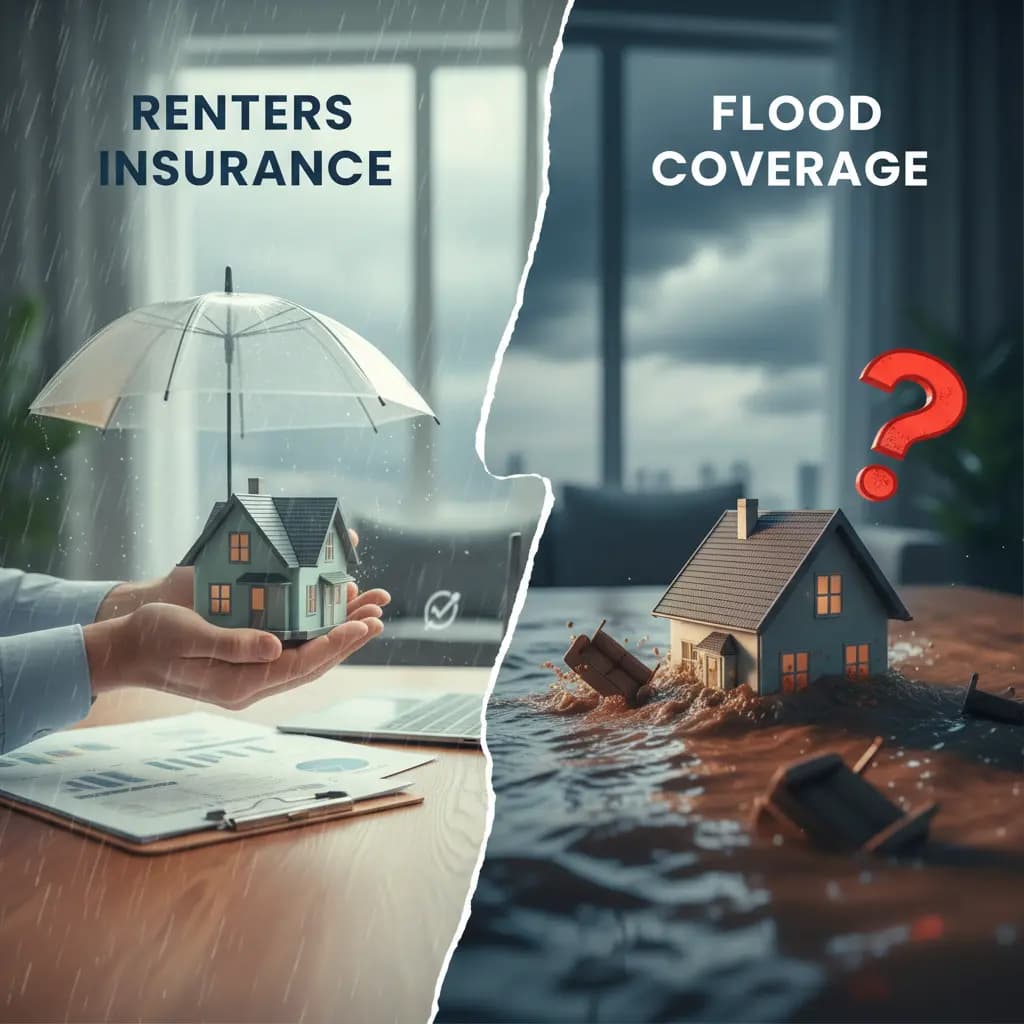
With floods becoming more frequent and damaging across the U.S., it's critical to understand what your renters' insurance covers and what it doesn't. Many tenants are unaware that standard renters' insurance does not cover flood damage, which can result in significant losses to personal property.
In this blog, we’ll clear the confusion around renters' insurance and flood coverage, explain the roles of tenants and landlords in rental properties, and help you make informed decisions to protect yourself.
What Does Standard Renters' Insurance Cover?
Renters' insurance is designed to protect a tenant's personal belongings, not the structure in which they live. In most cases, it covers damage or loss caused by:
- Fire or smoke
- Theft or vandalism
- Windstorms
- Certain types of water damage (like burst pipes, not floods)
However, it's essential to understand what's not covered. Flood damage from rising water, heavy rainfall, or overflowing rivers is excluded from most standard renters' insurance policies.
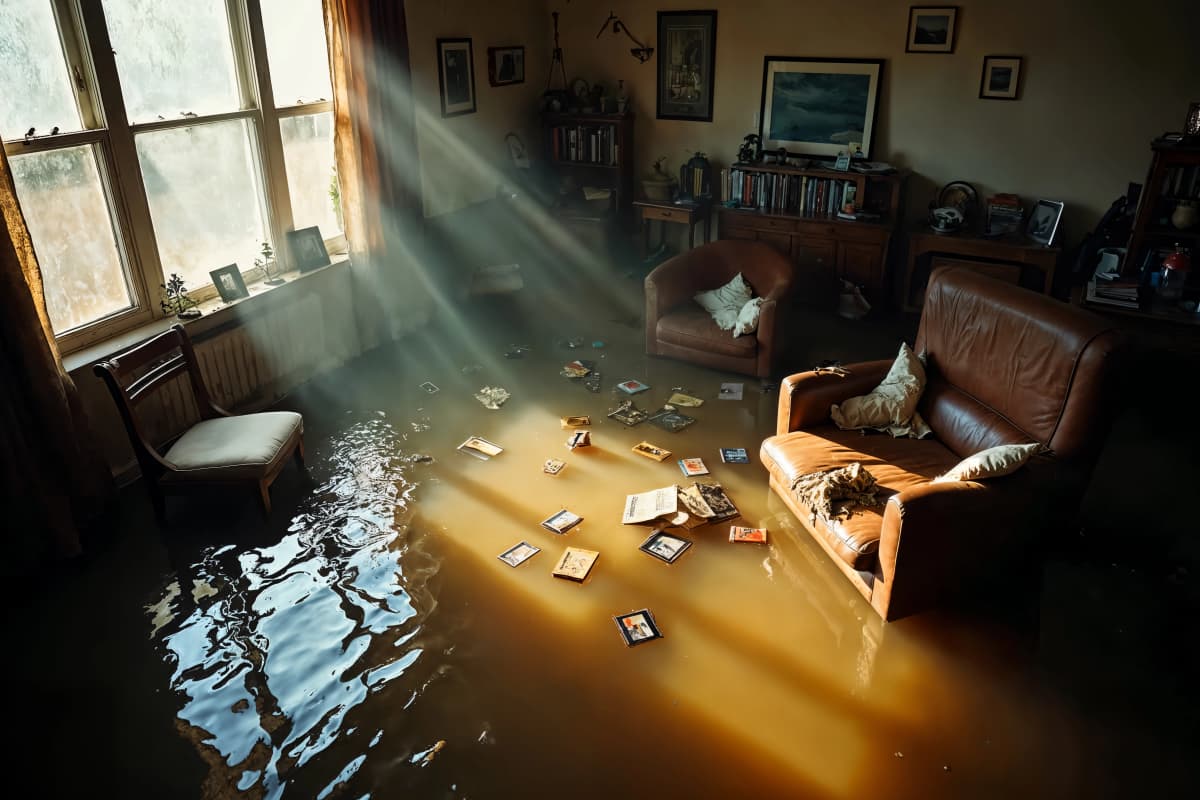
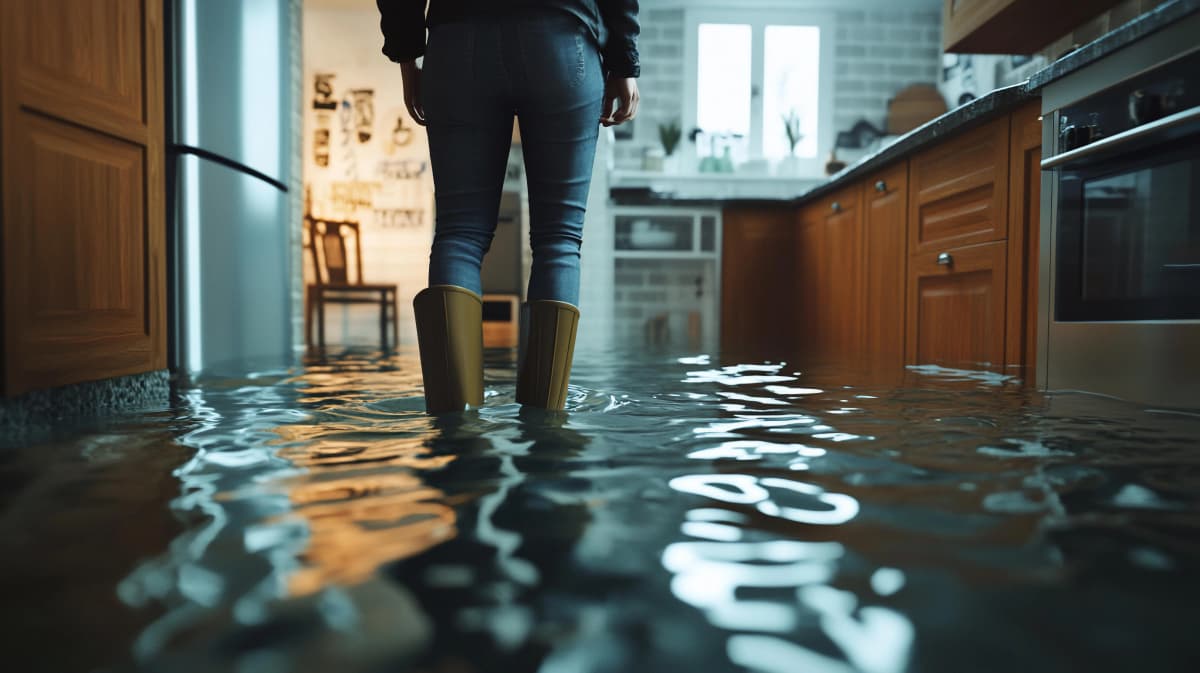
For example, imagine your apartment floods during a storm. Water can damage your furniture, electronics, and clothing. Even if you have renters' insurance, your claim for flood damage will likely be denied unless you have separate flood coverage.
This is why relying solely on renters' insurance without understanding the limitations can be a costly mistake. To fully protect your belongings, especially in flood-prone areas, you’ll need to explore renters' flood insurance.
Renters' Flood Insurance
So, what exactly is renters' flood insurance? It’s a flood insurance policy that provides specific protection against flood-related damage to a renters' personal property.
Standard renters' insurance ≠ flood coverage
Most renters' insurance policies exclude flood damage by default. To be protected, you need to purchase a separate flood insurance policy. This can be done through:
- The NFIP (National Flood Insurance Program) – A government-backed program managed by FEMA.
- Private flood insurance providers – Offering custom policies, often with higher coverage limits and additional options.
What’s Covered?
Flood insurance for renters typically provides coverage for property owned by the renter or household family members, plus property owned by guests, and includes items such as:
- Furniture, carpets, and electronics
- Portable appliances
- Clothing and other personal belongings
- Rugs, artwork, and other valuables
However, coverage varies based on the provider and the policy. You’ll need to look at:
- Coverage limits: How much you’ll be reimbursed
- Replacement Cost or Actual Cash Value
- Deductibles: How much you must pay out of pocket
- Waiting periods: Policies often take 30 days to go into effect, so don’t delay
By securing renters' flood insurance, you ensure that your personal belongings are protected, even in the event of the worst happening. For simplicity, Advantage Flood helps you compare both NFIP and private policy options easily online.
Who Is Responsible for Flood Insurance in Rental Properties?
Understanding who is responsible for flood insurance in a rental property is key—and the answer depends on what is being covered and who owns it.
Landlords Are Responsible For:
- The structure of the building
- Walls, flooring, windows, roof, and built-in systems like plumbing, electrical, or HVAC
- Purchasing flood insurance to protect their property investment
Tenants Are Responsible For:
- All personal belongings
- Renters' insurance for basic protection (theft, fire, etc.)
- Separate flood insurance for belongings damaged by rising water
- Additional living expenses if you're displaced after a flood
Example Scenarios:
- A hurricane floods your rental property. The landlord’s flood policy may pay to repair damages to the drywall and replace the flooring, but your damaged furniture and electronics are not covered unless you have a flood policy.
- Heavy rains caused storm drains to back up and flood streets and buildings. A couple of inches of water entered the home you rent and damaged area rugs and furniture. Your renters' insurance likely won’t help unless you also purchased a renters’ flood policy.
Lease Language to Watch:
Some leases may include disclaimers that the landlord is not responsible for tenants’ property losses, even in flood-prone areas. Always review your lease and ask your landlord about their policies and what coverage may or may not be provided for the tenant. Getting your own renters' flood insurance ensures you're not financially exposed.
Why Renters in Flood-Prone Areas Should Take Action
Flooding is no longer a rare event. In recent years, even areas with no previous history of flooding have experienced record-breaking rainfall, flash floods, and storm surges.
According to FEMA, just one inch of water in your home can cost more than $25,000 in damages.
Despite the rising risks, many renters assume they’re safe simply because their landlord holds flood insurance. But here’s the truth: landlords only insure their building, not your belongings.
Another misconception is that you can wait until a storm is coming to buy flood insurance. Unfortunately, most policies (especially NFIP policies) come with a 30-day waiting period before coverage kicks in. That means if you purchase a policy today, it likely won’t protect you during a flood next week.
If you live in a ground-floor unit, near a body of water, or in a high-risk FEMA flood zone, it's even more crucial to take action now. Don’t wait until you’ve suffered a loss to think about flood insurance.
Take control today by securing renters' flood insurance from a trusted provider like Advantage Flood.
How Renters Can Get Flood Insurance
Getting flood insurance as a renter is simple and more affordable than many people think. Here's how to do it:
Step 1: Inventory Your Belongings
Create a list of valuable items—furniture, electronics, appliances, clothing, etc.—to understand how much coverage you’ll need.
Step 1: Inventory Your Belongings
Create a list of valuable items—furniture, electronics, appliances, clothing, etc.—to understand how much coverage you’ll need.
Step 2: Know Your Flood Zone
Use FEMA’s Flood Map Service to find out if you're in a high-risk area.
Step 3: Choose a Flood Insurance Provider
Compare options through:
- NFIP (limited but federally backed)
- Private insurers (flexible, faster, and often higher coverage)
Step 4: Get a Quote Online
Advantage Flood offers a fast and easy tool to compare flood insurance policies tailored to renters. It takes just minutes to get started.
Step 5: Finalize Your Policy
Review your quote, choose your deductible and coverage limit, and activate your protection.
Average Cost:
Flood insurance for renters typically costs between $100 and $300/year, which is a small price for peace of mind.
FAQs
1). What is renters' flood insurance?
2). Does standard renters' insurance cover flood damage?
3). Is my landlord responsible for flood insurance that covers my belongings?
4). How much does flood insurance cost for renters?
5). Can I buy renters' flood insurance online?
6). Can I get flood insurance if I’m not in a high-risk area?
7). Does flood insurance cover temporary housing costs after a flood?
8). Is there a waiting period after I buy flood insurance?
9). What happens if I don't have flood insurance and my rental floods?
Conclusion + CTA
The bottom line: Renters' insurance does not include flood protection. And in today’s changing climate, no one can afford to leave their belongings unprotected.
As a tenant, you’re responsible for safeguarding your possessions, and that means considering renters' insurance with flood coverage. Waiting until a storm is near or assuming your landlord has it covered could leave you facing thousands in unexpected losses.
Be proactive. Be informed. Be protected.
Get your free flood insurance quote today from Advantage Flood and rest easy knowing your home and belongings are ready for whatever nature throws your way.