Texas Flood Insurance Premiums Explained: Why You Need a Texas Flood Insurance Quote Even in Low-Risk Zones
Learn how texas flood insurance premiums work and why getting a texas flood insurance quote is essential even in low-risk zones to protect your home from unexpected floods.

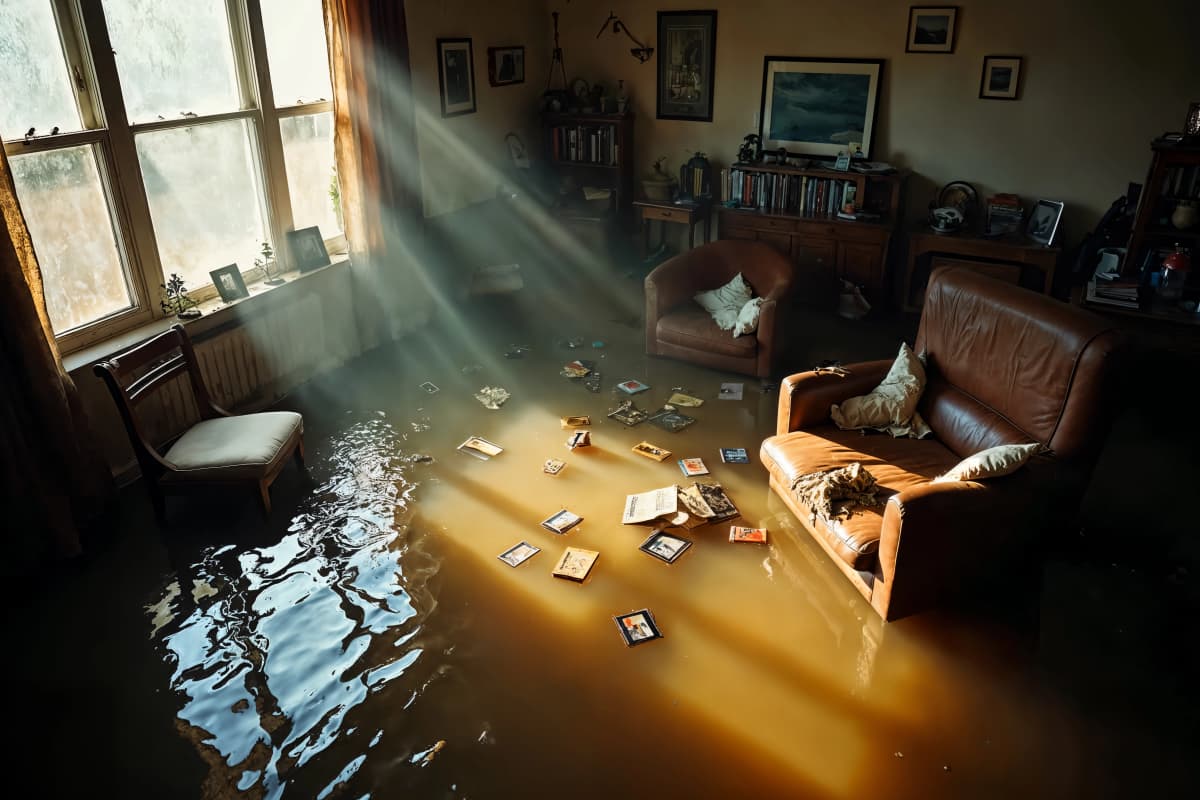
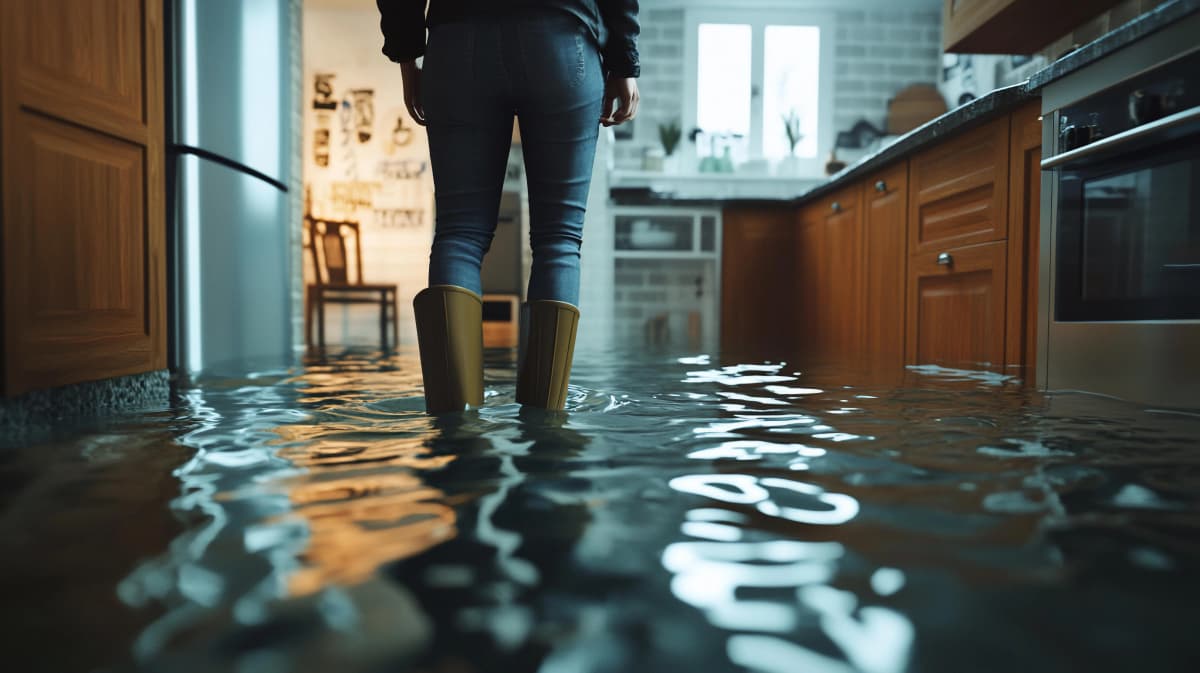
Your home may not appear to be a flood risk on paper, but your wallet could be in danger due to flood-related damages. Texas ranks among the top in flood-related disaster declarations, and extreme weather events are becoming increasingly common. That means everyone is in a flood zone, and even if you're not in a high‐risk area, rising water can still hit your property and your finances.
That’s why understanding Texas flood insurance premiums matters and why getting a Texas flood insurance quote is a smart move, no matter where your home sits.
What Affects Your Texas Flood Insurance Premiums?
Knowing what goes into Texas flood insurance premiums helps you make informed decisions and maybe save money:
- FEMA flood zones: High-risk zones, such as AE, V, VE, command higher premiums, while moderate zones, like X/B or undetermined Zone D, usually have lower premiums.
- Elevation: Homes built higher take on less water and often see better insurance premiums.
- Construction type: Newer, flood-resistant homes tend to have better flood insurance premiums in Texas.
- Proximity to water:Even if you aren't riverside, nearby creeks or drainage systems can raise your premium.
- NFIP vs. private: The NFIP offers standardized pricing, while private insurers often provide more flexibility.
- Risk Rating 2.0:FEMA’s flood insurance rating methodology develops Texas flood insurance premiums based on your individual property's flood risk characteristics instead of just the flood zone.
- Regional differences: Houston, Dallas, and Austin might see different rates—your neighborhood matters.
Why Low-Risk Zones Need Coverage
You might be thinking: "But I'm in a Zone X, so I'm safe." Unfortunately, data suggests otherwise:
- 40% or more of all flood claims come from moderate- or low-risk zones, according to FEMA data.
- During Hurricane Harvey, many homes in Zone X were flooded.
- San Antonio flash floods and Austin run-off events hit homes outside high-risk zones.
Floods can occur anywhere, even in areas considered the safest. That means getting flood insurance in low-risk zones often makes financial sense in Texas. It’s worth getting a Texas flood insurance quote to know your options.
Texas Flood Insurance Quote: What You Should Know
Getting a Texas flood insurance quote online takes just minutes and doesn’t obligate you to buy. The average premium for Texas flood insurance is $700/year. To get started, you’ll need:
- Your property address and ZIP code
- Year built and construction type
- Chosen coverage type: structure, contents, or both
Plug these into Advantage Flood’s quote form, and you’ll get your Texas flood insurance quote in no time.
Understanding what flood insurance covers and what it doesn't is crucial before purchasing a policy. Many homeowners assume they’re protected until a claim is denied. Here’s a clear breakdown so you know exactly what you're getting when you review your Texas flood insurance quote.
What Flood Insurance Typically Covers
A standard flood insurance policy, whether through the National Flood Insurance Program (NFIP) or a private insurer, generally includes two categories of coverage:
Building/Structure Coverage
This protects the physical structure of your home and permanently installed fixtures, including:
- Foundation, walls and staircases
- Electrical and plumbing systems
- Central air conditioning systems, furnaces, and water heaters
- Appliances like refrigerators, built-in dishwashers, and stoves
- Permanently installed carpeting (over unfinished flooring)
- Detached garages (limited coverage under NFIP)
- Fuel tanks, well water tanks, and solar equipment
- Window blinds and built-in cabinets or bookcases
This coverage helps pay for repairs or rebuilding after floodwaters damage your home’s infrastructure.
Contents (Personal Property) Coverage
Optional but highly recommended, content coverage includes:
- Furniture (beds, sofas, dining tables, etc.)
- Clothing, electronics, and other personal belongings
- Portable air conditioners and microwaves
- Washers and dryers
- Curtains and rugs that are not permanently installed
- Artwork and valuable items (subject to limits)
You can choose to cover your belongings at actual cash value (depreciated) or replacement cost, depending on the policy provider.
What Flood Insurance Doesn’t Cover
Flood insurance has limitations, and it’s essential to be aware of exclusions. Here's what’s typically not covered:
Outside and Landscaping
- Trees, plants, lawns, and outdoor furniture
- Swimming pools, hot tubs, and fences
- Decks, patios, and walkways
These are considered "outside the insured structure” and not eligible for reimbursement.
Additional Living Expenses
- Temporary housing
- Hotel stays or meals during displacement
- Loss of income or business interruption
Unlike homeowners insurance, flood insurance doesn't include ALE (Additional Living Expenses), unless you purchase a separate rider from a private insurer.
Vehicles and Machinery
Cars, motorcycles, ATVs, lawnmowers, and any motor vehicles aren't covered. These should be insured under your auto policy, preferably with comprehensive coverage.
Busting Common Myths
- My homeowners' insurance covers floods.
Homeowners' insurance generally doesn’t cover rising water; flooding is excluded. - Flood insurance is only for coastal areas.
Not true; storms or flash floods can happen anywhere, even inland. - I don’t live near water, so I’m safe.
Drainage systems and runoff can carry water far away from its source. - Flood insurance is too expensive.
The average cost for flood insurance in Texas is $700/year.
How to Lower Your Texas Flood Insurance Premiums
Want to save? Here are practical tips:
- Get an Elevation Certificate to show your home sits higher than flood level
- Choose a higher deductible to lower your upfront premium
- Improve flood protection with vents, elevation, or floodproofing
- Take advantage of the Community Rating System (CRS) discounts if your community participates
These steps can help lower your Texas flood insurance premium.
FAQs
1). How much do Texas flood insurance premiums cost on average per year?
2). Do I need a policy if I’m not in a FEMA flood zone?
3). Will my mortgage lender require flood insurance in Texas?
4). Is there a waiting period after buying flood insurance?
5). Can I include both structure and content coverage?
6). How do elevation and flood zone affect Texas flood insurance quotes?
7). Can I get Flood Insurance even in low-risk zones?
8). How much do Texas flood insurance rates cost on average?
9). How can climate change affect my Texas flood insurance rates?
10). Can I switch my policy after getting a quote?
Conclusion + CTA
You don’t need to live in a high-risk floodplain to need protection. Flooding in Texas is unpredictable, and Texas flood insurance premiums in low-risk zones are often very affordable. Getting a Texas flood insurance quote today protects your property, saves your financial investment, and gives you peace of mind.
Don’t wait until it’s too late. Get your free Texas flood insurance quote today and secure peace of mind, no matter your risk zone.