
Texas Flood Map Guide: How to Read a Flood Map in Texas and Understand Your Texas Flood Zone Map
Learn how to read a Texas flood map so you can locate your property, interpret FEMA flood zone labels like A, V, and X, and understand what your Texas flood zone means for risk, building decisions, and flood insurance.
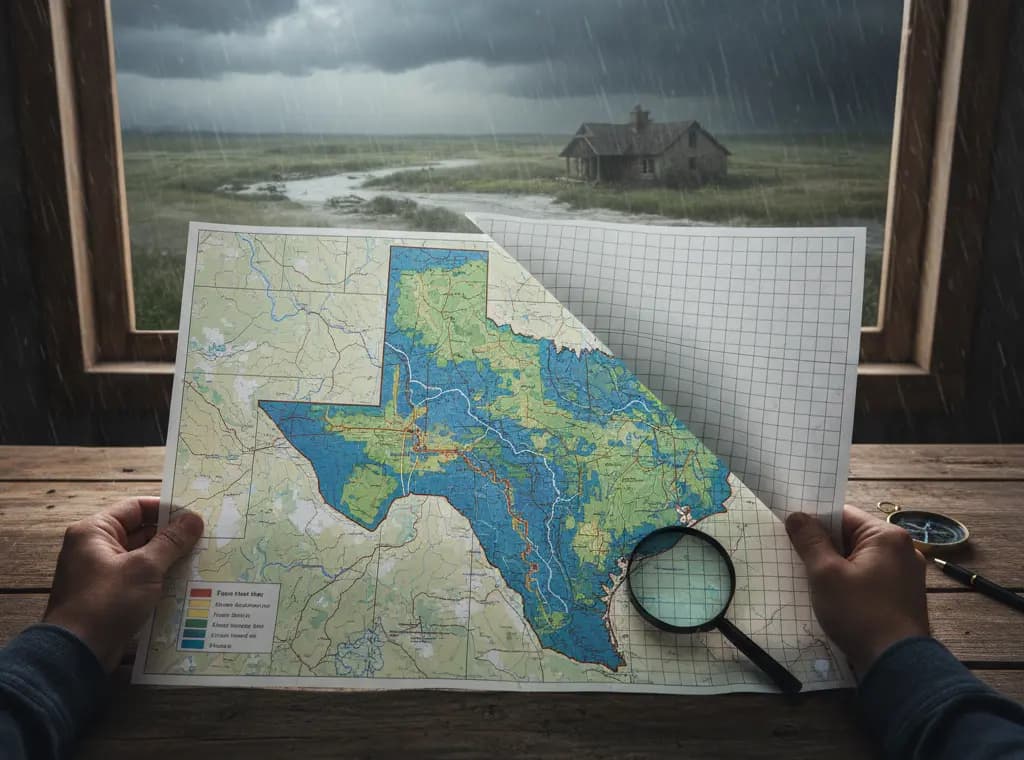
Introduction: Why Knowing Your Flood Risk Is Crucial in Texas
Many Texans are unaware that they are in a flood zone until it's too late. Unexpected floods are becoming increasingly prevalent in urban areas of Houston and Dallas, and along coastal properties in Galveston, as weather patterns shift and urbanization continues to accelerate. Understanding your Texas flood map is crucial if you're buying a new home, renewing your insurance, or just interested in the safety of your neighborhood.
In this blog, we will help you learn how to read a flood map in Texas, along with the breakdown of what your flood zone means, and figure out how to take the proper steps to protect your home or business property. With the right tools and awareness, you can reduce your financial risk and optimize your insurance premiums.
Let’s dive in.
What Is a Flood Map in Texas?
A flood map in Texas is a visual representation showing areas at risk for flooding. Maps like these are produced primarily by the Federal Emergency Management Agency (FEMA) and are part of the National Flood Insurance Program (NFIP).
Why Are Flood Maps Important?
Flood maps are important because they:
- Help homeowners determine if flood insurance is required.
- Assist real estate agents and buyers in evaluating flood risk.
- Guide city planners and builders in zoning and construction.
Each Texas flood map shows floodplains, which are geographical areas that are prone to flooding. The FEMA Flood Insurance Rate Map (FIRM) is the most typical format, indicating flood risk levels with codes and color shading. These are critical for establishing whether a property is in a Special Flood Hazard Area (SFHA) or an area of minimal to moderate flood risk. You can visit FEMA’s Flood Map Service Center (FEMA Flood Map Service Center | Search By Address) to look up your location.
Flood Map Zones Explained
Flood zones are designated using letter codes, such as A, AE, VE, and X. These codes indicate the likelihood of flooding and whether flood insurance is mandatory.
Here’s a breakdown:
| Zone | Flood Risk Level | Insurance Requirement |
|---|---|---|
| A | High risk | Required with mortgage |
| AE | High risk | Required with mortgage |
| AO | High risk | Required with mortgage |
| VE | High-risk coastal | Required with mortgage |
| X | Minimal or moderate | Optional but recommended |
A "100-year flood" refers to a 1% chance of flooding in any given year, not once in 100 years. If you observe Zone AE on your flood map, it indicates that your property is located in a higher-risk area or Special Flood Hazard Area (SFHA), where insurance may be required by lenders. Understanding these codes is the first step in effectively interpreting your flood map in Texas.
How to Check the Flood Map in Texas
Looking up your address on a Texas flood map is easier than you think. Here’s a step-by-step guide:
A. Use FEMA’s Map Service Center
- Go to FEMA Flood Map Service Center | Search By Address
- Enter your property address
- Select “View Interactive Map.”
- Identify flood zones, base flood elevations, and risk data
B. Try Texas-Specific Tools
Alternatively, you could try some tools that are specific to Texas:
- Texas Flood Information Viewer: https://map.texasflood.org/
- TWDB Flood Viewer(Texas Water Development Board):https://www.twdb.texas.gov/flood/planning/data.asp
These platforms provide localized data, map overlays, and real-time flood risk assessments. Whether you're using your desktop or mobile device, these tools are user-friendly and updated regularly. Before you buy, build, or renovate, always check the latest flood map for your area in Texas.
Texas Flood Zone Map: What It Means for You
If your Texas flood zone map says your home or business is in a high-risk zone like AE or VE, this is what it means:
- Most likely, your mortgage lender will require you to have flood insurance.
- Your premiums will be based on the flood risk, replacement cost value of the property, type of structure, foundation type, and the height of the building above grade.
- Coastal areas may be at greater risk from storm surge and wave actions.
Flooding can still happen in your area, even if your property is located in Zone X (minimal to moderate risk). FEMA reports that approximately 40% of flood insurance claims originate from these "non-high-risk" areas.
What To Do If You’re in a High-Risk Zone
- Consult with your insurance agent
- Purchase a flood insurance policy
- Mitigate risk through elevation or other flood control methods
Understanding your Texas flood zone is a smart step toward protecting your finances.
Why Flood Zones Change (And Why You Should Recheck Yours)
Flood zones don't stay the same all the time. FEMA updates Texas flood maps regularly to account for new information, flood events, changes in weather patterns, and urban growth.
Why do zones change?
- Increased rainfall and hurricanes
- Improvements or problems with drainage
- Land development (parking lots, buildings)
So, even if you were once in a low-risk area, your flood map in Texas might now tell a different story. Always recheck before buying or renewing insurance.
How Your Flood Zone Affects Insurance
Here’s the big one: potential flood risk directly influences how much you’ll pay for flood insurance in Texas.
High-Risk Zones (A, AE, VE):
- Flood insurance is required if you have a federally backed mortgage.
- Premiums are based on elevation, property type, and flood risk.
Low-Risk Zones (Zone X):
- Insurance is optional, but damage can still happen.
- Premiums are based on elevation, property type, and flood risk.
Even if you’re not required to carry flood insurance, it’s often worth it. One inch of water can cause over $25,000 in damage. Want to know your rate? Get your Texas flood insurance quote from Advantage Flood today.
FAQs
1). What are the Texas flood maps, and why are they important?
2). How do I access the flood maps in Texas for my property?
3). What do the Texas flood zone maps show?
4). How often are the Texas flood maps updated?
5). Can I dispute my flood zone shown on the flood maps in Texas?
6). How do the Texas flood maps affect flood insurance premiums?
7). Is Zone X on the flood map in Texas completely safe from flooding?
8). What’s the difference between FEMA Texas flood maps and state-specific flood viewers?
9). Do all lenders require checking the Texas flood maps before mortgage approval?
10). Can new construction or land development alter the flood map in Texas?
Final Thoughts: Know Your Zone, Protect Your Home
Living in Texas means living with flood risk — but it doesn’t have to mean living with fear. By understanding your Texas flood map and interpreting it for your specific location, you take the first step in safeguarding your future.
Whether you're a homeowner in Austin, a business owner in Houston, or buying your first property in San Antonio, the more you know about your flood risk, the better prepared you'll be.
Check your flood risk today and get a quote from Advantage Flood Insurance. Smart protection starts with informed decisions.