What Does Flood Insurance Not Cover? A Guide to Flood Insurance Exclusions
What does flood insurance not cover? Learn common flood insurance exclusions, limits, and items not protected under standard flood policies.
Introduction
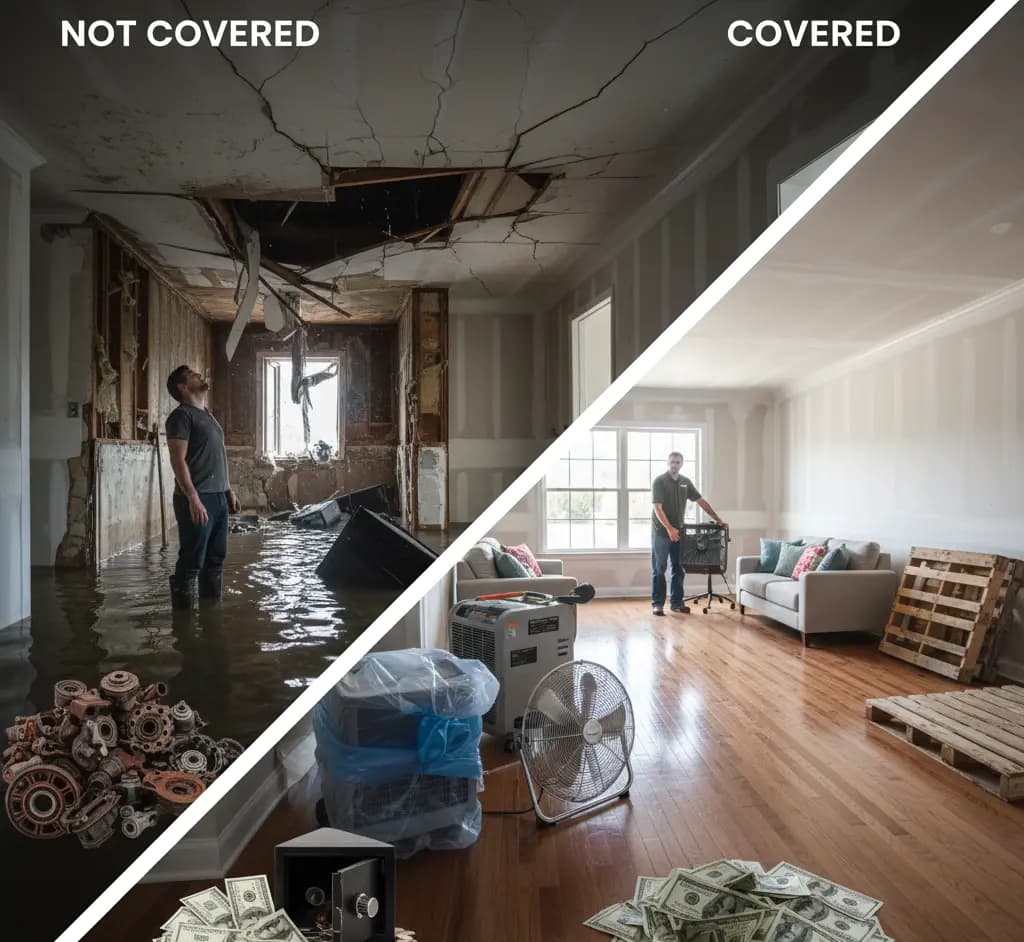
Floods are perhaps the most destructive natural disasters globally, and their occurrence is increasing with climate change, increasing sea levels, and volatile weather patterns. Millions of Americans reside in vulnerable flood areas, and most seek flood insurance as a safeguard. One of the most frequently asked questions by people is: What is not covered by flood insurance?
Although flood insurance is a must for homeowners, renters and business owners in flood-prone areas, it's not a universal answer. It surprises most policyholders to have claims denied because of policy exclusions. Knowing what isn’t covered by flood insurance can spare you from extreme financial shock following a disaster.
This guide lays out the fine print, deconstructs what's not covered under most flood policies, and provides clarity on how you can manage your coverage options. Let's get into the nitty-gritty so you're well aware before the next storm hits.
Quick Overview: What Flood Insurance Covers
Before knowing what flood insurance does not cover, it is necessary to learn what it does cover.
There are two general categories of flood insurance: National Flood Insurance Program (NFIP) policies and private flood insurance. Both generally cover:
- Structural damage (foundation, building elements, electrical and mechanical systems) for homeowners and business owners
- Basic contents (furniture, appliances, personal items) for homeowners, renters and business owners
Flood insurance comes into play when water from outside your home comes into it as a result of some natural occurrence—like heavy rain, storm surge, or overflowing rivers—and causes damage. Still, there are precise definitions of what constitutes a "flood," and not all water-related damages are covered. Because of this, knowing what flood insurance does not cover is as important as knowing what it does.
What Does Flood Insurance Not Cover?
The phrase “what does flood insurance not cover” becomes especially relevant when disaster hits and you're left responsible for damages you assumed were insured. Let’s examine the key exclusions:
1. Property Outside the Insured Building
Flood insurance generally does not cover personal property not inside a building and other items outside of the insured building such as:
- Fences, retaining walls, seawalls, wharves, piers, bridges and docks
- Pools, spas and hot tubs, including their equipment
- Driveways, walkways, decks, patios, and other surfaces
- Lands, lawns, trees, shrubs, and growing crops
- Sheds and outbuildings (unless separately insured)
- Underground structures and equipment, including wells, septic tanks and septic systems
These items, though costly, are usually excluded from most policies.
2. Basement Improvements and Belongings
One of the most common exclusions is basement coverage. Items not covered include:
- Finished flooring (tiles, carpets, hardwood, etc.)
- Finished drywall, paneling, and other finished wall materials
- Furniture, TVs, appliances, and other electronics
- Personal belongings that are used or stored in the basement
If you’re wondering what flood insurance does cover in basements, the answer is: only those things that are structural, unfinished or essential to the building.
Also covered under personal property/contents in the basement are some appliances that are installed in their functioning location and connected to a power source, such as clothes washers and dryers, food freezers, and portable air conditioning units.
3. High-Value Items
Flood insurance does not cover or limits coverage for:
- Articles of gold, silver or platinum
- Art, photographs, collectibles or memorabilia
- Jewelry, watches, precious or semi-precious stones
- Furs or any article containing fur that represents its principal value
- Accounts, deeds, bills, currency, money, coins, scrip, stored value cards, postage stamps, securities, bullion, manuscripts, or other valuable papers
These valuables require separate coverage or riders under a homeowner’s insurance policy.
4. Temporary Housing and Living Expenses
Unlike homeowner’s insurance, flood insurance does not typically cover additional living expenses like:
- Hotel stays
- Temporary rentals
- Meal costs or relocation expenses
This is a crucial gap many homeowners overlook. Private flood insurance may provide optional coverage to cover additional living expenses.
5. Vehicles and Trailers
Any flood damage to:
- Cars, motorcycles and other self-propelled vehicles or machines that are licensed for use on public roads
- RVs, campers, and travel trailers
Vehicles damaged by flood must be filed through comprehensive auto insurance.
6. Business Losses
If you run a home business and lose equipment or revenue due to flooding, flood insurance will not reimburse you for:
- Lost income
- Commercial machinery
- Business inventory
Separate business flood insurance is required for such coverage.
Common Misconceptions About Flood Insurance
Many myths about flood insurance cause confusion. Understanding these misconceptions will help you avoid costly surprises.
“Flood Insurance Covers Everything Below Ground”
Wrong. Finished basement elements, including carpeting, furniture and entertainment setups are not covered. Only unfinished elements and essential systems like HVAC, electrical, plumbing and water heaters may be covered.
“Mold from Flooding Is Automatically Covered”
False.Mold, mildew, and fungus damage are only covered if you took immediate action to prevent their growth. Negligence and failure to prevent may result in uncovered damage.
“All Water Damage Is Treated the Same”
Not true.Sewer backups, burst pipes, and leaky roofs are not considered “flooding” under insurance terms. These events must be covered by your renters', homeowners' or commercial property policy.
Does Flood Insurance Cover Basements?
Basements are a gray area in most policies. While they are part of your home’s structure, insurers often place strict limits on what’s covered. So, does flood insurance cover basements? It depends.
Typically Covered:
- Foundation, insulation and unfinished sheetrocks
- Electrical and plumbing systems
- HVAC, water heaters and furnaces
- Certain appliances (e.g., washers and dryers, food freezers)
Not Covered:
- Finished walls or floors
- Personal belongings used or stored in the basement
- Furniture or electronics
- Decorative finishes and custom designs
This limited coverage makes it critical for homeowners with finished basements to know what flood insurance does not cover in basements and adjust their plans accordingly.
What’s the Difference Between Flood and Water Damage Coverage?
Water damage and flood damage are not interchangeable terms in insurance.
- Water damage (from a burst pipe or appliance leak) is typically covered by homeowners', renters' or commercial property insurance.
- Flood damage (from rising water, tidal surge, or river overflow) requires a flood insurance policy.
If a rainstorm leads to flash flooding, that’s covered under flood insurance. But if a tree falls and breaks a water pipe, your homeowners' policy would respond. This distinction is key to answering what flood insurance does not cover, because many flooding incidents fall outside its scope.
How to Fill the Gaps in Flood Insurance
Now that you know what flood insurance does not cover, you can take steps to minimize your risks:
- Add endorsements: Consider buying sewer backup or sump pump failure coverage.
- Opt for private flood insurance: These plans may offer broader coverage than NFIP policies.
- Insure valuables separately: Items like art, jewelry, or collectibles need individual policies.
- Inventory your belongings: Keep records, receipts, and photos to make claims easier.
Being proactive helps you stay protected, even if your primary policy has gaps.
FAQs
1). What does flood insurance not cover in basements?
2). Does flood insurance cover sewer backup?
3). Are fences and sheds covered by flood insurance?
4). Why doesn’t flood insurance include living expenses?
5). What does flood insurance cover for renters?
6). Does flood insurance cover mold and mildew damage?
7). Are vehicles covered by flood insurance?
8). What does flood insurance not cover if I own a business at home?
9). What’s the difference between NFIP and private flood insurance?
Conclusion
So, what does flood insurance not cover? More than you might think. From outdoor structures to basement furnishings and temporary living costs, standard policies leave out many items.
To summarize:
- Read your flood policy carefully.
- Don’t assume all water damage is covered.
- Know what is and isn’t covered in your basement.
- Talk to an insurance agency, Advantage Flood, about endorsements or additional coverage.
Understanding exclusions gives you peace of mind and the ability to prepare your home and finances for the unexpected.