Why Every Business Needs Commercial Flood Insurance: Risks, Costs & Coverage
Why every business needs commercial flood insurance to avoid flood risks, control costs, and protect against coverage gaps. Flood insurance matters for businesses everywhere.
Why Flood Insurance Matters for Businesses
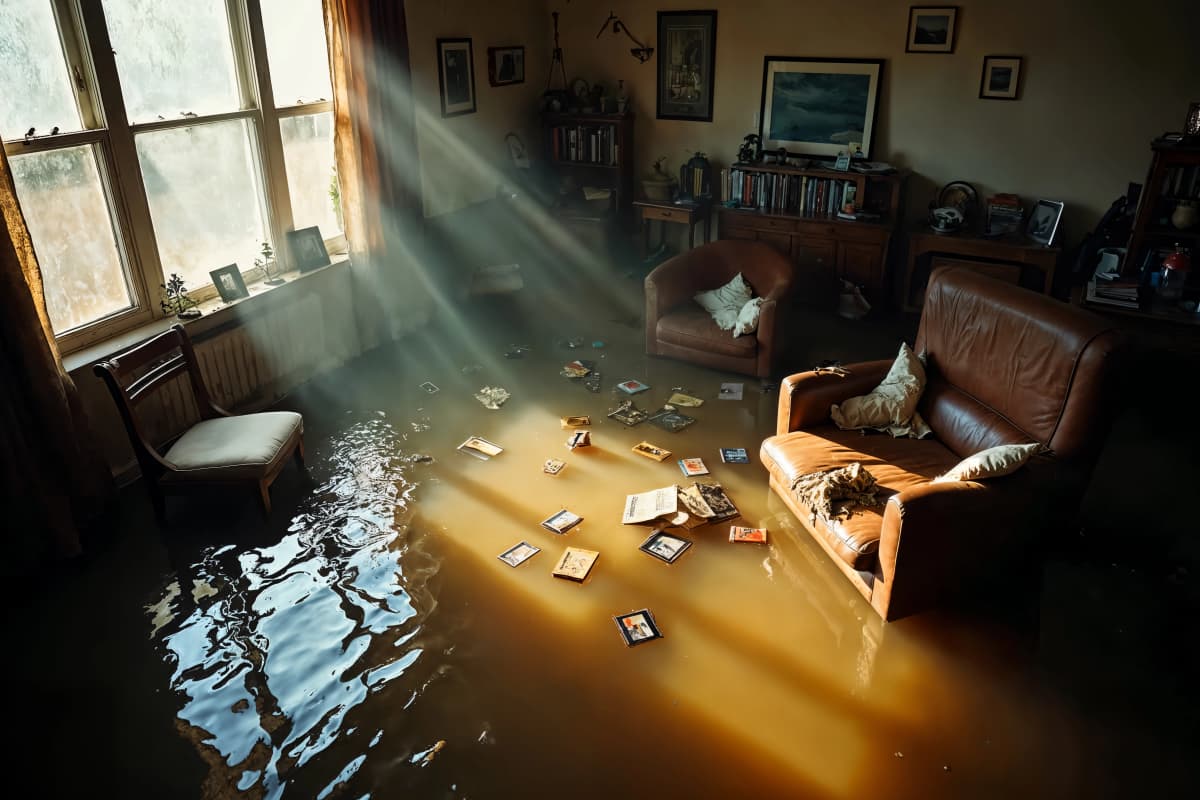
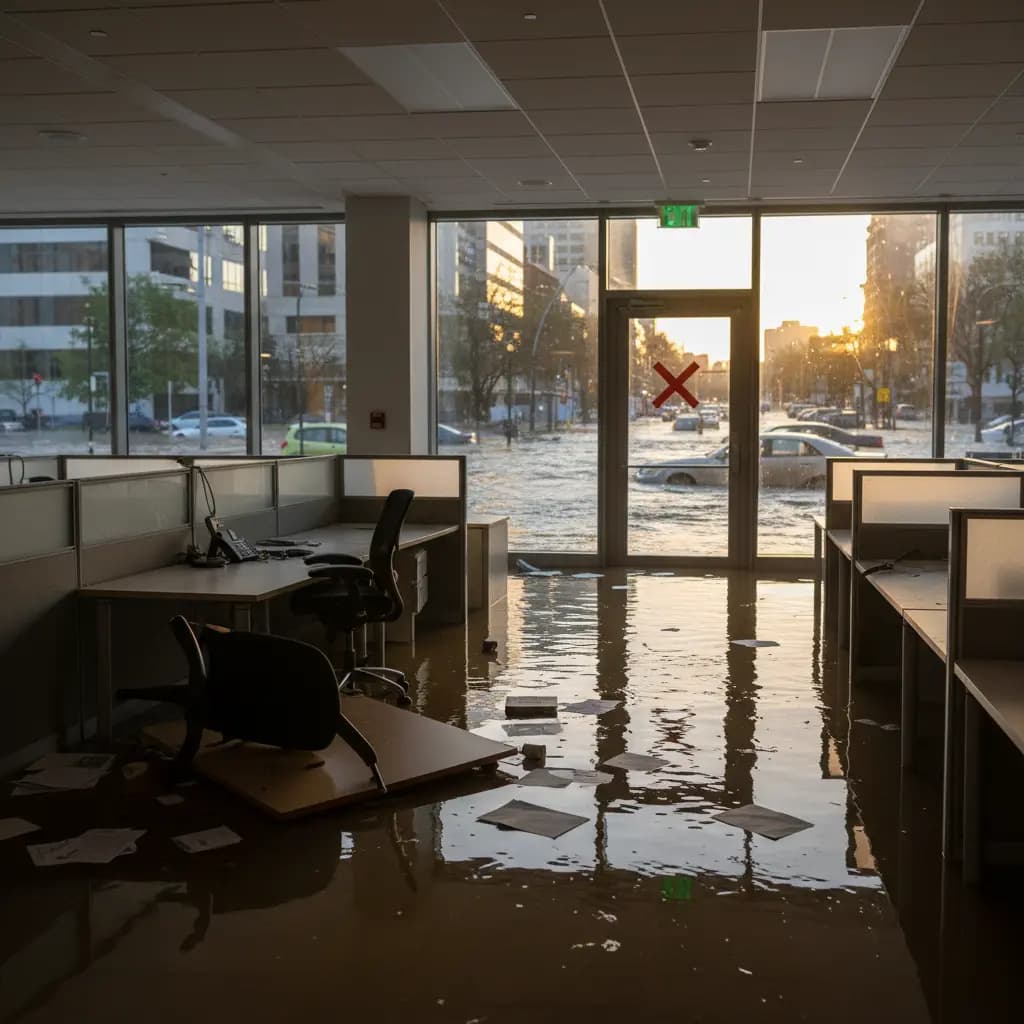
Flooding is the most frequent and expensive natural disaster in the US, and its effect on businesses is increasing annually. Coastal hurricanes and inland flash floods don't discriminate; water damage can hit at any moment, and business owners are left with massive repair costs and weeks, if not months, of lost revenue. What most business owners don't know is that the majority of standard business insurance policies exclude flood damage altogether. That means even when you've purchased a comprehensive commercial property or general liability policy, you might still be 100% liable for replacing stock and equipment, restoring your building, and paying downtime expenses that result from a flood.
As climate change spurs more powerful storms, irregular rainfall, and elevated sea levels, the danger of flooding is now not just in high-risk areas. Even those businesses away from rivers and coastlines are beginning to see greater exposure. FEMA estimates almost 30% of flood claims result from moderate to low-risk areas. In this guide, we'll cover everything you need to know about flood insurance for commercial businesses . We'll cover what it is, how it insures your business, the actual risks of not having it, how much it generally costs, and why you should think about it, regardless of where you're located.
Understanding Commercial Flood Insurance
At its core, commercial flood insurance is a policy designed to protect businesses from financial losses caused by flooding, which is something your regular commercial property policy may not cover.
While it works on the same principle as residential flood insurance, commercial coverage is tailored for business needs, providing coverage for your building but also the assets that keep your business running, from inventory and equipment to essential systems like HVAC, electrical, and plumbing.
NFIP vs. Private Flood Insurance
Commercial flood insurance can be accessed through two principal means:
- National Flood Insurance Program (NFIP) –This policy provides standardized rates and coverage amounts based on your flood-risk, building characteristics, and location.
- Private Flood Insurance –Policies tend to be more customizable, sometimes with greater coverage limits and optional coverages.
Who Needs Commercial Flood Insurance?
Every business that is at risk of flood-related damage needs commercial flood insurance. Some examples of such businesses include:
- Shops and restaurants in hurricane-prone states like Florida, Texas, and Louisiana
- Warehouses with large amounts of stock on the ground floor
- Offices and medical offices in places where stormwater systems are old or inadequate based on increased development
- Factories that are close to rivers, streams or lakes
Even if your business isn’t in a FEMA-designated high-risk zone, you’re not off the hook. Heavy rainfall, clogged drainage, or nearby construction can trigger flash floods in areas that have never experienced them before.
Look at commercial flood insurance as a safety net for your livelihood. It won’t stop the water from coming, but it can keep a disaster from turning into financial ruin.
Hidden and Direct Risks of Flooding to Your Business
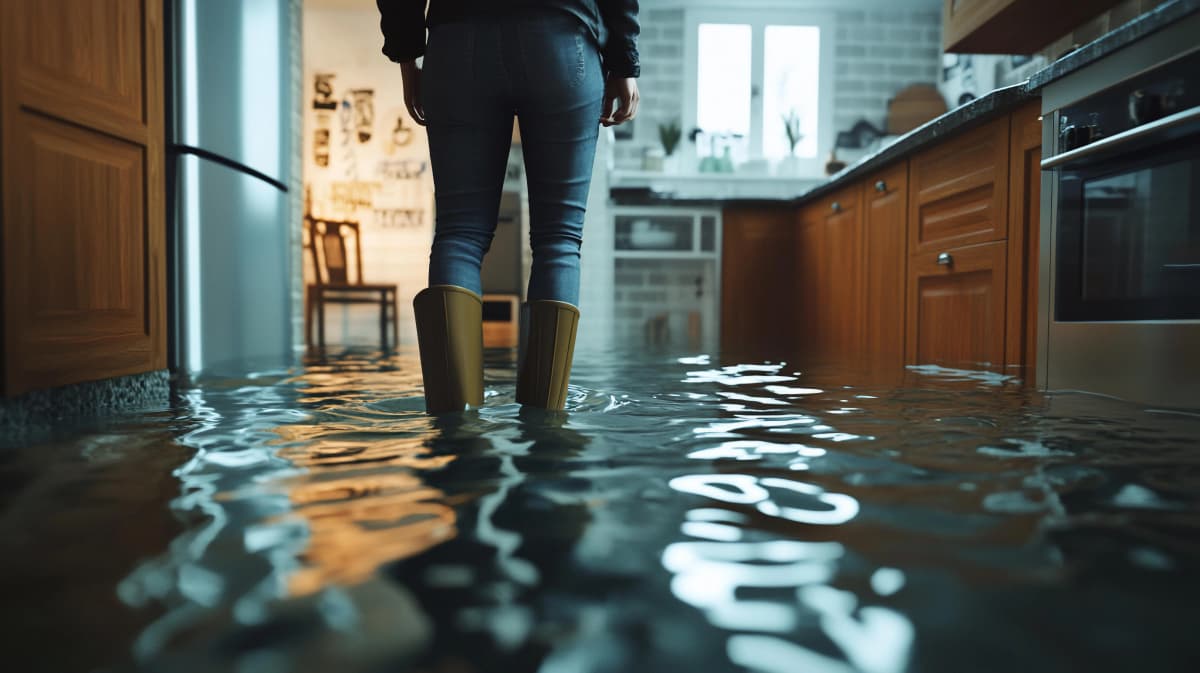
When most business owners think of flooding, they picture ankle-deep water and damaged furniture. The reality? Floods are far more destructive and costly than most people realize.
According to FEMA, just one inch of water inside a residential property can cause more than $25,000 in damage. Think how much damage one inch of water can do inside a commercial property with hundreds of thousands of dollars of furnishings, equipment and stock. That’s without factoring in the ripple effects that can keep your business closed long after the water recedes.
The Obvious Risks
These are the damages you can see (and they can add up quickly):
- Structural damage to walls, floors, and foundations
- Ruined inventory and equipment, sometimes worth hundreds of thousands of dollars
- Destroyed electrical, plumbing and other mechanical systems
- Loss of heating, ventilation, and air conditioning (HVAC), making the building unusable until repaired
The Hidden (and Often Overlooked) Risks
Flooding also brings along costs that sneak up on you:
- Downtime and lost revenue – Every day your doors stay closed means sales that never come back
- Data loss – Paper files, servers, and electronics can be destroyed if not backed up off-site.
- Mold and contamination – Standing water creates ideal conditions for mold, which can halt reopening and require costly remediation.
- Legal liabilities –If a customer or employee is injured during or after the flood due to unsafe conditions, you could face lawsuits
The Domino Effect on Small Businesses
Small and mid-sized businesses are particularly vulnerable. Without flood coverage, paying for repairs out of pocket can lead to:
- Taking on high-interest loans to rebuild
- Delaying payroll or losing staff.
- Permanent closure (a relatively common occurrence, FEMA notes that nearly 40% of small businesses never reopen after a disaster)
What Commercial Flood Insurance Covers (And What It Doesn’t)
Commercial flood insurance has clear boundaries. Understanding those boundaries before disaster strikes can save you from costly surprises.
What’s Typically Covered
A standard commercial flood policy will usually cover damage from flood to:
- Structural items, including walls, floors, ceilings, etc.
- Essential systems such as electrical, plumbing, and HVAC.
- Inventory and business contents, such as equipment, furniture, and stock.
- Foundation repairs.
- Debris removal and cleanup.
What’s Usually Not Covered
There are essential gaps you should be aware of. Most commercial flood policies will not cover:
- Vehicles (you’ll need a separate auto policy for that).
- Outdoor property, such as signage, landscaping, and fencing.
- Business interruption or loss of revenue, unless you’ve purchased an optional add-on.
- Water damage from inside the building (like burst pipes). That’s handled by standard property insurance.
- Cash, essential papers, and stock certificates.
- Mold or mildew damage unless it’s directly caused by a covered flood and steps were taken to prevent it.
The Optional Coverage That’s Worth It
If there’s one add-on worth serious consideration, it’s Business Interruption or Loss of Income coverage. Even if your building is repaired quickly, you could lose weeks or months of income while operations are shut down. This coverage can help pay rent or mortgage costs, keep staff on payroll, and cover other ongoing costs during the downtime.
In short, having flood insurance is vital, but knowing exactly what it covers (and doesn’t) is equally essential. The best time to review the fine print is before the water rises, not after.
Cost of Commercial Flood Insurance
When business owners think about insurance, the first question is often: “How much will this set me back?” The answer with commercial flood insurance is… it depends.
Several factors influence your premium:
- Location and Flood Risk:If your business is in a high-risk FEMA flood zone (like Zones A, AE, or VE), expect to pay more than a business in a moderate to low risk area. FEMA’s Flood Insurance Rate Maps (FIRMs) are the go-to reference for determining your zone.
- Building Value and Contents: A larger, more expensive building, or one packed with valuable inventory, will naturally require more coverage, and that pushes the cost up.
- Coverage Limits: Higher limits mean higher premiums. Many businesses choose to insure both the structure and the contents, but you can opt for one or the other depending on your needs and budget.
- Deductible Chosen: Selecting a higher deductible can reduce your annual premium, but it also means more out-of-pocket costs when you have a flood loss.
- Building Characteristics: Certain building characteristics may be considered higher risk. For example, restaurants, retail stores, and warehouses are often single story with mechanical systems, furnishings and inventory at ground level often pay more than multi-story office-based businesses.
If you’re unsure where your business stands, a quick check of your FEMA flood zone and a conversation with an insurance agent can give you a realistic number, and possibly save you a significant financial headache down the road.
Why Every Business Should Consider Commercial Flood Insurance (Even in Moderate to Low-Risk Areas)
It’s a common misconception that flood insurance is only for businesses near the coast or along a river. The truth? About 30% of all flood claims come from moderate to low-risk areas, according to FEMA.
Here’s why that matters:
- Weather patterns are shifting. Climate change is increasing the frequency of intense rainstorms, flash floods, and urban flooding, even in places with no history of them.
- Standard commercial insurance won’t help. Most general property insurance policies exclude flood damage entirely, which means you could be left footing the bill.
- One flood can break a small business. Between property damage, lost inventory, cleanup costs, and downtime, even a minor flood can wipe out months (or years) of profit.
Think of it this way: flood insurance is an integral element of your business continuity plan. It gives you the means to recover without draining your savings, maxing out loans, or closing your doors for good.
Even if you’re in a moderate to low-risk area, your premiums are typically lower, making coverage surprisingly affordable. And if you never use it? That’s the best-case scenario. But if you do need it, it could mean the difference between a quick recovery and shutting down permanently.
FAQs
1). Does my standard commercial property insurance cover floods?
2). How much does commercial flood insurance typically cost?
3). My business is in a ‘low-risk’ flood area. Do I require flood insurance?
4). What does commercial flood insurance typically cover?
5). How do I determine which FEMA flood zone my business is located in?
Conclusion: Don’t Wait Until After the Flood
Flooding is one of the most financially devastating disasters a business can face, but it is also one of the most underinsured risks. Whether your business is on the coast, in a river valley, or miles inland, the potential for costly damage is very real. A single flood can wipe out years of investment and hard work. Having business flood insurance implies that if disaster strikes, you can bounce back faster, safeguard your employees, and continue to serve your customers without financial burdens that could cripple your operations.
That’s where Advantage Flood comes in. We specialize in helping businesses of all sizes find the right flood coverage at competitive rates. Our team of experts will take you through all options available to you and help you secure a flood insurance policy tailored to your exact risk profile.