Causes of Flooding: What Are the Causes of Flooding and How to Prepare
Learn the main causes of flooding, what causes floods, and how to prepare before flood risks impact homes, lives, and property. Stay informed and ready.
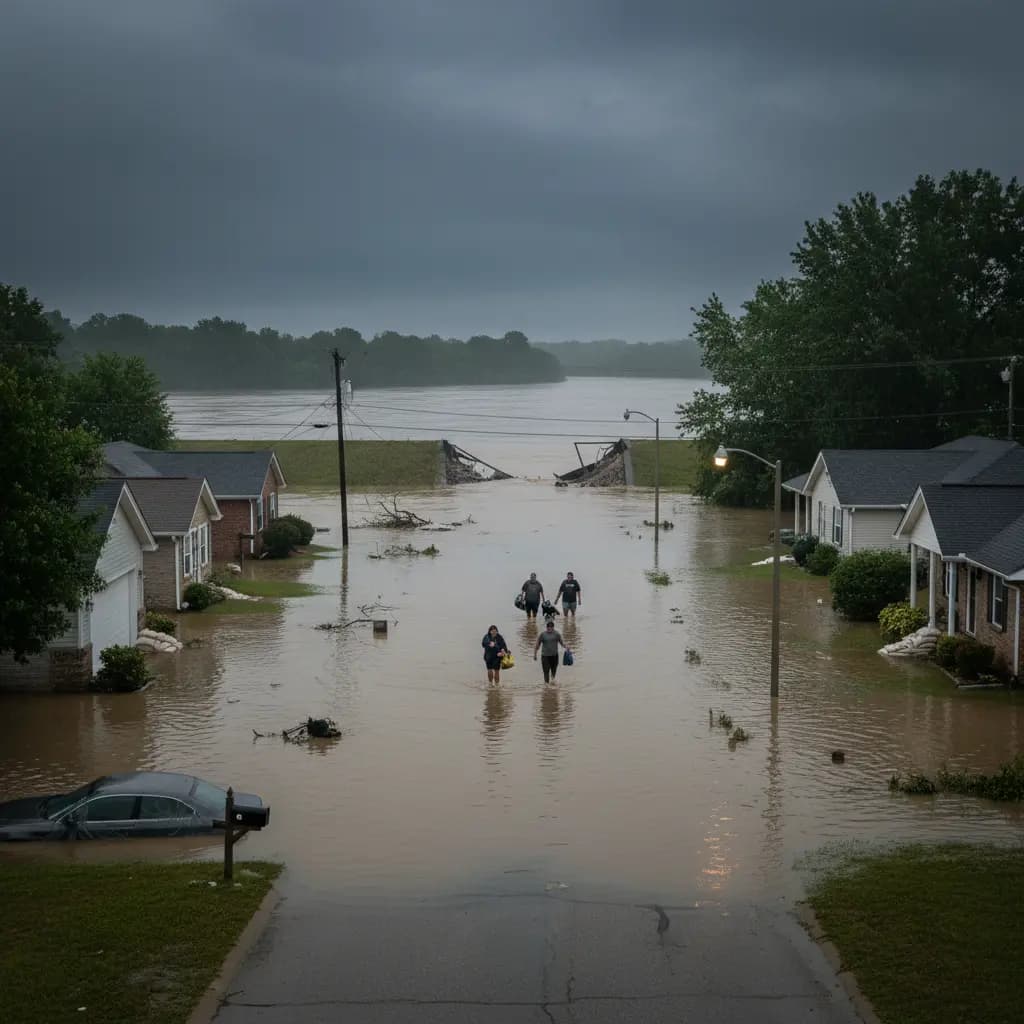
In recent years, the United States has experienced an increase in severe flood occurrences, ranging from Hurricane Helene's catastrophic impact in Florida and North Carolina to the persistent flooding in Houston, which submerged entire neighborhoods. These calamities have left many homeowners and renters wondering, "What are the causes of a flood?” and “How can I protect my property?" Understanding the causes of flooding is a crucial step toward developing risk awareness, preparing for potential disasters, and making informed decisions about flood insurance. In this post, we'll examine the causes of a flood, discuss why understanding them is important, and outline how to prepare before it's too late.
What Are the Main Causes of Flooding?
To completely understand the causes of a flood, it's essential to consider both natural and man-made factors. Each plays a pivotal role in shaping flood risk across the United States, and understanding them can help you take the necessary steps to protect your home and family. If you've ever wondered what the causes of a flood in your area are, you're not alone; this is a question every property owner asks.
Natural Causes of Flooding
1. Heavy Rainfall
Heavy or persistent rainfall is one of the most typical causes of a flood. When rain falls faster than the ground or drainage systems can handle, water pools and flows across the land, inundating streets,homes, and businesses. Flash floods can form within minutes of heavy rain, particularly in metropolitan areas with poor drainage. In rural areas, saturated earth cannot absorb additional water, resulting in widespread flooding. This is one of the most common sources of flooding, and it can happen anywhere.
2. Tropical Storms and Hurricanes
Tropical storms and hurricanes are well-known for producing huge quantities of rain, along with storm surges that are incredibly strong. These weather phenomena can drop several feet of water in a matter of days, inundating drainage systems and leading to devastating flooding along coastlines as well as inland. Much damage from hurricanes is due to flooding, not wind. Among all the reasons for floods, hurricanes rank among the most destructive.
3. Snowmelt and Ice Jams
In colder places, spring snowmelt can cause torrents of water to flood into rivers and streams. When temperatures rise rapidly, snow and ice melt faster than the earth or streams can absorb, resulting in floods. Ice jams, in which chunks of ice obstruct river movement, can also cause water to back up and flood neighboring areas. These are frequently neglected sources of flooding, which can catch communities off guard. Snowmelt is a major source of flooding in northern states.
4. Overflowing Rivers and Lakes
Rivers and lakes naturally rise and fall, but excessive rainfall, snowmelt, or upstream dam releases can cause them to overflow their banks. This is a leading cause for flooding in many parts of the Midwest and along major river systems like the Mississippi. When rivers breach their levees, the resulting floods can cover vast areas and persist for days or even weeks. This is one of the causes of floods that can impact both rural and urban communities.
Man-Made Causes of Flooding
1. Poor Urban Planning / Drainage Systems
Urban construction often trades natural ground for concrete and asphalt, which are not water-absorbing. Drainage systems constructed poorly can't handle much rain, so urban areas experience flooding even during small storms. This is a growing issue in rapidly expanding cities, where floods are often caused due to aging infrastructure. Poor drainage is one of the most prevalent reasons cities experience flooding.
2. Dam Failure
Dams and levees that are old or not properly maintained might fail, causing large amounts of water to flow downstream. Dam failures are uncommon but can be among the most disastrous causes of flooding, as demonstrated by failures in May 2020 of the Edenville & Sanford Dams in Michigan, June 2024 of the Rapidan Dam in Minnesota, and September 2024 of the Lake Lure Dam in North Carolina. The reasons for dam failure differed with each event, but all led to the abrupt release of water that flooded areas with little warning.
3. Deforestation and Soil Erosion
Removing trees and vegetation reduces the land’s ability to absorb water. Soil erosion further decreases absorption, increasing runoff and the risk of flooding. Deforestation, whether from wildfires, logging, or agriculture, is a significant often man-made cause for flooding, especially in hilly or mountainous regions. These causes of floods are becoming more common as land use changes.
4. Climate Change
Rising global temperatures are increasing the frequency and severity of extreme weather events. Climate change is widely recognized as playing a significant role in the rising frequency and severity of floods in the United States. Warmer air retains more moisture, resulting in greater rainfall, while rising sea levels raise the risk of coastal floods. Understanding the influence of climate change is critical for determining what can be the causes of floods in the modern age. Climate change is one of the most pressing flood-related issues.
High-Risk Flood Zones in the U.S.
Not all areas face the same risk of flooding. FEMA has mapped the country into flood zones, with Zones A and V representing the highest risk. Living in a high-risk flood zone means you’re more likely to experience flooding during your property’s lifetime. These zones are determined by analyzing what the causes of a flood are in each region, including rainfall patterns, river proximity, and historical flood data.
Terrain, urban development, and proximity to coastlines or rivers all play a role in flood risk. For example, low-lying coastal cities like New Orleans and Miami are especially vulnerable, as are rapidly growing urban areas with limited drainage infrastructure. Even areas far from the coast can be at risk due to river flooding or snowmelt.
Why Knowing the Cause of Flooding Matters
Understanding what causes flooding has real-world implications for your safety and financial security.
- Selecting the Right Flood Insurance:Different sources of flooding or flood risk may necessitate different forms of coverage. For example, NFIP flood insurance provides limited coverage in a basement, so you might want to look at private flood options to better address your risk.
- Home Construction Decisions:Understanding your flood risk might influence where and how you build or repair your home, such as by raising structures or mechanicals.
- Emergency Planning:Understanding the causes of floods in your area allows you to develop effective evacuation and communication plans.
- Preventing Loss:The more you understand the causes of floods, the better you can keep your loved ones safe and protect your home from damage.
For property owners, knowing what the causes of a flood are can mean the difference between a quick recovery and a devastating loss. It also helps you choose the right insurance policy, prepare your home, and keep your family safe. If you’re still asking what causes flooding, remember: knowledge is your best defense.
How to Prepare for Flooding
Preparation is key to minimizing the impact of floods. Here’s how to get ready—before, during, and after a flood event. No matter what causes flooding in your area, these steps can help.
1. Before a Flood
- Buy flood insurance:Do not wait until a storm is predicted. Most of the policies have a 30-day waiting period. Contact our team of experienced flood insurance advisors at Advantage Flood to understand which insurance plan works best for you.
- Seal basement cracks:To keep water out, use a waterproof sealer.
- Keep valuables elevated:Place critical documents and valuables on higher shelves or upper floors.
- Emergency kit checklist:Include water, portable phone chargers, non-perishable food, medications, flashlights, batteries, and first aid items.
- Sign up for weather alerts:To stay informed, use the NOAA or local alert systems.
2. During a Flood
- Evacuation tips:Always follow local evacuation orders swiftly. Know your routes and make a strategy for pets.
- Avoid driving in water:Even six inches of rushing water can knock you down, and a foot of water can sweep away your vehicle.
- Communication plans:Keep your phone charged and have a backup power supply. Inform your relatives and friends about your current status.
3. After a Flood
- Safety first:After a flood, prioritize safety and avoid turning on electricity until your home has been examined.
- Document damage:Take photos and videos of all damage to support insurance claims.
- Contact your insurance provider:File your claim as soon as possible.
- Mold prevention:Dry out your home quickly to prevent mold growth
Taking these steps can help you minimize the impact of flooding and expedite your recovery after an event. No matter what the causes of a flood are, preparation is your best protection.
The Role of Flood Insurance in Managing Flood Risk
Regardless of the cause of a flood in your area, obtaining the appropriate insurance is essential. Flood damage is most likely not covered by standard homeowners insurance, leaving you liable for considerable financial losses in the event of a flood. This gap is addressed by flood insurance, which covers damage resulting from a flooding event. Climate change is increasing the frequency and intensity of floods, making flood insurance more critical than ever. Check your policy's terms to see if the cause of the flooding event in your area is covered by your policy.
Flood insurance policies often cover both your structure and, in some situations, your contents or personal property. The cost of coverage varies depending on your flood zone, property value, other unique characteristics of your property, and the potential causes of flooding in your area.
Advantage Flood offers customized flood insurance solutions to protect your home and assets. Our specialists can help you assess your risk, select the appropriate policy, and ensure you are prepared for any flood-related events that may occur. If you're still unsure about the reasons for a flood that could harm you, our staff can help you assess your risk.
Conclusion
Floods can strike with little warning, but understanding the causes of a flood gives you the power to prepare and protect what matters most. From heavy rainfall and hurricanes to urban development and climate change, the causes of flooding are varied, but the solution starts with awareness and action. If you've ever asked what causes flooding, now you know, and you can act to protect your property against the financial impacts of flood damage with flood insurance.