Coastal Flooding Explained: How to Use a Flood Map to Protect Your Property
Understand coastal flooding and learn how a coastal flood map helps identify risk zones and protect your property from potential flood damage.
Introduction
Coastal flooding is increasingly occurring and causing fatalities among families and neighborhoods along the coast. Climate change is fueling sea-level rise and strengthening storm systems, putting once-safe structures at higher risk of flood damage. Knowing your risk is vital for safety, planning, and financial security. Coastal flood maps are one of the most useful tools to help determine flood risk. This blog will discuss coastal flooding in detail, including its worsening effects and how to utilize a coastal flood map to safeguard your residential orcommercial property and prepare for impending threats.
What Is Coastal Flooding?
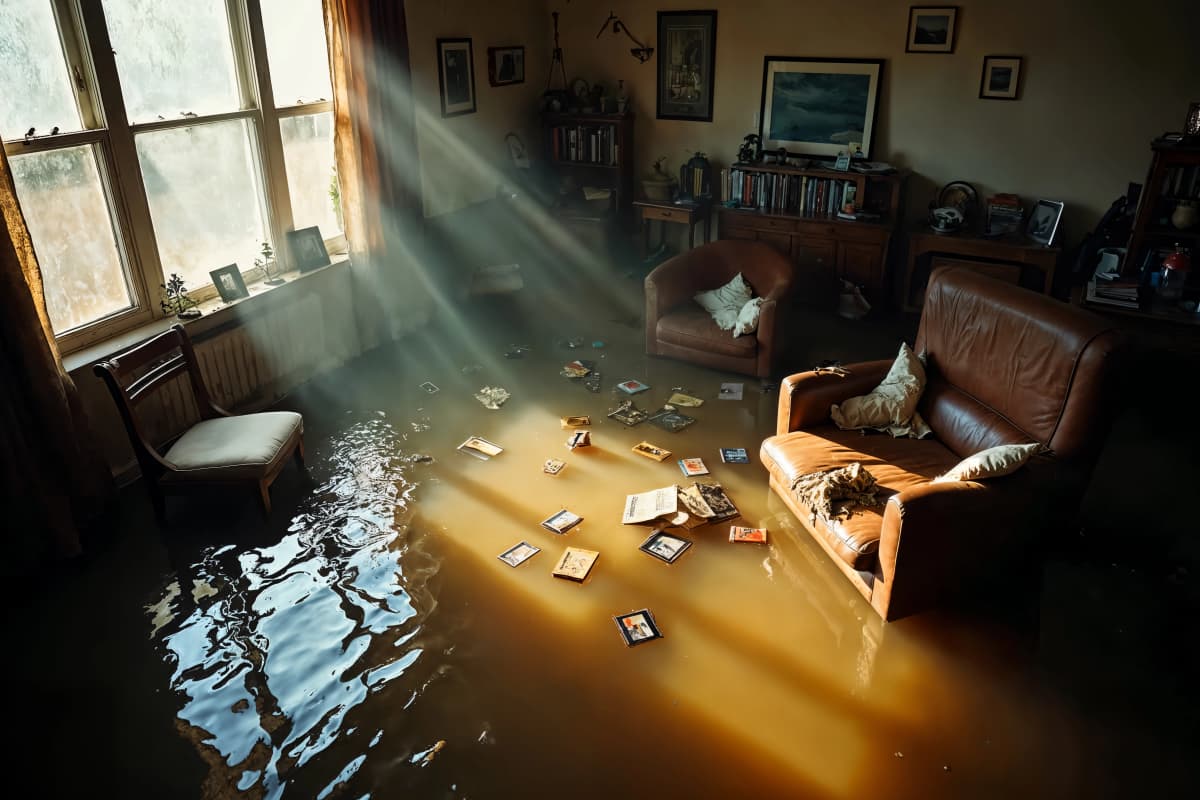
Coastal flooding is the flooding of coastal areas caused by a rise in ocean water. These events are most often triggered by storm surges of hurricanes or cyclones, high water levels with powerful winds, or even tsunamis. Coastal flooding is slow or rapid and can occur over hours or days, depending on the intensity of the storm and local topography. Coastal flooding, unlike river flooding caused by bank overflow from rain, is induced by marine sources. Cities like Miami, New York, and New Orleans are among the most notable examples of coastal flooding that threaten lives and infrastructure. The impacts are not confined to huge cities alone; even small beach communities and low-lying suburbs can be severely damaged by coastal flooding incidents.
Why Coastal Flooding Is Getting Worse
Several interconnected factors have contributed to the increasing frequency and intensity of coastal flooding. Climate change plays a central role in raising global sea levels. As glaciers and ice caps melt, more water is added to the oceans, resulting in higher tides and a greater potential for overflow during storm events. In addition to sea-level rise, warming oceans contribute to more powerful and wetter storms, which further aggravate the impact of coastal flooding.
Urban development along coastlines has also exacerbated the issue. As more people move to scenic waterfront areas, natural barriers such as wetlands and dunes are being replaced by concrete, reducing the land's natural ability to absorb excess water. This overdevelopment increases runoff and leaves communities more vulnerable when storms strike. Coastal flooding is no longer a seasonal risk, but is becoming a year-round concern with widespread implications for both human and environmental health.
What Is a Flood Map?
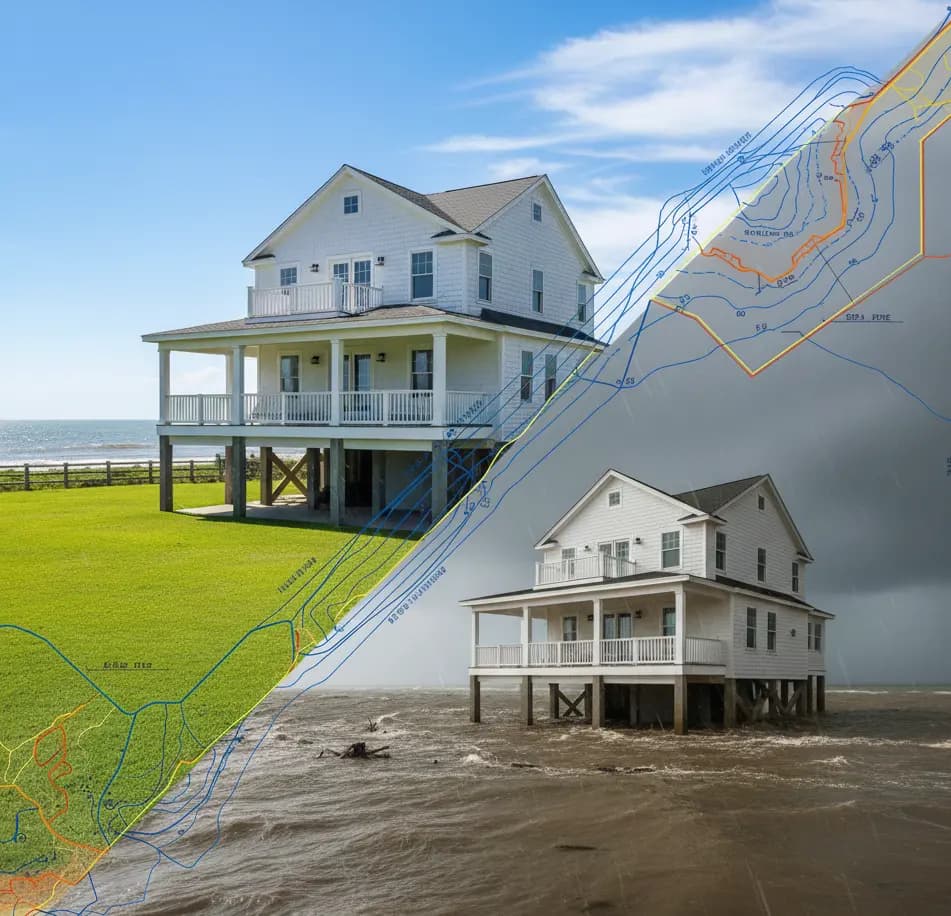
A flood map describes the probability of flooding in various areas. FEMA is generally responsible for preparing such maps using topography data, historical flooding patterns, storm surge models, and sea level trends. The flood maps group areas into different zones of flood risk, from high-hazard to moderate or low-risk zones. Each of these flood zones is assigned a letter code, such as AE, VE, or X, which corresponds to distinct probabilities of flooding and anticipated water depths.
The flood map also contains information regarding base flood elevation (BFE), defined as the calculated elevation to which floodwater is expected to rise when a base flood occurs. Knowing BFE compared to your property's elevation can help estimate how susceptible your house is to flooding. The flood map is an essential tool not only for homeowners but also for insurers, lenders, real estate professionals, and urban planners.
How to Use a Flood Map to Protect Your Property
Enter your address to start finding your property on the flood map FEMA Flood Map Service Center | Search By Address. Your location will be highlighted on the map, along with the designated flood zone. You are much more likely to experience coastal flooding if your home is located in a high-risk flood zone, such as VE or AE, than in a lower-risk area. Knowing this helps you make crucial decisions about moving, property improvement, and insurance protection.
Second, calculate how much higher you are compared to the Base Flood Elevation (BFE). The risk from coastal flooding is much greater if your home is below or just above the BFE, and you might have to take additional safeguards. Flood maps are also essential resources when buying or selling a home near the coast. They give potential buyers a clear picture of the risks associated with the property and steps that need to be taken to minimize those risks.
Flood maps along the coast assist you in doing more than simply making you aware; they help you in taking action. Raising your home, installing flood vents, fortifying your foundation, or designing landscaping that will send water away from your structure are some things you can do. Employing the flood map ensures that your mitigation strategies address the actual risk level of your property.
Should You Get Flood Insurance Based on Flood Map Results?
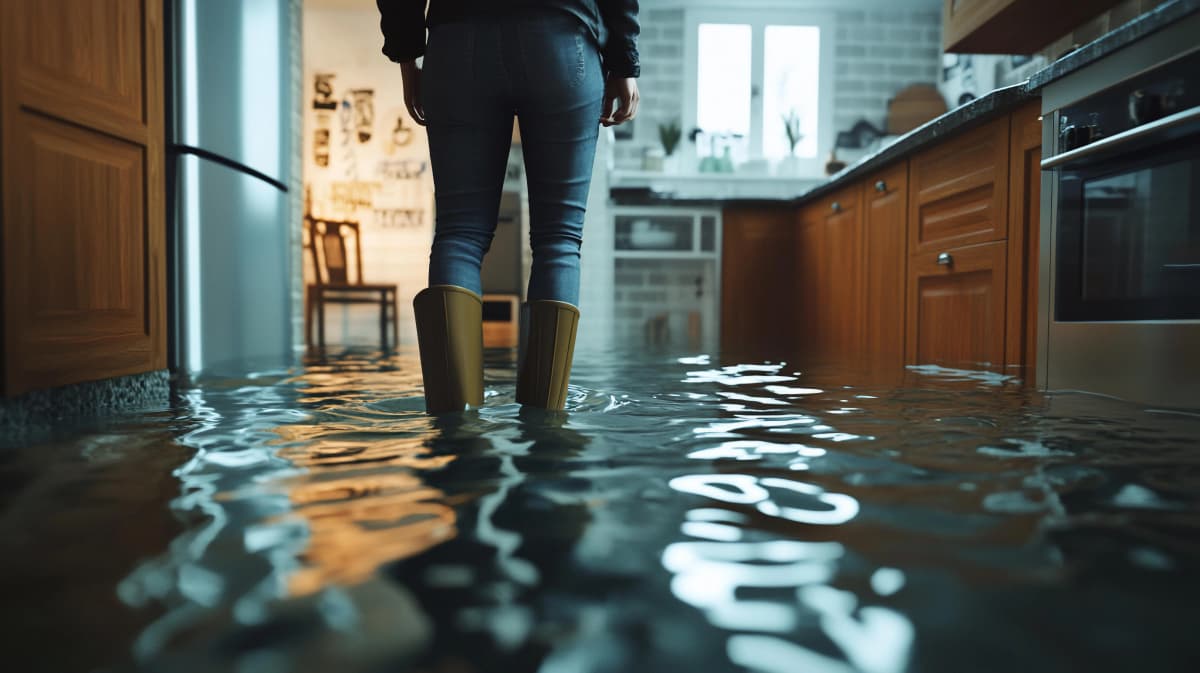
If the flood map places your home in a high-risk zone, purchasing flood insurance may be mandatory. Mortgage lenders often require homeowners in flood-prone areas to carry flood insurance as a condition of the loan. However, even if insurance isn’t mandated, it's still recommended. Standard homeowner insurance policies do not cover damage from floods, and even a few inches of saltwater intrusion can cause tens of thousands of dollars in damage.
The flood map plays a crucial role in determining your flood insurance premiums. Homes in higher-risk zones typically carry higher premiums, but steps like elevating your structure or obtaining an updated elevation certificate can reduce those costs. Both NFIP (National Flood Insurance Program) and private insurers rely on data from the flood map to assess flood risk and calculate premiums. So, whether you’re in a VE zone or on the fringe of an X zone, let the flood map guide your decisions regarding flood coverage and protection.
Tips for Staying Prepared
Preparation doesn’t end once you’ve checked your flood zone. Coastal flooding risks can change due to shifting weather patterns, local development, or updates in data. Therefore, it’s essential to periodically review the flood map, especially after FEMA issues new revisions. Make it a habit to monitor changes in your flood zone classification and update your insurance accordingly.
Keep your elevation certificate accessible as this document can influence your flood insurance costs and serves as official verification of your property’s elevation. Also, develop an emergency plan tailored to coastal flooding scenarios. Know your evacuation route, stock up on flood supplies, and ensure your home is ready to weather storms. There are also grants and government programs available to assist with flood-proofing and mitigation projects, and exploring those options can yield both safety and financial benefits.
FAQs
1). What is coastal flooding, and why is it dangerous?
2). How does a flood map help homeowners?
3). What is the difference between coastal flooding and inland flooding?
4). Can a flood map predict when flooding will happen?
5). Should people outside high-risk zones worry about coastal flooding?
6). How often are flood maps updated?
7). Is coastal flooding only a concern during hurricane season?
8). Can I challenge the flood zone assigned to my property?
9). What should I do after finding my property in a high-risk zone on the flood map?
10). Are flood maps useful for real estate investment?
Conclusion
As sea levels rise and storms intensify, coastal flooding has evolved into a pressing threat that affects millions of property owners and renters. While we can’t prevent the sea from encroaching on our lands, we can prepare for it wisely. Flood maps are among the most effective tools we have for identifying risk, planning, and protecting both our homes and our peace of mind. By understanding how to read these maps and applying their insights to real-world decisions such as securing insurance or implementing flood mitigation efforts, we can significantly reduce our vulnerability. Staying informed, proactive, and prepared is an optimal defense against the unpredictable forces of coastal flooding.
Advantage Flood makes it easy to get reliable flood insurance tailored to your coastal needs. Get a fast, free quote today and stay protected before the next flood hits.