Do Hurricanes Cause Floods? Understanding the Risks and Insurance Coverage for Hurricane-Related Floods
Learn about hurricane flood risks, how do hurricanes cause floods, and what insurance coverage protects your property from hurricane-related flooding
Introduction
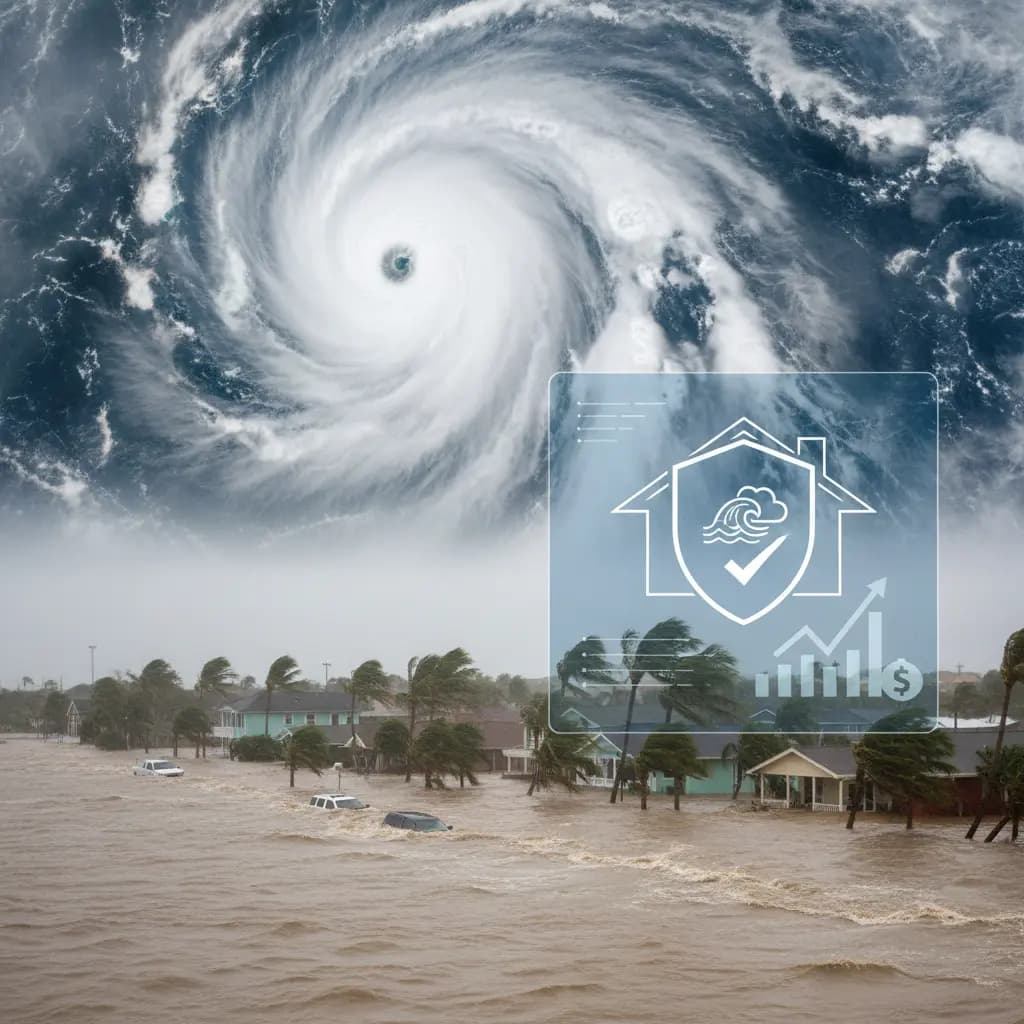
When a hurricane approaches, most people focus on wind speeds and storm categories. However, some of the most devastating damage from hurricanes comes from an often-overlooked source: flooding. Hurricane-related flood events have caused billions in damage across the United States, yet many homeowners remain unprepared for this dual threat. While everyone asks, "Do hurricanes cause floods?" the answer is not just yes, but an emphatic warning that these flood events can be more destructive than the winds themselves.
Many families are at risk because they don't know the difference between hurricane damage and flood damage, especially when they find out that their regular homeowners’ insurance doesn't cover flood damage. Understanding this essential distinction and obtaining the appropriate coverage may be the difference between recovery and financial disaster when the next storm strikes.
Do Hurricanes Cause Floods? The Science Behind It
Hurricanes are powerful systems that cause flooding through several processes. A hurricane-related flooding is usually caused by a mix of multiple factors rather than a single source. Hurricanes primarily produce flooding by storm surges, which can reach 20 feet or more, and heavy rainfall able to flood areas with more than 2 feet of water in a matter of hours.
Recent history provides stark examples of how hurricanes cause floods:
- Hurricane Harvey (2017):Dumped over 60 inches of rain in parts of Texas
- Hurricane Katrina:Storm surge reached 25-28 feet in some areas
- Hurricane Ian:Demonstrated the devastating potential of hurricane flood events
- Hurricane Helene:Caused extensive flooding in Florida, but also hundreds of miles inland with catastrophic impacts in Northwest North Carolina
Many people are unaware that hurricane-related flooding is not limited to the coastline. Hurricanes can cause flooding hundreds of miles away from the coast, posing considerable threats to inland areas. This happens because:
- Hurricanes maintain their moisture content as they move inland
- River systems can become overwhelmed by the massive rainfall
- Urban drainage systems often can't handle the volume of water
- Saturated ground can't absorb additional rainfall
Statistics show that flooding accounts for nearly 90% of hurricane-related damage in many cases, making flood insurance for hurricanes an essential consideration for both coastal and inland properties.
Types of Flooding Caused by Hurricanes
Understanding the different types of hurricane flood events helps property owners to stay prepared and protect themselves. Each type presents unique challenges and risks:
Storm Surge Flooding
- Storm surges occur as powerful hurricane winds push ocean water inland, forming a massive wall of water that can tear through buildings, roads, and infrastructure
- Storm surges are unstoppable and turns hurricanes into catastrophic events for coastal regions, leaving behind widespread devastation and flooding
Flash Flooding
- Happens when hurricanes dump massive amounts of rain in a short period
- Overwhelms drainage systems and natural waterways
- It can happen anywhere in a hurricane's path, not just along the coast
- Particularly dangerous due to little warning
River Flooding
- Caused by hurricane rains flowing into river systems
- Can persist for days or even weeks after the hurricane
- Affects communities far from landfall
Urban Flooding
- Caused by impervious surfaces in cities (pavement, buildings) prevents water absorption, leading to flooding
- This is why flood insurance is crucial even in cities far from the coast
Why Standard Homeowners Insurance Doesn't Cover Hurricane-Related Flooding
One of the most important things to remember regarding storm flood protection is that regular homeowners' insurance policies usually exclude flood damage. This creates a dangerous coverage gap that surprises many homeowners when they file claims after a hurricane-related flood event.
Here's the critical distinction:
- Homeowners' insurance typically covers: ✓ Wind damage from hurricanes
- But it DOES NOT cover: ✘ Flooding, even when that flooding is caused by a hurricane
This means if hurricanes cause floods that damage your home, you're not protected without specific flood insurance.
This separation between wind and water damage often leads to complicated claims processes, especially following hurricanes, where both types of damage occur simultaneously. That's why flood insurance for hurricane-related floods is essential for comprehensive protection.
Understanding Flood Insurance for Hurricanes
When it comes to protecting your property from hurricane flood damage, you have two main options:
- National Flood Insurance Program (NFIP)
- Private Flood Insurance
Here's a comprehensive comparison:
| Feature | NFIP Insurance | Private Flood Insurance |
|---|---|---|
| Coverage Limits | $250,000 structure / $100,000 contents | Higher limits are available |
| Waiting Period | 30 days typically | As little as 7 days |
| Coverage Options | Standardized | Customizable |
| Basement Coverage | Limited | More comprehensive |
| Additional Living Expenses | Not covered | Often included or available |
How to Assess Your Risk of Hurricane-Related Flooding
Understanding your risk of hurricane-related flood damage is crucial for proper preparation. Here’s how to evaluate your property's vulnerability:
Check FEMA Flood Maps
- Visit the FEMA Flood Map Service Center online FEMA Flood Map Service Center | Search By Address
- Enter your address to see your flood zone designation
- Remember: Even “moderate to low-risk” zones can experience hurricane-related flood events
Evaluate Your Location
- Distance from the coast or water bodies
- Elevation of your property
- Local drainage systems
- Historical flooding in your area
Remember, when hurricanes cause floods, they don’t discriminate between high-risk or moderate to low-risk flood zones. Even properties outside high-risk areas can experience significant flooding during hurricanes.
Preparing for the Next Hurricane: Insurance and Safety Tips
Proper preparation for hurricane-related flood events requires a comprehensive approach:
Insurance Preparation
- Review your flood insurance annually
- Understand your coverage limits and exclusions
- Keep policy information in a waterproof container and a digital copy
- Document your belongings with photos and videos
Property Protection
- Install flood barriers or sandbags before storms
- Elevate important items above potential flood levels
- Maintain proper drainage around your property
- Install backflow preventers and sump pumps
Emergency Planning
- Create an evacuation plan
- Keep emergency supplies ready
- Back up important documents to cloud storage
- Maintain an updated home inventory
FAQs
1). Do hurricanes cause floods in areas far from the coast?
2). What is the difference between hurricane-related flood damage and wind damage?
3). Does standard homeowners' insurance cover hurricane-related flood damage?
4). How does flood insurance for hurricanes work?
5). Do I need flood insurance for hurricanes if I live in a moderate to low-risk area?
6). What types of flooding can hurricanes cause?
Hurricanes can cause several types of flooding:
- Storm surge
- Flash flooding
- River flooding
- Urban flooding
Each type of hurricane-related flood presents unique risks to property owners.
7). How much does flood insurance cost?
The cost of flood insurance varies based on:
- Your location
- Flood zone and risk characteristics
- Property value
- Coverage limits
- Building construction/foundation type
Policies can start as low as a few hundred dollars per year but may be more in high-risk areas.
8). How do I know if I’m in a flood zone?
9). What should I do to prepare for a hurricane-related flood?
To prepare for a hurricane-related flood:
- Review your insurance policies
- Take a home inventory
- Install flood barriers, such as sandbags
- Keep important documents in a safe place
- Make sure your flood insurance is up to date
10). Can renters get flood insurance?
Conclusion
The question "Do hurricanes generate floods?" has a simple answer: yes, and these floods frequently inflict more damage than hurricane winds. As climate change increases the frequency and intensity of hurricanes, so does the risk of hurricane-related floods. Consider your protection alternatives before a storm approaches.
Standard homeowners insurance won’t cover hurricane-related flood damage. The time to secure flood insurance is now, before the next storm forms.