
FEMA Flood Insurance Deductible vs. Private Policy Options
Comparing a fema flood insurance deductible to private plans? Learn how your flood insurance deductible works and which option offers the best savings.
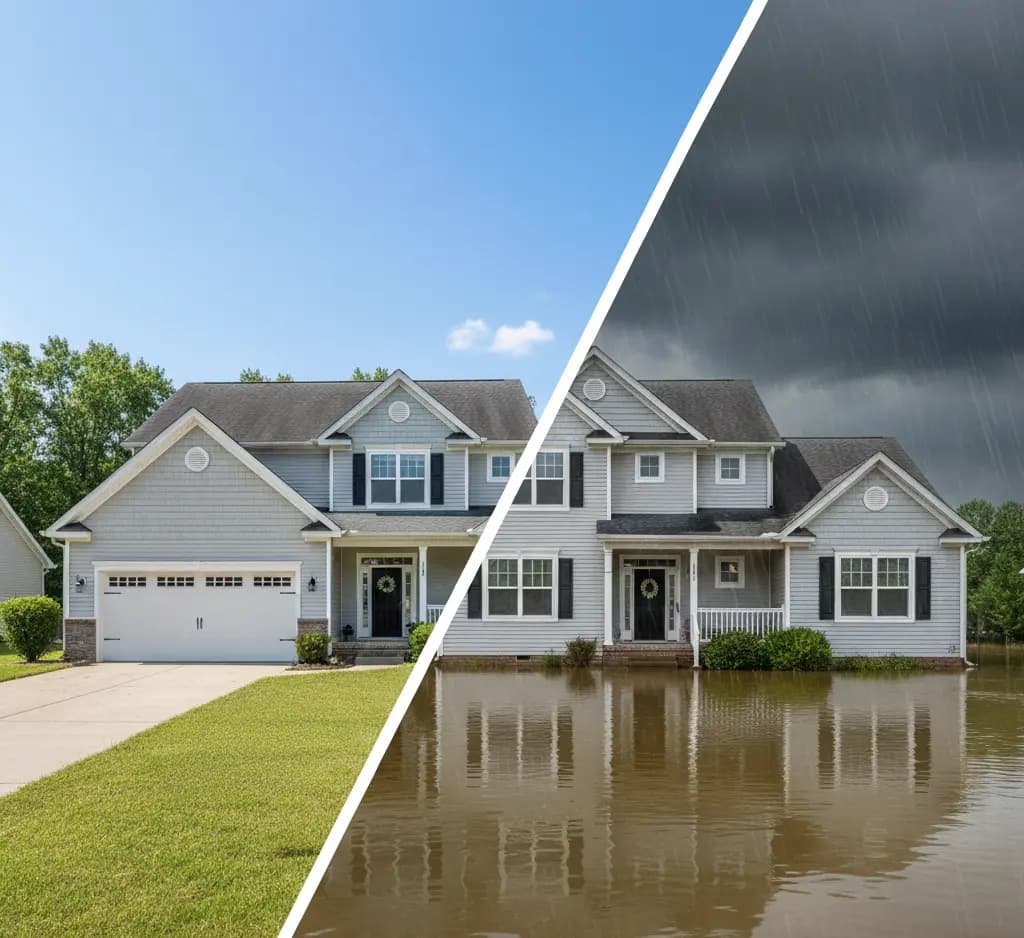
Insurance is essential to safeguard your house or business from the financial loss induced by a flood. Yet, there exists in each policy one pivotal element called the flood insurance deductible, which has the potential to dramatically change the amount of money you will have to pay out of pocket in case of disaster.
The majority of property owners focus on coverage limits and premiums. However, your flood insurance deductible has a substantial impact on your financial risk and premium costs. Understanding how deductibles work is crucial for making an informed decision, whether you're looking into FEMA-backed flood insurance through the National Flood Insurance Program (NFIP) or discussing your options with a private flood provider.
In this article, we'll talk about the differences between NFIP and private flood deductibles. We'll also explain how they impact premiums and provide you with tips on how to choose suitable deductibles for your home and budget.
What Is a Flood Insurance Deductible?
The flood insurance deductible is the amount that a policyholder is responsible for and is incurred by the policyholder before any amounts are paid for a covered loss under the policy. The NFIP has standard deductibles, but policyholders also have the option of taking higher deductibles to reduce their premiums.
Because flood damages can be extensive, the NFIP requires residential deductible amounts ranging from $1,000 to $10,000, depending on the policy and the amount of coverage.
The Two Deductibles You Need to Know:
- Building Deductible: This applies to the damage that happens to your physical property, such as walls, flooring, foundation, etc.
- Contents Deductible: This applies to the damage that happens to your personal items, which are within your home, like electronics, furniture, clothing, and other items of value.
To help illustrate the impact of a flood insurance deductible, let us consider an example. If flood damage to your home is $12,000 and you have a building deductible of $5,000, you'll be responsible for covering $5,000 and your insurance provider will pay out the remaining $7,000. Selecting a flood insurance deductible involves evaluating the resources you have available in case of a flood event and the amount of money you prefer to save on your flood insurance premium.
How the NFIP's Flood Insurance Deductible Works
The NFIP’s flood insurance deductibles are associated with policies issued through the NFIP and follow federal guidelines for deductibles and are standardized. Some of the key points of these policies pertaining to deductibles are:
- Deductible options typically range from $1,000 to $10,000
- You must choose separate deductibles for building and contents
- Higher deductibles result in lower premiums, but will result in more out of pocket when a flood loss occurs.
- Your lender may have specific requirements that limit how high your deductible can be.
How a Private Flood Insurance Deductible Works
Private flood insurance providers typically offer more tailored policy options, including a wider range of flood insurance deductibles. Some of the key points of private flood insurance policies when it comes to deductibles are:
- Flexibility with deductibles, with choices varying from $1,000 to $50,000, or more
- Has the ability to insure basement contents, temporary living expenses, and other optional coverages
- Higher coverage limits
- Ability to customize policies extensively
Homeowners with residences that exceed the NFIP's coverage limits and those located in low-to-moderate risk areas often select private flood insurance providers based on coverage needs and premium savings. An increased flood insurance deductible may mean additional premium savings.
NFIP vs. Private Flood Insurance: Key Differences
Knowing the difference between FEMA flood insurance and private flood insurance when it comes to the policy and deductibles is vital when shopping for coverage.
| Feature | NFIP | Private Flood Insurance |
|---|---|---|
| Deductible Range | $1,000 – $10,000 | $1,000 – over $50,000 |
| Coverage Limits | $250k / $100k (residential) | Often higher coverage limits |
| Effective Date | 30-day wait | 7-10 day wait |
| Policy Customization | Very limited | Highly customizable |
| Premium Impact of Deductibles | Moderate | Significant flexibility |
| Separate Building/ Contents Coverage | Yes | Yes |
How Flood Insurance Deductibles Impact Premiums
Let's have a look at how your decision of flood insurance deductible immediately impacts the price of your policy with a couple of examples:
- A $1,000 deductible could mean an annual premium of $1,200
- A $10,000 deductible would reduce that premium to $850
That's a $350 annual savings, but it also requires you to pay $10,000 out of pocket in the event of a claim. While saving money sounds good, this decision is one that needs to be carefully considered, particularly if you don't have an adequate emergency fund.
Factors to Consider When Choosing a Deductible
Not every deductible is right for every property owner or property. Consider the following before committing to a policy:
- Mortgage requirements: Check with your lender, as some don't permit high deductibles.
- Cash on hand: Can you bear a higher out-of-pocket expense if there is a flood?
- Nature of property (Is it an investment?): Investors might want higher deductibles to keep premiums lower.
- Property value: More valuable homes can qualify for private policies with higher deductibles.
- Policy type available in your area: Is private insurance offered, or are you limited to the NFIP?
Every property is different, and the right flood insurance deductible should reflect your personal risk profile and financial resilience.
Common Mistakes to Avoid
Many property owners make avoidable errors when selecting their deductible. Here’s what you should watch out for:
- Picking the minimum deductible for peace of mind alone: This may equal more premiums than you need to pay.
- Forgetting there are two deductibles: Both the building and contents need individual deductibles, so you must budget for both.
- Assuming that private insurance is always more expensive: That isn't always the case, especially in places with a lower risk level.
- Not paying attention to waiting times: NFIP policies typically have a mandatory 30-day wait before the flood insurance policy becomes active. Private flood insurance providers may issue coverage with a shorter waiting period between 7 to 10 days.
Avoiding these mistakes ensures you're not left underinsured or overpaying for coverage you don’t need.
How Advantage Flood Can Help
It may be difficult to navigate through flood insurance choices, particularly finding the most suitable flood insurance policy and deductibles. That's where Advantage Flood comes in. We guide landlords,investors in property, and homeowners in making the best flood coverage decisions. Here’s what we offer:
- Side-by-side comparisons of NFIP and private flood insurance.
- Tailored quotes that match your budget, deductible preference, and risk profile.
- Expert guidance to help you find the best policy, deductibles, and coverage levels.
- Help that ensures you’re not underinsured or overpaying for unnecessary protection.
Our experts take the guesswork out of selecting the right policy and deductibles.
FAQs
1). Can I have varying deductibles for building and contents?
2). Can I change my deductible after buying a policy?
3). If my flood damage is less than my deductible, what do I do?
4). Is a flood insurance deductible tax-deductible?
5). Are higher deductibles always better?
Conclusion
When it comes to flood insurance, your deductible is a decision that affects both your premiums and financial exposure following a flood event. You can choose a FEMA-backed NFIP policy with conventional conditions or private flood coverage with greater limits. The most important thing is to choose the flood insurance policy that is suitable for your property, your risk profile, and your budget.
A low deductible gives you peace of mind, but it costs more. A higher deductible, on the other hand, is usually better for your finances, as long as you're ready to pay the upfront cost you’ll incur following flood damage. The right balance depends on factors like your flood risk, property type, mortgage requirements, and available funds.
At Advantage Flood, we simplify the process by helping you analyze your alternatives, compare NFIP to private flood products, and choose deductibles that fit your needs now and in the future.
Receive your personalized flood insurance quote today or speak with an expert from Advantage Flood.