
Flood Map High Risk Zones: How to Read a Flood Map for Insurance
Learn how to read a flood map to identify high-risk areas. Explore US flood map details and understand flood zones for insurance planning and safety.
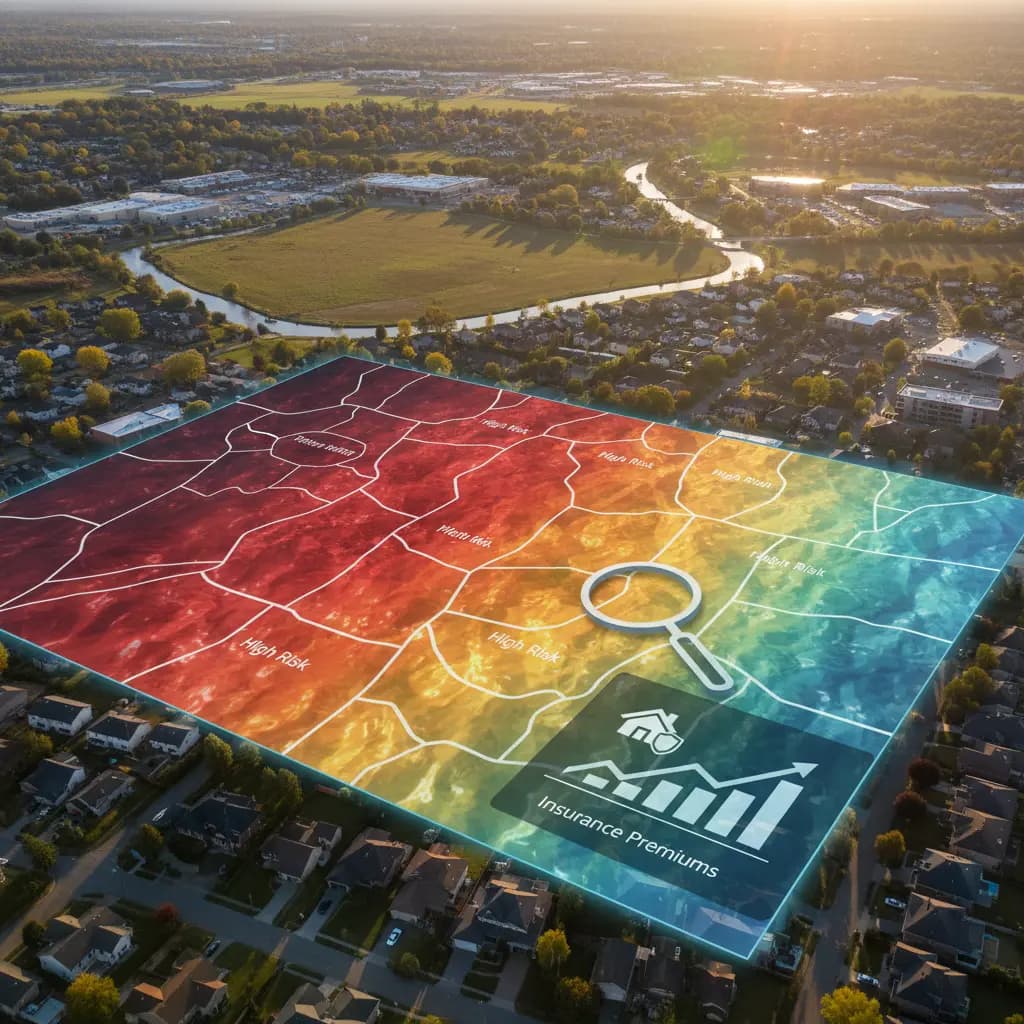
Flood risks have escalated in recent decades, and understanding them requires more than intuition; it demands proper tools. One of the most accessible and powerful tools available to homeowners, renters, andbusiness owners is the flood map for their area. These maps show flood-prone areas and define high-risk zones. As extreme weather intensifies and flood risks shift, knowing how to read a flood map could save your property and your finances.
Introduction
A flood map is a detailed visual that shows flood risks in specific areas. These maps highlight zones that are both high-risk or moderate to low-risk, making them essential for anyone buying or owning property. Reading a flood map helps you understand potential flood risks and assess whether to carry flood insurance. In short, mastering the flood map gives you deeper insight into risk and preparedness.
What Is a Flood Map?
Put simply, a flood map illustrates the flood threat levels tied to particular geographic regions. FEMA, through the National Flood Insurance Program (NFIP), publishes official flood map data and Digital Flood Insurance Rate Maps (DFIRMs). These maps define flood zones, from high-risk zones like Zone AE or VE to lesser-risk areas like Zone X, and include crucial information such as the base flood elevation (BFE). In addition, preliminary maps and localized GIS systems may offer early insights into changing flood risk.
While DFIRMs are FEMA's standard, local governments sometimes produce flood map alternatives or supplements with more granular data. Working with these multiple sources ensures you get a comprehensive view of flood risk before buying a property or making construction decisions.
Understanding Flood Zones and Risk Levels
FEMA flood maps classify zones to communicate flood frequency and severity:
- High-risk zones:Zone A, AE, AH, or V/VE. These areas have a 1% annual chance of flooding in any given year, with V/VE related to coastal areas subject to wave action.
- Moderate-to-low-risk zones Zone B, C, or X (shaded or unshaded), where flood threats exist but are less likely than the high-risk zones.
- Undetermined risk (Zone D)Areas where flood patterns and elevation data are incomplete, leaving risk undefined.
A key feature on flood maps is the Base Flood Elevation (BFE), which indicates the height floodwaters could reach during that 1% annual chance of flooding in a given year. BFEs guide compliant construction in communities that participate in the NFIP. For example, if BFE is 10 feet, property owners would be required to build the lowest floor of their structure at or above that level. Understanding flood zones and BFEs on a flood map is necessary for evaluating flood risk and insurance needs.
How to Read a Flood Map
Here’s a step-by-step walkthrough of interpreting a US flood map:
- Locate your property:Use FEMA’s Map Service Center(FEMA Flood Map Service Center | Search By Address) to enter your address and zoom to your property.
- Identify flood zones:Look for letters like A, AE, VE, or X; these immediately tell you about flood risk levels.
- Check contours and BFEsElevation lines show anticipated flood depths in high-risk zones, while BFEs establish planning references.
- Look for floodways:Narrow strips marked as floodways indicate where fast-moving water flows, often requiring stricter construction rules.
- Compare multiple maps:Use localized GIS-based flood map tools to confirm flood zones and any changes in building compliance.
The symbols, shading, and contours are not decorative; they guide everything from building compliance, mitigation actions and insurance pricing.
Flood Map High Risk Zones: What You Must Know
If your property lands in Zone A, AE, or V/VE, you’re within a high-risk flood zones, called Special Flood Hazard Areas (SFHAs). Properties in these zones, with federally regulated mortgages, will be mandated to purchase and maintain flood insurance. Flood insurance premiums are based on the level of flood risk and individual building characteristics, and without flood insurance, you could face disaster-level expenses after flood damage. With the right flood insurance coverage, you can be prepared and feel financially secure.
FEMA Flood Maps vs Localized Flood Maps
It’s common to find both FEMA flood map references and local map systems that support flood planning. FEMA DFIRMs cover large areas, using consistent flood modeling standards. However, state or county-led flood map initiatives may have more precise elevation data, reflect recent storm events, or development changes.
For insurance purposes, the FEMA flood map zone applies; however, maintaining up-to-date information on both local, state and federal maps could help you make future-proof property decisions.
How Flood Maps Affect Flood Insurance
When buying or refinancing a property in a high-risk flood zone, flood insurance becomes mandatory as part of your mortgage loan. Lenders closely monitor flood map zones to ensure compliance. The NFIP premiums use FEMA flood map data alongside risk models and other individual risk characteristics. Private flood insurers may use the same flood map data but may also use other risk factors like elevation, age of property, and flood defenses to determine price.
Reading your flood map allows you to compare NFIP and private flood policies, investigate elevation-based premium reductions, and understand how flood zones affect your insurance premium.
How to Stay Updated on Flood Zone Changes
Flood maps may, and do, change. Rising sea levels, urbanization, historical storm events, and revised rainfall models are common causes of map changes. FEMA distributes updates regularly, sometimes in response to community requests or changes in development. You can also file a Letter of Map Amendment (LOMA) or Revision (LOMR) if you believe your property is incorrectly designated, such as being artificially elevated above the Base Flood Elevation (BFE). These documents can result in map changes and potentially lower insurance premiums but require surveys and engineering input.
FAQs
1). How can I tell if I live in a flood zone that is high risk?
2). Is it possible to get flood insurance if I'm not in a flood zone?
3). Who keeps the FEMA flood maps up to date?
4). Do flood zones change over time?
5). Are flood maps only available from FEMA?
6). How can I tell if my house is in a flood zone?
7). Is it possible for my flood zone classification to change over time?
8). If I live outside of a high-risk flood zone, do I still need flood insurance?
9). What should I do if I disagree with the flood zone classification of my property?
Conclusion
Understanding a flood map isn’t just about choosing coverage; it’s about being proactive and informed. High-risk areas typically require flood insurance and affect building codes. Moderate to low-risk areas may not require flood insurance but just 1 inch of water can cause $25,000 in damages. You can avoid financial surprises and make sure your home or business is protected by staying aware of changing flood risks and by having a flood insurance policy.
To find out what your flood zone is and receive personalized flood insurance quotes, refer to maps, explore your insurance options, and visit Advantage Flood. Stay ahead of flood risks and stay protected.