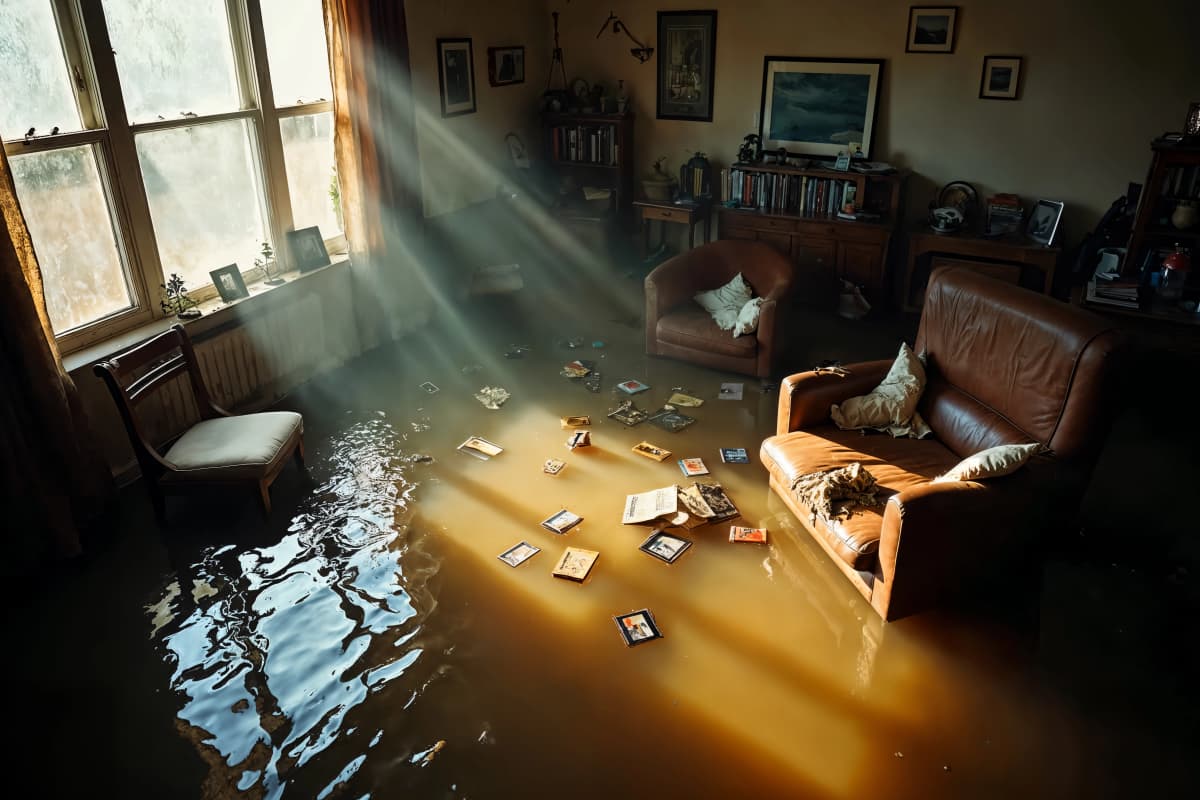
Rental Flood Insurance: How Flood Insurance for Rental Property Works
Learn how flood insurance rental property works and why rental flood insurance is essential to protect tenants and landlords from unexpected flood damage.

Introduction
Flooding is the most common and costly natural disaster in the United States, generating billions of dollars in property damage each year. However, many landlords, real estate investors, and property managers ignore an important part of preserving their investments: flood insurance rental property coverage. While most property owners recognize the importance of homeowners' or landlords' property insurance, far fewer understand that these policies typically never cover flood damage. This gap in protection can result in significant financial losses, legal issues, and dissatisfied renters.
In this guide, we'll go over everything you should know about flood insurance for rental properties. You'll learn about flood insurance for rental properties, why it's important, what it covers (and doesn't), who needs it, how to buy it, and how to avoid typical pitfalls. We'll also discuss a real-life case study and how Advantage Flood can help you get the necessary coverage for your rental properties. By the conclusion of this guide, you should be able to make informed decisions and protect your investments from the increasing risk of flooding.
What is Flood Insurance for a Rental Property?
Flood insurance for a rental property is a policy designed to protect landlords and property owners from financial losses caused by flooding. Unlike standard homeowners’ insurance, which covers a wide range of hazards but typically excludes flood damage, flood insurance for rental properties addresses the risks associated with rising water, storm surges, and flash floods.
There are two main sources for flood insurance for rental properties: the National Flood Insurance Program (NFIP), managed by FEMA, and private flood insurance providers. The NFIP offers standardized coverage and is widely accepted by mortgage lenders, but it has coverage limits and certain exclusions. Private insurers may offer higher limits, broader coverage, and different coverage options.
It's critical to understand what constitutes a "rental property" in insurance terms. In general, flood insurance for rental properties can cover any residential or non-residential (commercial property) building leased to tenants, whether it is a single-family home, multi-unit structure, or short-term rental. The key is that the property is not owned and occupied as a primary residence.
Why Rental Properties Need Flood Insurance
The need for flood insurance for rental properties is greater than ever. Natural disasters are increasing in frequency and severity, and FEMA flood zone classifications show that millions of properties are at risk, even those outside high-risk areas. Many landlords mistakenly believe that their standard insurance or the property’s location in a “low-risk” zone means they’re safe. Unfortunately, over 40% of flood claims come from properties outside designated high-risk zones.
The cost of flood damage can be staggering. Just one inch of water can cause more than $25,000 in damage to a property. For landlords, this means not only repair costs but also lost rental income, legal liabilities, and potential disputes with tenants. The cost of flood insurance for rental properties is often a fraction of the potential losses, making it a smart investment.
Landlords also face legal and financial liabilities if they fail to maintain habitable living conditions after a flood. Tenants may expect repairs to be made quickly, and lease agreements may require the landlord to restore the property in a timely manner. Without flood insurance, landlords may be forced to pay out of pocket or face lawsuits.
Coverage Explained: What’s Included and What’s Not
Flood insurance for rental properties is designed to cover the structure of the building and, in some cases, its contents. Building coverage typically includes the foundation, walls, electrical and plumbing systems, HVAC, water heaters, and built-in appliances and cabinets. For landlords who furnish their rentals, contents coverage can protect items like furniture, appliances, and electronics.
However, there are important exclusions to be aware of. Most flood insurance policies do not cover basement contents, landscaping, outdoor structures, or vehicles. Policy limits may apply, and there is usually a 30-day waiting period before coverage takes effect. Understanding these details is crucial to avoid surprises when filing a claim.
The National Flood Insurance Program sets policy limitations for flood insurance at $250,000 for the building and $100,000 for contents for single-family and 2 to 4 family rental buildings; and $500,000 for the building and $100,000 for contents for all other residential rental buildings (such as apartment buildings with 5 or more units). Private insurers may provide larger limits and more options, such as loss of rental revenue or coverage for detached structures.
Who Needs Flood Insurance for Rental Properties?
Flood insurance for rental properties is required for a wide range of property owners. Landlords who rent out a single-family house are just as susceptible to flood damage as owners of huge apartment complexes. Multi-family property owners, such as those with duplexes, triplexes, or apartment buildings, face even greater risks due to the number of tenants and the complexity of maintenance.
Commercial property owners who lease space to businesses should also consider flood insurance on these rental properties, as commercial contracts frequently require the landlord to maintain the premises. Short-term rental operators, such as those who use Airbnb or Vrbo, should not neglect the importance of flood insurance for their rental properties. Even if the property is only rented sporadically, a single flood can result in huge losses.
How to Buy Flood Insurance for a Rental Property
Purchasing flood insurance for rental property starts with understanding the options available to you. NFIP is the most common source for flood insurance, offering standardized policies that meet lender requirements. However, service providers like Advantage Flood can provide tailored solutions with higher limits, broader coverage, and other optional coverages from private insurers.
The first step is to check your property’s flood zone designation. You can do this by visiting the FEMA Flood Map Service Center (FEMA Flood Map Service Center | Search By Address) and enter your property address. Properties in high-risk zones may be required by lenders to carry flood insurance, but even those in moderate- or low-risk zones should consider it.
Cost factors for flood insurance for a rental property include the property’s location, elevation, construction type, number of units, replacement cost value and coverage limits. Working with an experienced agent can help you compare options and find the best policy for your needs.
Cost of Flood Insurance for Rental Properties
Understanding your options is the first step toward buying flood insurance for rental properties. The NFIP is the most popular provider, offering standardized policies that meet lender requirements. Advantage Flood can also provide customized solutions that include higher limits, broader coverage, and optional coverages from private carriers..
The first step is to determine your property's flood zone. You can do this by visiting the FEMA Flood Map Service Center and entering your property address. Lenders may require properties in high-risk zones to get flood insurance, but those in moderate- to low-risk zones should also consider it.
There are ways to reduce the cost of flood insurance. Elevating the property, installing flood vents, and choosing higher deductibles can all lower premiums. Some insurers offer discounts for homes that have flood prevention measures in place.
Can Tenants Buy Flood Insurance Too?
While flood insurance on rental properties protects the building and, in some cases, the landlord’s contents, it does not cover tenants’ personal belongings. Tenants can (and should) purchase their own rental flood insurance, also known as contents-only flood insurance. This policy covers personal property such as furniture, electronics, clothing, and valuables.
It is critical for tenants to understand whether their property is covered by flood insurance and what their responsibilities are in the case of a flood. Landlords should tell their renters about the availability of rental flood insurance for their personal property and encourage them to obtain it, particularly in flood-prone areas. Clear communication can help to avoid misunderstandings and disagreements following a disaster.
Mistakes to Avoid When Buying Flood Insurance for Rentals
Many landlords make costly mistakes with flood insurance for rental properties. One of the most typical mistakes is waiting until a storm is expected or a flood has occurred. Most flood insurance includes a 30-day waiting period, so it's critical to get coverage in advance.
Another mistake is assuming that standard landlord property or homeowners insurance covers flood damage. In reality, these policies almost always exclude flood losses, leaving landlords exposed. Underinsuring the property or misunderstanding policy exclusions can also lead to significant financial losses.
To avoid these pitfalls, landlords should work with experienced agents, review policy documents carefully, and reassess their coverage needs annually.
Case Study: The Cost of Overlooking Flood Insurance for Rental Properties
Consider the story of Mark, a Houston landlord with a four-unit rental property. Hurricane Harvey swamped the property with three feet of water. Mark had regular landlord property insurance, but no flood insurance for his rental property. The end result was about $120,000 in insurance losses, months of lost rental income, and court disputes with tenants over habitability.
In contrast, his neighbor Sarah had purchased flood insurance for her rental property duplex. Her policy covered the cost of repairs, and she was able to restore the property and welcome tenants back within weeks. The difference was not just financial; it was peace of mind and the ability to recover quickly as well.
How Advantage Flood Can Help
At Advantage Flood, we specialize in flood insurance rental property solutions tailored to landlords, investors, and property managers. Our team understands the unique risks and requirements of rental properties and can provide personalized quotes that fit your needs and budget.
Our experience with rental property-specific policies means we can help you navigate complex situations, from multi-family units to short-term rentals. Personal consultations are available to answer your questions and guide you through the process.
Ready to protect your investment? Get a free flood insurance quote from Advantage Flood or contact our team of experienced flood insurance experts for advice.
FAQs
1). Is flood insurance mandatory for rental properties?
2). How long is the waiting period?
3). Is there a deductible?
4). Is flood insurance tax-deductible for landlords?
5). Can tenants buy flood insurance?
6). Does flood insurance cover loss of rental income?
7). What does flood insurance not cover?
8). How do I check my property’s flood risk?
Conclusion
Flooding is a growing reality for property owners across the country. Whether you own a single rental home or manage a portfolio of multi-unit buildings, flood insurance for rental properties is no longer optional, but essential.
The financial risks of going without coverage are steep: damage to the structure, lost rental income, potential lawsuits, and long-term vacancies. And with many floods striking outside of traditional high-risk zones, relying on location alone is a dangerous gamble.
At Advantage Flood, we help landlords and property investors like you take the guesswork out of flood protection. From tailored coverage options to expert advice on policy limits, deductibles, and risk mitigation, we ensure your investment is prepared, no matter what the forecast says.
Protect Your Property Before It’s Too Late – Get a Free Flood Insurance Quote
Talk to a Flood Insurance Expert for Rental Coverage