Seasonal Floods and Flooding Events: Which U.S. Regions Face the Highest Risk?
A government shutdown doesn’t have to stop your flood coverage. Learn how Advantage Flood ensures seamless protection and peace of mind when NFIP halts operations.
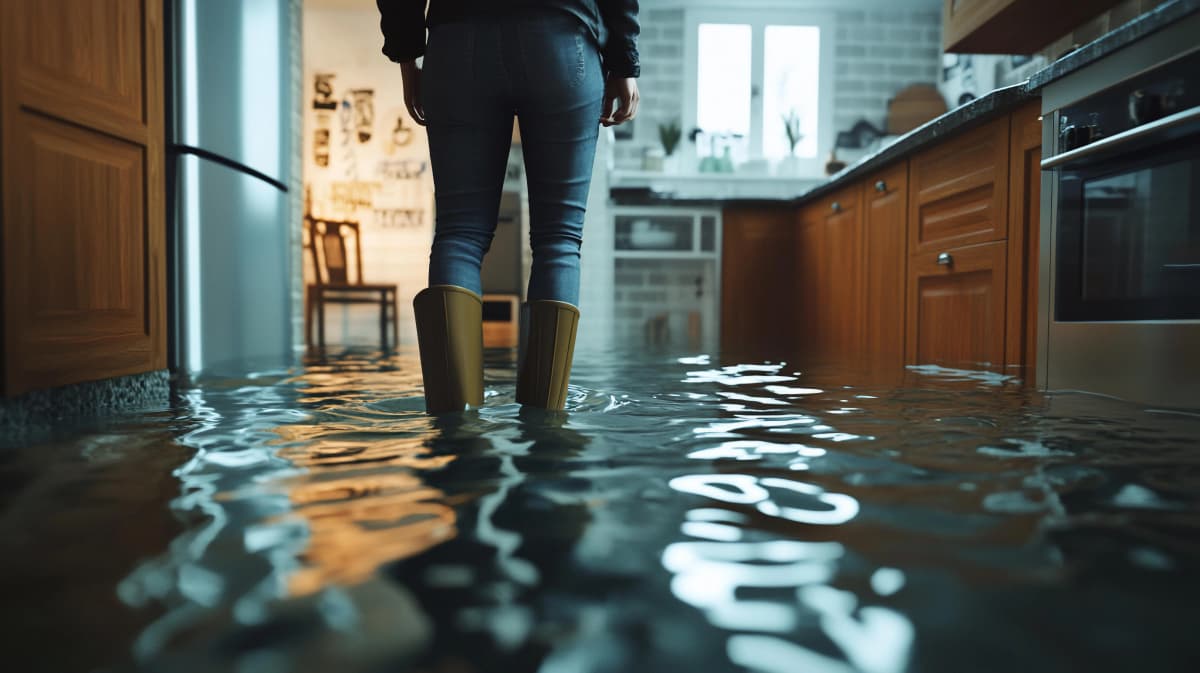
Floods that occur every year are becoming more frequent, resulting in greater damage and increased costs across the US. From the melting snow in the Midwest in the spring to the floods caused by hurricanes along the Gulf Coast, it's more important than ever to know where and when these natural disasters happen. Floods not only destroy things, but they can also destabilize people’s finances and disrupt small businesses for an extended period.
Whether you live in a traditionally flood-prone area or a region with moderate risk, being prepared is crucial. The purpose of this blog is to discuss the causes of seasonal floods, which regions face the highest risk, and why flood insurance obtained through a team of experts, such as the one we've put together at Advantage Flood, is an essential part of protecting your residential property or commercial property.
What Are Seasonal Floods and Flooding Events?
Seasonal floods are recurrent flooding incidents that occur at particular times of the year and are caused by natural environmental cycles and predictable weather patterns. While they can be just as destructive, seasonal floods typically develop gradually, in contrast to flash floods, which occur with little to no warning.
Usually, seasonal floods are caused by:
- Rainfall and spring thaw: In areas such as the Midwest and Northeast, snow melts just before spring rains arrive, causing drainage systems and rivers to overflow.
- Hurricanes and tropical storms: Late summer and early fall storms bring heavy rainfall to the Gulf Coast and the Southeast U.S., filling rivers and coastal regions to overflowing.
- Melting snow and atmospheric rivers: In the Pacific Northwest, long, narrow bands of moisture known as atmospheric rivers combine with melting snow from higher elevations to create hazardous flood conditions.
While seasonal floods give people more time to prepare than sudden cloudbursts or flash floods, they can still disrupt communities for weeks, affect large areas, and cause long-lasting damage to homes, infrastructure, and farmland.
Top U.S. Regions at Risk for Seasonal Flooding
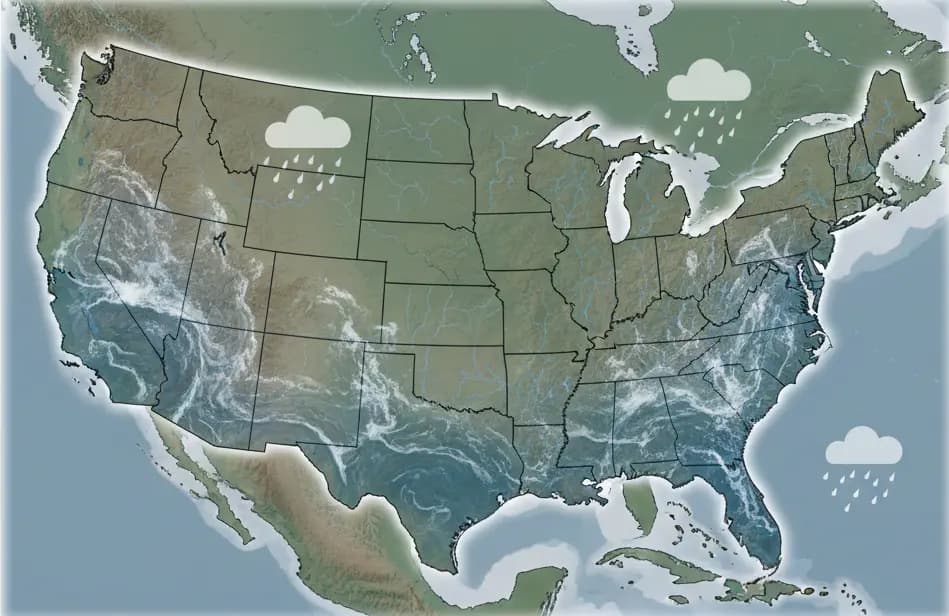
Because the U.S. has a diverse range of geography, different parts of the country are at risk of seasonal flooding from various sources. Let's examine the areas that are most likely to experience repeated flooding.
1. Gulf Coast: Texas, Louisiana, and Florida
Hurricanes and tropical storms cause some of the worst flooding on the Gulf Coast. Texas has experienced an increase in flooding, particularly in Houston, which has witnessed multiple 100-year floods over the past decade. Due to their frequent exposure to storm surges and rising sea levels, Florida and Louisiana are also particularly vulnerable to seasonal flooding.
2. Midwest: Illinois, Missouri, and the Ohio River Valley
Seasonal flooding in the Midwest is mainly caused by heavy rainfall and springtime snowmelt. Both big cities and small towns are at risk from the frequent overflow of rivers like the Mississippi and Missouri. Significant flooding occurred in Illinois in 2024, causing
3. Northeast: Pennsylvania, New Jersey, and New York
The Northeast is more susceptible to flood damage to numerous homes and farms. This suggests that seasonal floods can impact areas far from the coast. Flooding due to its aging infrastructure and the fact that riverbanks in the region are densely populated. The Delaware and Susquehanna rivers get bigger when snow melts in the Appalachian Mountains and it rains in the spring. New Jersey has experienced numerous seasonal floods in recent years, particularly following nor'easters and late-winter storms.
4. Pacific Northwest: Washington and Oregon
People usually think of the Pacific Northwest as having a lot of greenery, but it floods frequently in the spring and summer due to melting snow and prolonged periods of rain. In late spring, rivers such as the Columbia and Willamette often experience flooding. Climate change has altered how snow melts, leading to more frequent and unpredictable floods.
What Makes Certain Areas More Vulnerable?
Not all regions experience flooding events equally. Some factors increase the risk of seasonal floods:
- Low elevation and poor drainage: Flooding is more likely to happen in coastal regions or along riverbanks. Water can accumulate more easily during seasonal events when the ground is saturated.
- Aging infrastructure: Old levees and outdated storm drains make it more challenging for communities to manage large volumes of water. This is especially true in older Northeastern cities and rural areas in the Midwest.
- Urbanization and impermeable surfaces: Concrete and asphalt stop water from soaking into the ground. As cities grow, the risk of seasonal flooding increases because there is insufficient drainage, allowing more water to flow over the surface.
- Climate change: As the world warms, weather patterns intensify, leading to stronger hurricanes, less predictable rainfall cycles, and heavier snowpacks. All of these factors contribute to floods occurring more frequently and with greater intensity.
Flood Insurance and Preparedness
A regular homeowner's policy doesn't cover flood damage. This is why flood insurance is crucial for protecting your financial assets. Having the right coverage makes sure you can get back on your feet quickly, whether the damage is caused by rising rivers, storm surges, excessive rainfall, or melting snow.
Essential tips for getting ready:
- Check your FEMA flood zone designation regularly to ensure it is accurate.
- Get an Elevation Certificate, which can help to lower your premiums.
- If your community is a part of the Community Rating System (CRS), you can get discounts.
- Before seasonal floods hit, create an emergency kit and an evacuation plan.
You can get a free flood insurance quote from Advantage Flood today. This will help you stay ahead of seasonal flooding events.
How to Check If You’re in an SFHA Flood Zone
Fortunately, FEMA provides tools that make it easy for homeowners to check their SFHA flood zone status. Visit the FEMA Flood Map Service Center (FEMA Flood Map Service Center | Search By Address) and enter your full address. The online map that appears overlays flood zone information on top of property maps, clearly marking whether you're in Zone AE, VE, or a moderate-risk area like Zone X. You can also download a PDF of the official Flood Insurance Rate Map (FIRM) for record-keeping.
If you’d rather have a physical copy or expert assistance, local floodplain managers or municipal offices in your region can also verify your flood zone. These authorities can provide insight into possible map updates that haven’t been digitally published yet. Having a firm understanding of your SFHA flood zone status gives you leverage when discussing insurance needs with experts and mortgage providers.
What to Do If You’re in an SFHA Flood Zone
Discovering that your property is in an SFHA flood zone might be terrifying, but it is a necessary step toward protecting yourself. First, call an insurance agent, or connect with us at Advantage Flood, to review your flood insurance options. Policies can be purchased through the NFIP or private insurers, and comparing the two can yield better financial and coverage results.
Next, act quickly: there’s typically a 30-day waiting period before flood insurance coverage becomes effective. Ordering an Elevation Certificate may help you reduce your premiums by verifying how far above the adjacent grade that your home is situated. The higher the home is above the adjacent grade can significantly reduce your annual flood insurance costs in high-risk areas. Document your property with photos and keep receipts for significant improvements, as these will be helpful during the claims process.
Lastly, stay informed. FEMA periodically updates flood maps, which can result in your property being shifted in or out of an SFHA flood zone. Pay attention to local floodplain proposals and consider working with professionals to challenge outdated or inaccurate zone designations if you believe your home’s elevation warrants reclassification.
Can You Challenge an SFHA Designation?
Yes, property owners can challenge an SFHA flood zone designation through a process known as a Letter of Map Amendment (LOMA) or a Letter of Map Revision (LOMR). If your structure is built above the Base Flood Elevation (BFE) or if the flood map is outdated, you can apply for a LOMA, which certifies that your structure no longer sits in the SFHA. LOMRs work similarly, but they apply to community-wide changes rather than single properties.
To succeed, you’ll generally need a surveyor’s statement or Elevation Certificate that confirms your structure’s elevation relative to flood levels. Although this process involves paperwork and a small fee, it can reduce or eliminate your flood insurance requirements and significantly lower your premiums if approved.
Private Flood Insurance vs NFIP for SFHA Zones
It's time to get coverage when you know you're in an SFHA flood zone. The NFIP offers government-backed flood insurance with set coverage limits. That's a good starting point for most property owners. On the other hand, private flood insurance policies let you choose your coverage, usually have higher limits, and let you file claims more quickly.
NFIP coverage is limited (for example, $250,000 for the single and 2-4 family buildings and $100,000 for the contents). Still, private options may offer more comprehensive benefits, such as protection for secondary structures or compensation for loss of use. Depending on the features of your property and any changes you make, such as raising it, premiums may also become more competitive in your area. When you compare NFIP to private flood insurance, think about the provider's limits, what they cover, how much they charge for premiums, and their claims history.
FAQs
1). What causes seasonal flooding in the U.S.?
2). Are seasonal floods different from flash floods?
3). What months are most likely to flood in the U.S.?
4). Which states have the highest chance of flooding?
5). Should I get flood insurance even if I don't live in a high-risk area?
6). How often does FEMA change its flood maps?
7). Can small businesses purchase flood insurance?
8). Does standard insurance cover seasonal flooding?
9). How do I reduce flood insurance premiums?
10). Where can I compare flood insurance quotes quickly?
Conclusion
In the U.S., flooding is becoming an ever-more common threat. Whether you live in the Midwest, along the Gulf Coast, or even in areas that were once considered low-risk, the danger of seasonal floods is real and only getting worse. Being prepared and informed is crucial. Whether you live in the Midwest, along the Gulf Coast, or even in areas that were once considered low-risk, the threat of seasonal floods is real and only getting worse.
Get flood insurance now, before the waters rise. Go to Advantage Flood for professional advice, quotes that are easy to compare, and tools that will help you figure out how likely it is that your area will flood.
Stay up to date, and stay safe.