What Is a Coastal Flood? Understanding Warnings and the Importance of Flood Insurance
What is a coastal flood and what is a coastal flood warning? Learn how coastal flooding occurs, warning signs, and why coastal flood insurance is essential.
Introduction
Coastal areas around the globe are seeing increasingly unpredictable flooding episodes, and understanding what a coastal flood is more important than ever. A coastal flood occurs when ocean water pushes inland, flooding low-lying coastal regions. Whether triggered by powerful storms, high tides, or sea-level rise, these events can cause sudden and severe damage. The urgency of comprehending what a coastal flood is stems from rising sea levels, intensifying storms, and rapidly growing coastal populations.
Coupled with this threat is the concept of a coastal flood warning, which is a formal alert indicating that flooding is imminent. For homeowners, renters, and property investors living near shorelines, knowing these definitions and reacting quickly can make a critical difference. A significant part of the preparation involves securing flood insurance, which many standard policies exclude. Flood insurance is a safeguard that protects your property and investment against flood losses. This article walks you through the definition of coastal flood, explains warnings, and emphasizes why flood insurance is such a vital resource.
What Is a Coastal Flood?
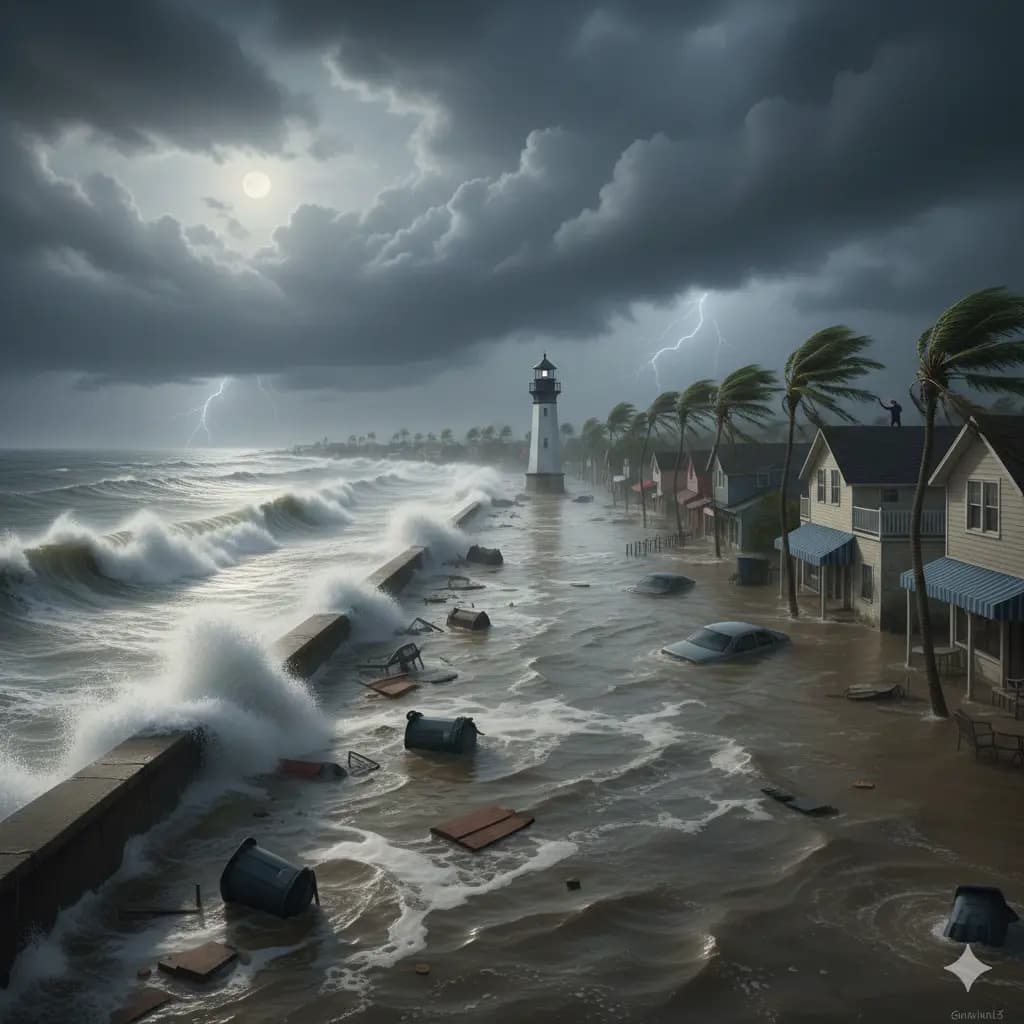
So, what is a coastal flood? It occurs when ocean or sea water moves inland onto usually dry ground. This typically happens due to storm surge, which is a wall of water driven by wind and low pressure during events like hurricanes or tropical storms, or from unusually high tides, often called king tides. Coastal floods differ from river or flash floods, as they involve seawater invading land, sometimes rapidly and with considerable force.
When thinking “what is a coastal flood,” note these key causes:
- Storm surge, which often arrives hours before a storm’s landfall, raises water levels significantly and overwhelms coastal defenses.
- High tides or king tides, which may flood shorelines even in the absence of storms, especially in areas experiencing sea-level rise.
- Sea level rise, a long-term threat, slowly elevates baseline ocean levels, making even moderate weather events more destructive.
- Land subsidence and urban development, in which human changes to terrain reduce natural absorption and drainage, intensify flood risk.
These combined factors make a coastal flood both more frequent and more destructive. Realty markets in vulnerable regions are impacted as insurers adjust premiums, and homeowners face increasing risk beyond typical expectations. Recognizing “what is a coastal flood” is a vital stepping stone toward building resilience.
What Is a Coastal Flood Warning?
A coastal flood warning is an official alert issued when coastal flooding from waves, storm surge, or tides is either happening or expected shortly. As part of emergency alert systems, these warnings often precede the arrival of flood waters and are intended to give residents time to act.
Here’s why it matters:
- A warning typically signals that flooding may inundate streets, destroy or damage buildings, and cut off access to vital services.
- If a coastal flood warning is issued, evacuations may be recommended or mandated for low-lying neighborhoods and beachfront areas.
- Residents should relocate valuables to higher floors, unplug electrical devices, and avoid flood-prone roads.
- The alert system is tiered: advisories warn of minor flooding, watches suggest potential risk, and warnings indicate an imminent threat.
Understanding what a coastal flood warning is helps people move from uncertainty to action, enabling them to evacuate before floodwaters rise and protecting lives and property with timely preparedness.
Causes of Coastal Flooding
Understanding the drivers behind coastal flooding helps you grasp how flood patterns are changing and why it’s relevant to you:
- Storm Surges:A powerful, concentrated force of seawater pushed by storms that can surge over coastline barriers, especially around bays and inlets. When a storm surge hits during a high tide, flood levels can rise drastically.
- Tidal Flooding:Known as “nuisance flooding,” high tides (even without storms) can cause streets, homes, and parks to flood in areas with elevated sea levels.
- Climate Change:Long-term sea-level rise increases the baseline for every flooding event. What were once occasional floods now occur annually in many coastal communities.
- Ground Elevation & Development:Coastal areas built on low-lying land, including reclaimed or developed areas, may lack natural buffers. Impermeable surfaces and altered landscapes reduce drainage, exacerbating flooding.
These elements explain why a coastal flood today can be more damaging than similar events in the past. Even moderate weather can trigger unprecedented inland flooding if mixed with rising sea levels or degraded natural defenses.
Why Flood Insurance Is Important
Once you know what a coastal flood is, the next question is how to protect yourself, and that’s where flood insurance comes in.Standard homeowner or renters policies typically exclude coverage for flood damage. That means even small flood events can lead to major out-of-pocket expenses. Flood insurance fills this critical gap, covering:
- Structural repairs to your home
- Damage to personal property/contents
- Optional living expenses if you need to relocate temporarily
Depending on your policy, flood insurance can provide limits up to $250,000 for the building and up to $100,000 for contents. Private insurers may offer policies with higher limits and broader coverage options.
Mortgage lenders often require flood insurance for high-risk coastal properties. However, even if you’re not required to buy it, a flood insurance policy can save you thousands. Just one-inch of water can easily reach tens of thousands of dollars once structural and contents damage are factored in.
Coastal homeowners, renters , and property business owners need to secure coverage before a flood event. Many flood policies include a 30-day waiting period, meaning you won’t be covered immediately if you wait until storm forecasts appear.
How to Get Flood Insurance
Securing flood insurance involves choosing the right provider and coverage for your risk profile:
- First, see if your home is eligible for coverage under the National Flood Insurance Program (NFIP). This federal program is widely accepted and provides standardized policies nationwide. However, policies often carry fixed limits and may exclude certain coverages needed for specific building types.
- Alternatively, explore private flood insurance options. Private flood insurance may offer higher coverage caps, optional coverage for temporary housing or loss of use, or discounts related to mitigation features like elevation or storm shutters.
- Many flood insurance applications require property elevation certification or flood zone information. Having those ready can streamline the process.
- Carefully compare quotes, premiums, deductibles, coverage limits, and policy terms. Ensure your policy covers both structural damage and personal contents, or supplemental coverage where needed.
It’s wise to secure your policy early, because waiting until just before the flood season or after warnings have been issued may leave you vulnerable to waiting periods, leaving you exposed during critical times.
Practical Tips to Protect Your Property
Beyond insurance, there are smart steps you can take to reduce your risk:
- Elevate utilities like HVAC, electrical panels, and water heaters above base flood elevations. This may qualify for insurance discounts.
- Install flood vents or barriers, especially in crawl spaces or lower floors, to allow water to drain more easily and reduce pressure.
- Maintain landscaping such as sloped grade, proper drainage, and permeable surfaces that help absorb water.
- Prepare a flood readiness kit, including copies of your insurance policy, photographs of property, emergency contacts, and supplies in sealed containers.
- Stay alert to coastal flood warnings. Subscribe to local alert systems or weather radios, especially during hurricane seasons or king tide events.
While these precautions don’t replace the need for flood insurance, they help mitigate damage and can lead to premium discounts.
FAQs
1). What is a coastal flood, and how is it different from river flooding?
2). What is a coastal flood warning, and who issues it?
3). How do I know if I live in a high-risk area for coastal flooding?
4). Is flood insurance mandatory?
5). What does flood insurance cover?
6). Can I buy flood insurance if I’ve already experienced flooding?
7). What is a coastal flood, and why should renters care?
Conclusion
Understanding what a coastal flood is is critical for anyone who lives near the ocean. Coastal flooding, whether caused by storm surge, king tides, or sea-level rise, is a serious problem that is only getting worse. Recognizing a coastal flood warning and acting swiftly can save lives and minimize damage.
Since standard homeowner policies don’t cover flood damage, investing in flood insurance is a critical step. It covers the unpredictable and expensive damage often left out of basic coverage. The key is to act before disasters strike. Secure flood insurance early, elevate your property where possible, and stay informed.
Flood insurance is not just another expense. It gives you peace of mind, protects you from rising sea levels, and helps keep your finances secure. Know the risks, plan, and make flood insurance a key part of your coastal safety plan.Advantage Flood makes it easy to get personalized flood insurance tailored to your coastal needs.
Get a fast, free quote today and stay protected before the next flood hits.