
Flooding in Connecticut: Understanding Connecticut River Flooding and Coastal Flood Risks
Learn about flood in CT, CT flood risks, and Connecticut River flooding. Understand how coastal and river floods impact communities across Connecticut.
Introduction
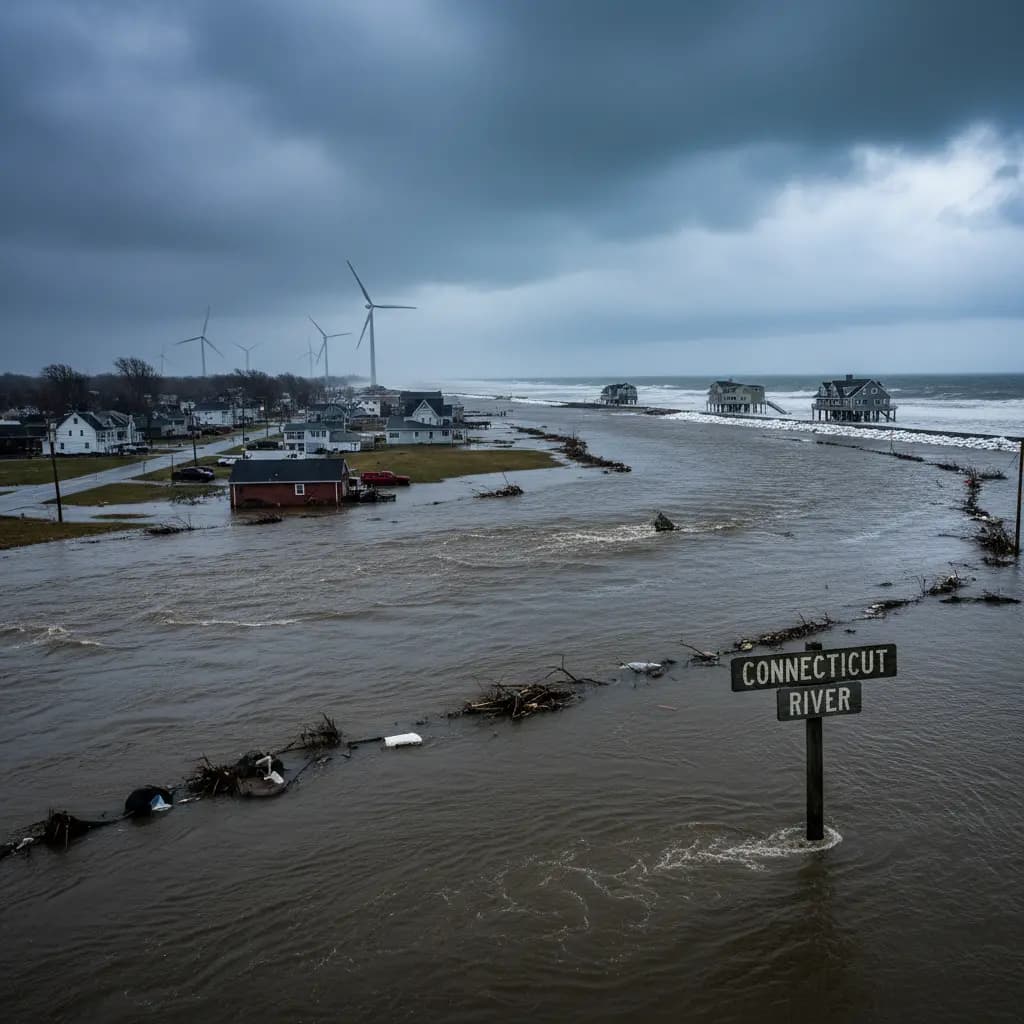
Connecticut has witnessed its share of destructive flood events—from historic river overflows to coastal storm surges. In recent years, storms like Irene and Sandy have overwhelmed coastal cities like New Haven, while intense spring thaws and heavy rains have triggered devastating Connecticut River flooding upriver. Climate shifts are increasing both the frequency and intensity of flood events, making understanding floods in Connecticut more critical than ever.
This guide is designed for Connecticut homeowners, renters, and business owners —anyone who values their property and peace of mind. We’ll explore:
- Why flooding in Connecticut is no longer a distant risk
- The mechanics of both river and coastal flood hazards
- Who’s at risk and why even “moderate to low-risk” areas aren’t safe
- Options for flood insurance, including NFIP and private
- Concrete steps to prepare and protect your property
Whether you’re a homeowner on the coast, a renter near the river, or a business operating inland, this guide equips you with expert insight and empowers you to take action before the next Connecticut flood hits.
Flooding in Connecticut: The Current Reality
With its extensive river systems, including the Connecticut, Housatonic, and Thames, plus nearly 600 miles of coastline along Long Island Sound, Connecticut is uniquely vulnerable. Geography and climate amplify flood risk.
Key facts about flooding in Connecticut:
- Multiple rivers routinely flood during the spring thaw and heavy rainfall
- Coastal towns face storm surge risks from hurricanes and Nor’easters
- Low-lying terrain increases exposure across inland and shoreline towns
Some notable floods that have hit Connecticut in the past are:
- 1936 Connecticut River flood:Among the worst in state history, submerging towns and leading to major infrastructure reforms
- Hurricane Irene (2011) & Superstorm Sandy (2012):Flooded coastal regions and swelled rivers inland
- Recent flash floods (2020, 2024):Heavy rain overwhelmed reservoirs and city drains, showcasing how fast Connecticut flood events can escalate
These examples remind us that flooding in Connecticut is historical and recurring. And as climate patterns become more volatile, so do the floods.
Understanding Connecticut River Flooding
Stretching over 400 miles and flowing through Hartford, Middletown, and other communities, the Connecticut River is New England’s longest river and a major source of flooding in Connecticut. Some of the key drivers of flooding in Connecticut include:
- Spring snowmelt:Melting snow upstream leads to excess flow
- Ice jamsIce blocks water movement, triggering backflows
- Heavy rainfall:Summer storms and Nor’easters dump water faster than rivers can drain
Connecticut has suffered many impactful flooding events
- 1936 Flood:Devastated towns which led to the construction of flood control dams and levees
- 1984 Flood:Rain and snowmelt raised Hartford water levels 15 feet above flood stage
- Recent surges (2018–2022):Caused repeated Connecticut flood alerts in Hartford and Upper Valley towns
Impacts of Flooding in Connecticut
Flooding in Connecticut has both immediate and long-term consequences for residential property and commercial property:
- Property Damage:Homes and businesses suffer water damage, mold growth, and costly repairs.
- Transportation Disruption:Roads, bridges, and public transit often shut down, affecting daily life and emergency response.
- Power & Utility Failures:Outages and sewage overflows are common during flood events.
- Health Risks:Floodwater spreads bacteria, mold, and contaminants, increasing health issues.
- Economic Loss:Repair costs, lost income, and business closures create financial strain.
- Emotional Toll:Repeated flooding causes stress, lowers property values, and disrupts communities.
Coastal Flood Risks: What Connecticut Homeowners Must Know
Storm Surge & Nor’easters
Long Island Sound magnifies coastal water levels. Cities like Stamford, Old Saybrook, and New Haven are particularly vulnerable to storm surges and tidal flooding.
Surge Mechanics
- Storm winds and pressure push ocean water inland
- High tides + storm surge = roads and neighborhoods underwater
- Drainage systems often fail under this pressure
Climate and Sea-Level Rise
With a projected sea-level rise of 1–2 feet, even minor storms may cause major Connecticut flood issues in future decades.
Coastal Areas at Risk
- New Haven & East Haven:Quinnipiac River and harbor zone
- Stamford:East Branch flooding during storms
- Old Saybrook & Mystic:Sound exposure and estuary flooding
No matter how picturesque, coastal towns must take flooding in Connecticut seriously.
Types of Flooding in Connecticut
Floods in Connecticut can occur in several destructive forms:
- Riverine Flooding –Overflowing rivers during melt or rainfall
- Flash Flooding –Fast-moving waters from sudden storms
- Coastal Flooding –High tides plus surge during storms
- Ice-Jam Flooding –River blockage due to thawing ice
- Nor’easter Flooding –Prolonged rain, surge, and wind damage
Every type poses a risk for residential and commercial areas in Connecticut.
Who Is at Risk?
Many believe only coastal or river-adjacent properties are vulnerable. But:
- 40% of NFIP claims come from “moderate to low-risk” zones
- Cities like Bridgeport and Hartford face flood risks due to poor drainage
- Renters, landlords, and small businesses are all susceptible to flooding
Flooding in Connecticut doesn’t discriminate by zip code. Whether it’s a burst riverbank, over topping a levee, or clogged storm drains, water finds a way.
Flood Insurance in Connecticut: What You Need to Know
NFIP vs. Private Insurance
- NFIP:Offers $250K structure + $100K contents coverage
- Risk Rating 2.0 determines prices based on individual property characteristics
- Private insurers(e.g., Advantage Flood): Higher limits, add-on coverage, more options
Who Needs It?
- Mandatory for properties with federally backed mortgages in high-risk flood areas
- Flooding in Connecticutoften occurs outside of high-risk flood zones, making voluntary insurance smart
Costs
- High-risk zones: $700–$1,200+ yearly
- Moderate to low-risk zones: $400–$600/year
- It can cost less than $50/month, providing priceless protection
Get your free flood quote today.
How to Prepare for Flooding in Connecticut
Preparation steps for all residents and business owners:
- Emergency plan:It’s a great idea to develop evacuation routes and practice them with your loved ones.
- Elevate systemsIf possible, raise HVAC, electrical boxes, mechanicals and any other items that may be at lower elevations.
- Install flood vents:It’s a great idea to install flood vents to allow the passage of water, especially in crawl spaces
- Document assets:Take photos, save receipts and secure important records so they are not destroyed by flood waters
Use Trusted Resources
- Connecticut Department of Energy and Environmental Protection: State floodplain guidance
- NOAA & FEMA: Real-time flood and tide updates
- Local alerts: Stay ahead of changing Connecticut flood conditions
Why Buy Flood Insurance Even If You're Not in a High-Risk Zone
Flooding in Connecticut doesn't follow the lines on flood maps. Flash floods and broken infrastructure can submerge properties in moderate to low-risk zones in minutes.
Many policies cost less than a monthly heating bill, yet repair costs without coverage can reach hundreds of thousands of dollars.
A modest premium now saves you what could result in financial devastation later. Don't wait until the next Connecticut flood to wish you'd been more prepared by purchasing flood insurance.
Conclusion
From Connecticut River flooding to storm surges on Long Island Sound, floods in Connecticut are becoming more frequent, intense, and unpredictable.
Key Takeaways:
- Flooding in Connecticut can affect any area, not just waterfronts
- Climate change and infrastructure aging compound the risk
- Insurance and preparedness are your best defenses
- You don’t need to live in a high-risk flood zone to be flooded
Take action now. Review your insurance, prepare your home, and get a personalized flood insurance quote with Advantage Flood.
Because protection starts before the flood.